

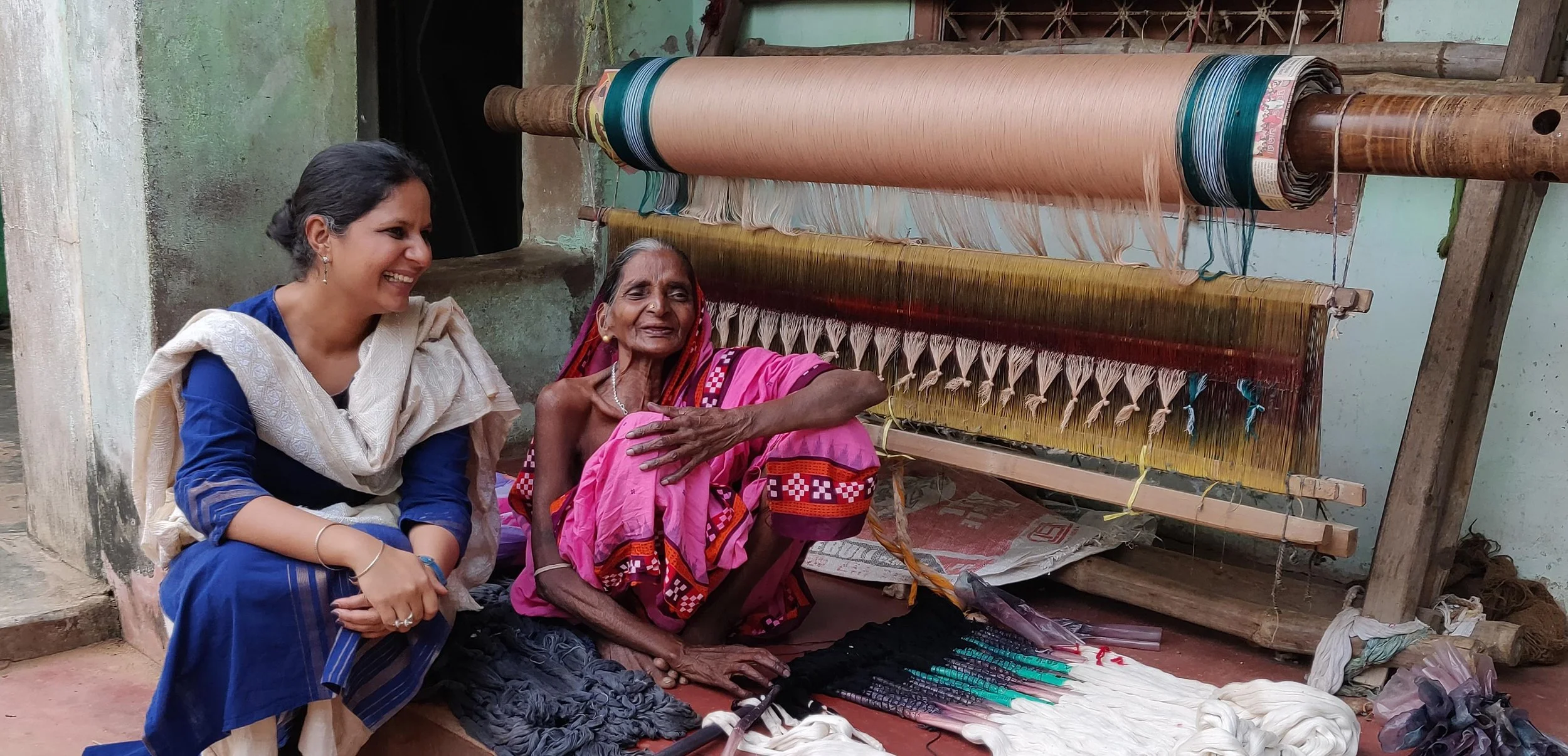
IFAM Artist Stories
Search for all IFAM Artists
Jessika Spencer | Ngurru
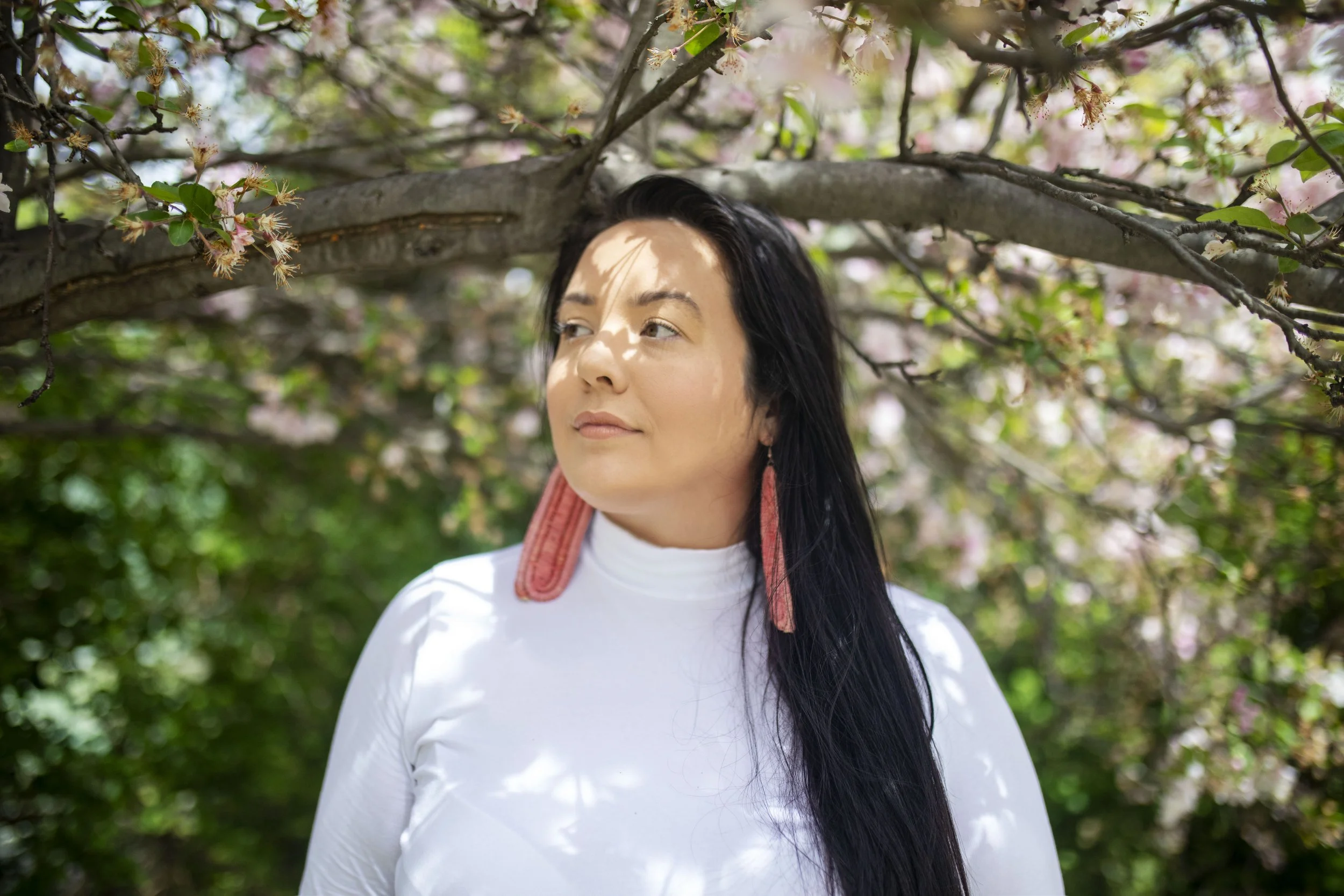
Jessika Spencer is a Wiradjuri fibre artist based in Australia, working under the name Ngurru. Her weaving practice began in childhood and has grown through years of learning with family, Aboriginal women from different communities, cultural exchanges, and workshops. She describes her knowledge as cumulative, shaped by many teachers and always acknowledged as shared rather than owned.
Siju Chamanla Premji
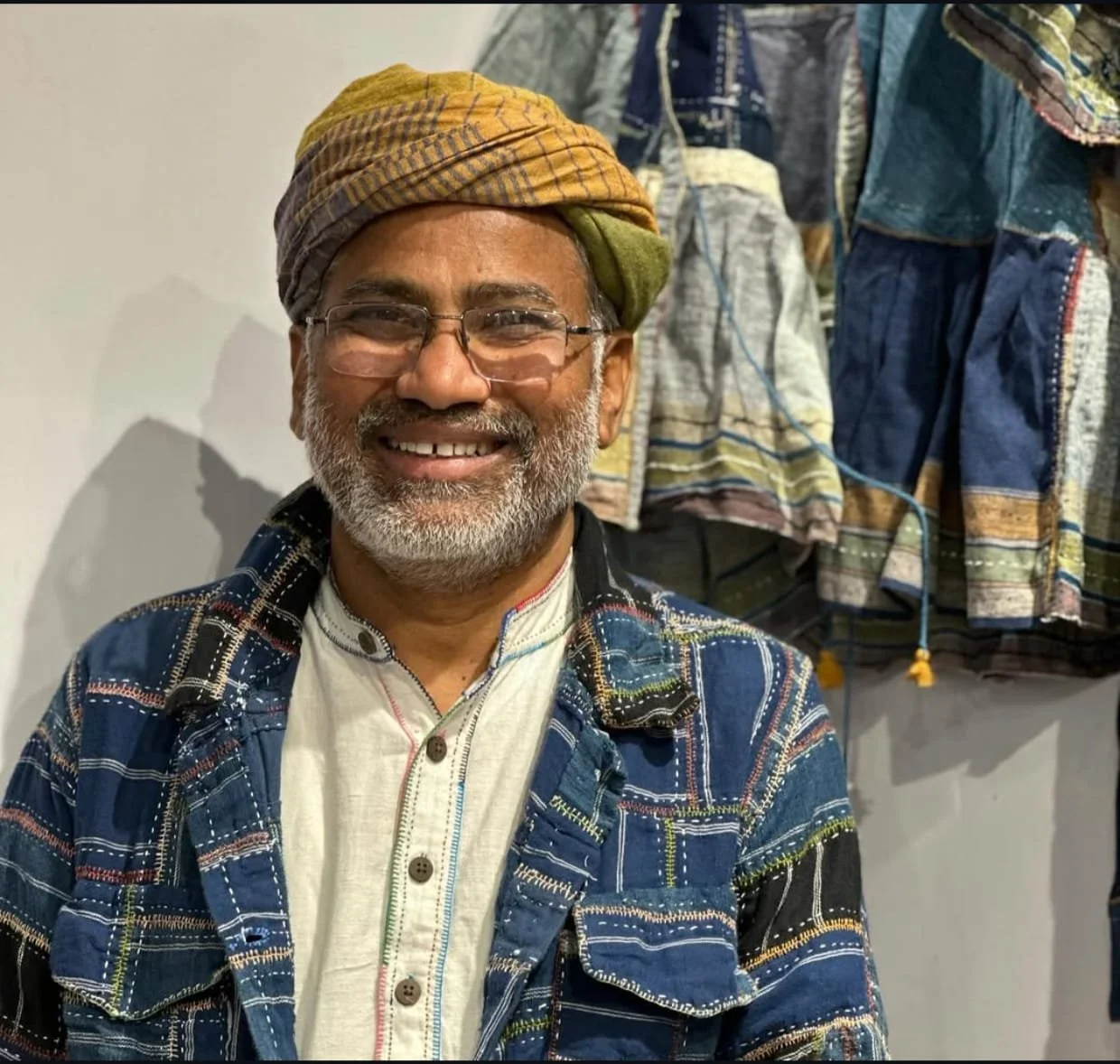
Siju Chaman Premji is a traditional handloom weaver and designer from the Kutch region of Gujarat, India. Weaving in his family is not a recent revival or side practice; it has been the family’s work and identity for eleven generations, shaping how knowledge, skill, and responsibility are passed down.
Felipe de Jesus Horta Tera
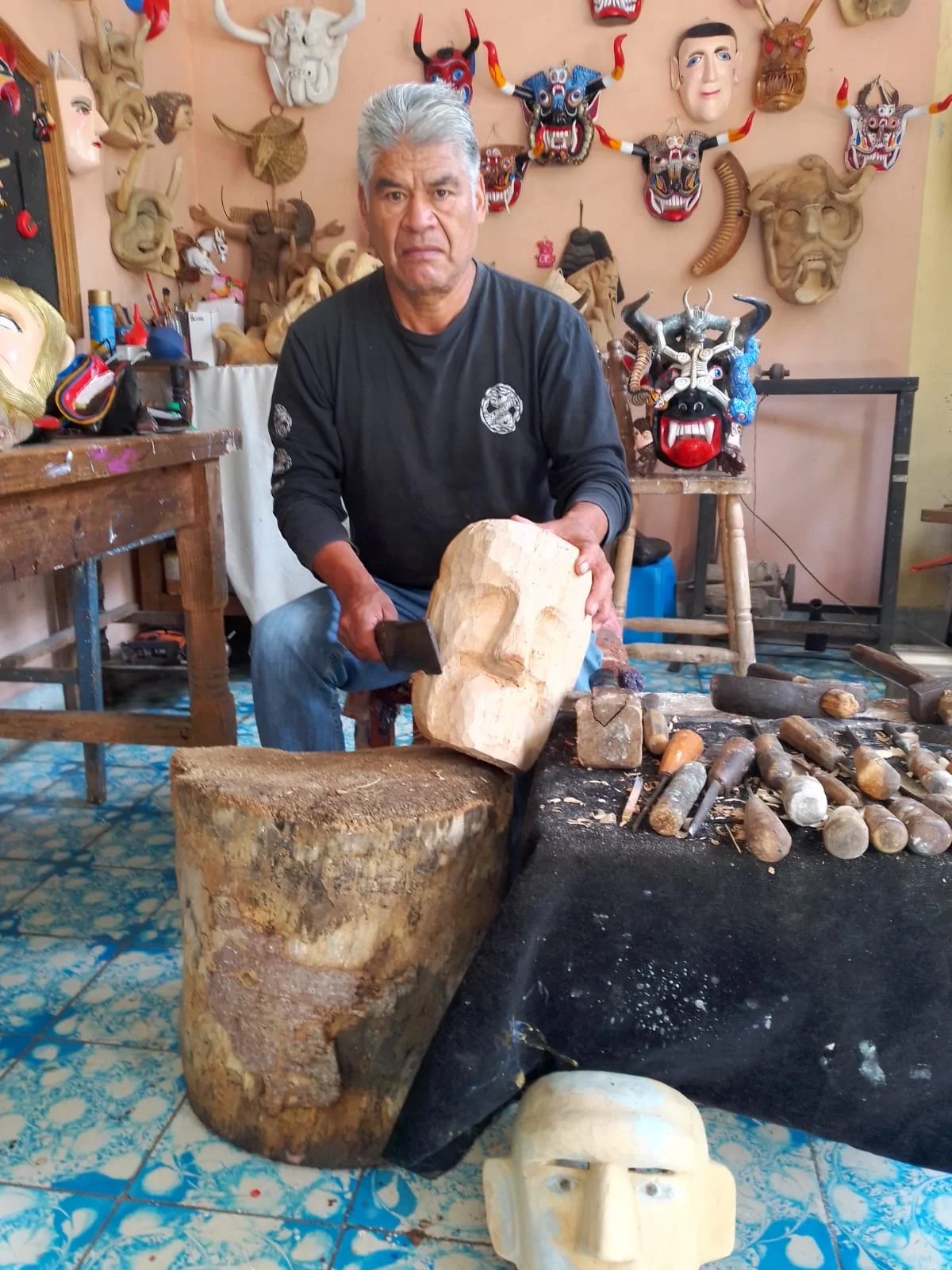
Felipe de Jesús Horta Tera is a master mask carver from Tócuaro, Michoacán, a Purépecha community known throughout Mexico for its carved wooden masks used in pastorela celebrations held each year around Candlemas. He is a second generation mascarero who began learning at age twelve from his father, Eustacio Horta Castillo, continuing a family line of mask makers active since the 1940s.
Majja Design Studio
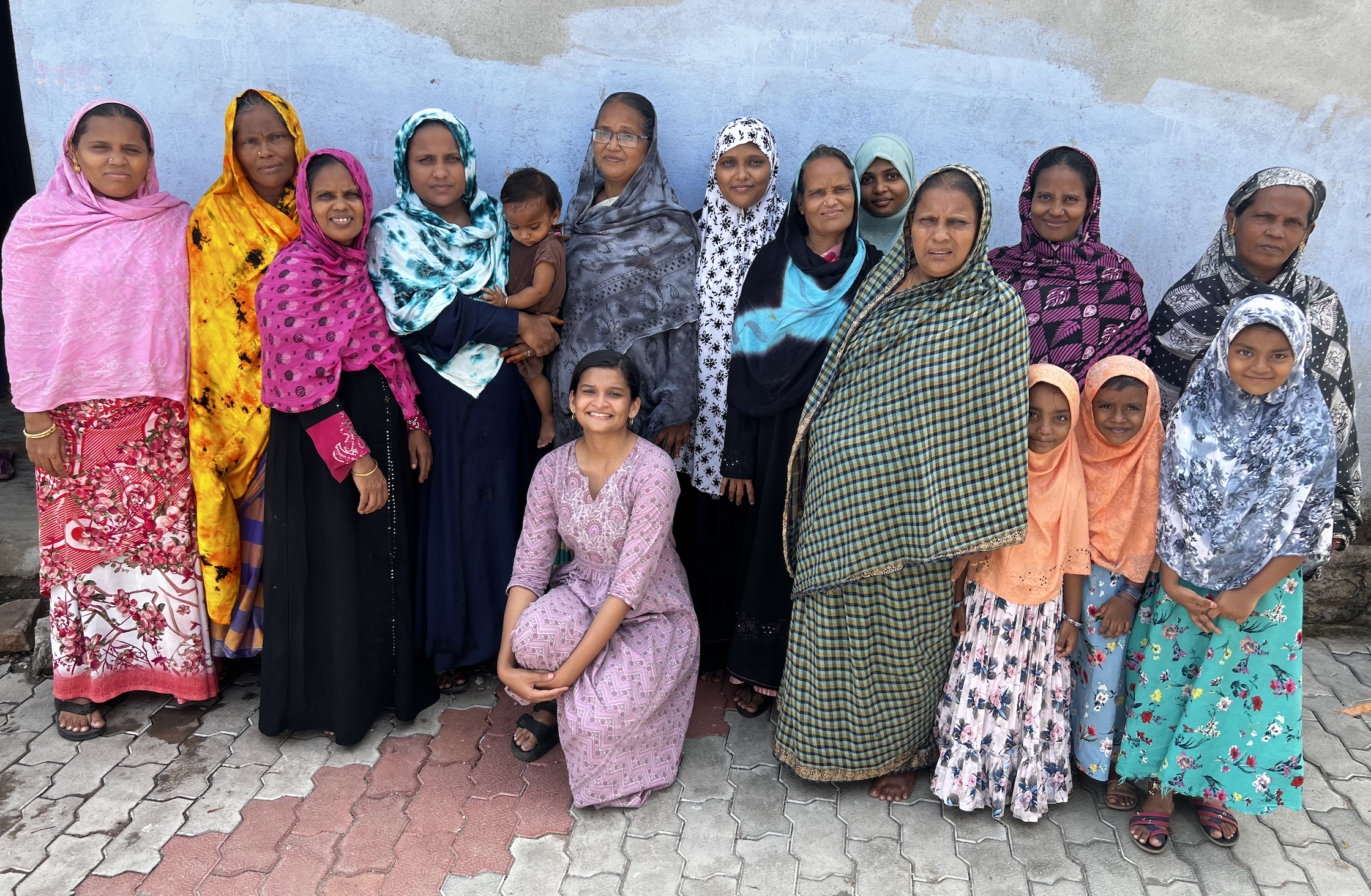
Majja Design Studio works with women mat weavers from Pattamadai, Tamil Nadu, a town known for its long tradition of weaving mats from korai, a grass which grows along the Thamirabarani River. This craft has been practiced for generations and is now primarily carried forward by women from the Labbai and Rowther communities.

María Guadalupe Vargas García
María Guadalupe Vargas García is a Purépecha artisan from the Lake Pátzcuaro region of Michoacán, where she works with chuspata, a native aquatic fiber that grows naturally along the lake’s edge. She is a third generation artisan, having learned the techniques of harvesting and weaving chuspata from her parents, and her work remains closely tied to the landscape and daily life of her community.
Supriya Sahoo
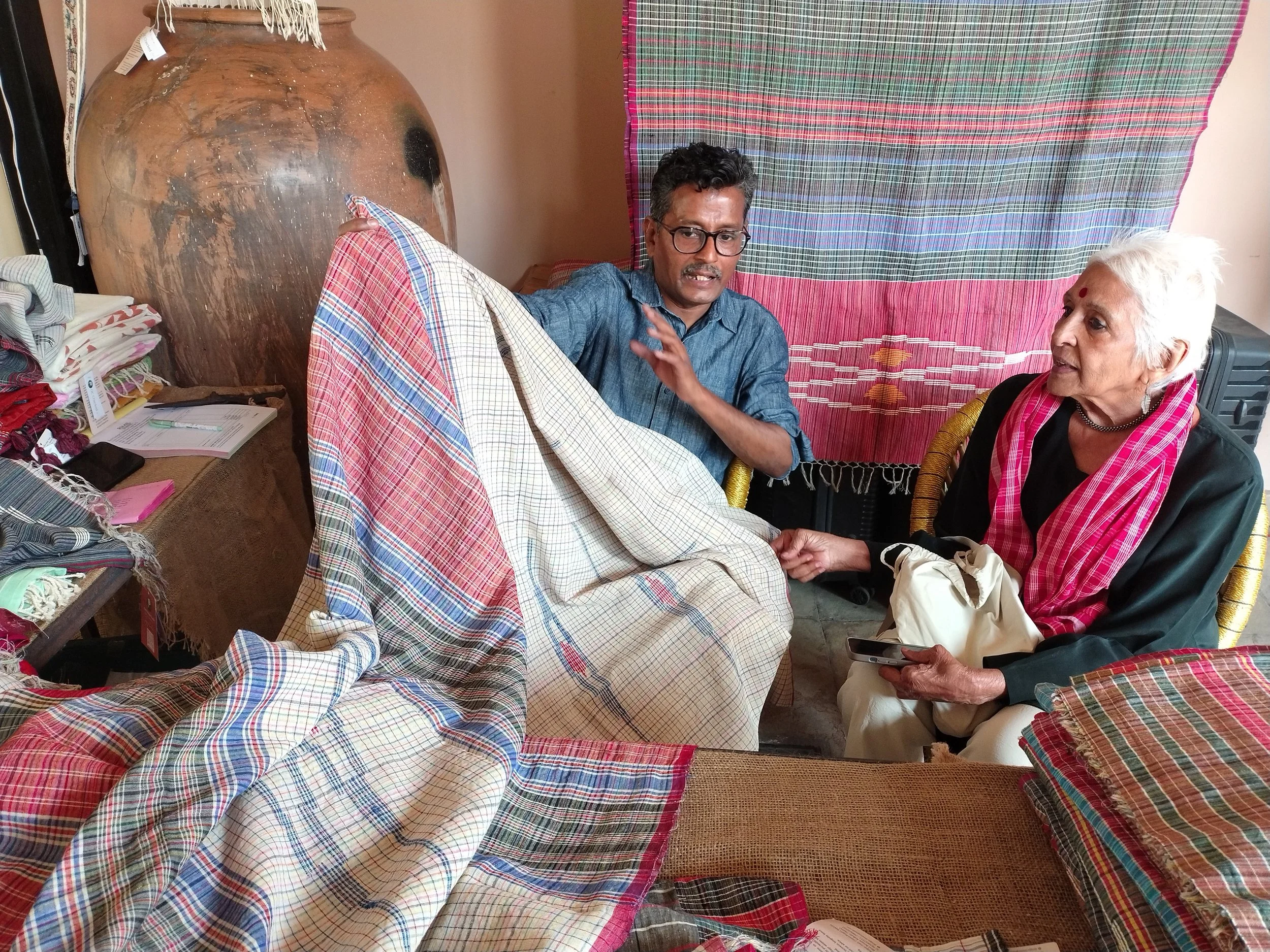
Supriya Sahoo is a textile designer based in West Bengal, India, working closely with traditional Gamcha weavers whose livelihoods have declined with the spread of power loom production. Trained at the Government College of Art and Craft in Kolkata, Supriya spent years working in the textile industry before returning to village weaving communities long connected to Gamcha cloth.
Kamronbek Kamolov
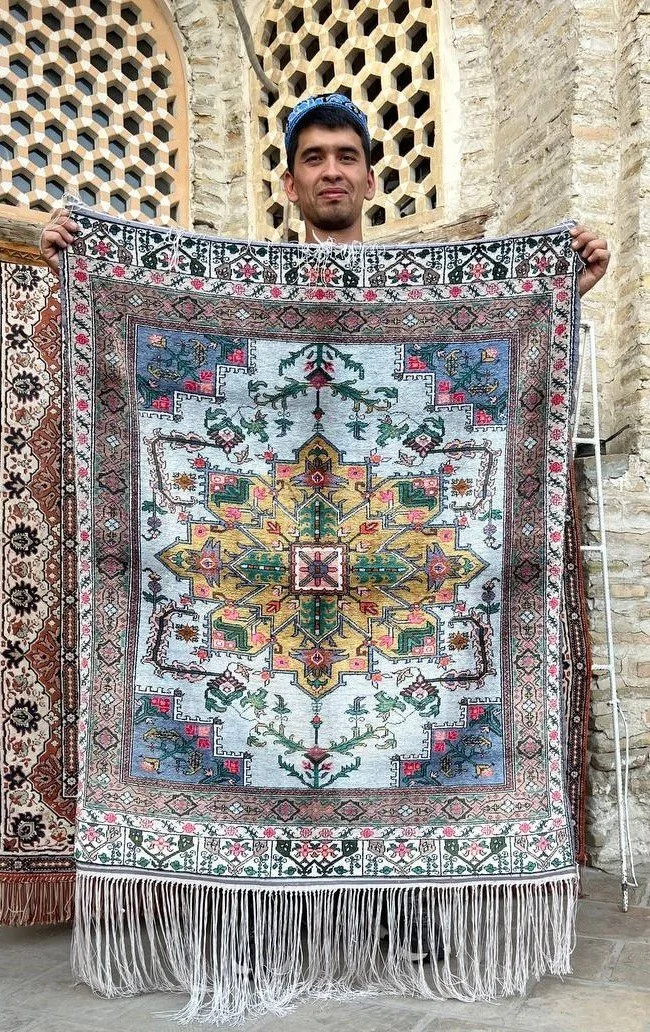
Kamronbek Kamolov is a carpet weaver from Bukhara, Uzbekistan - a city that once buzzed with traders on the Silk Road - working within a family tradition that spans generations. He comes from both Turkmen and Uzbek heritage, and this mixed lineage shapes the visual language of his rugs, though his rugs lean towards Turkmen nomadic traditions. Kamronbek began learning to weave at the age of ten, taught by his father, who had learned the craft from his own father. He says about his style, “I love and use the old Turkmen ways of carpet weaving, but I also add my own ideas.”
Semati Tewé
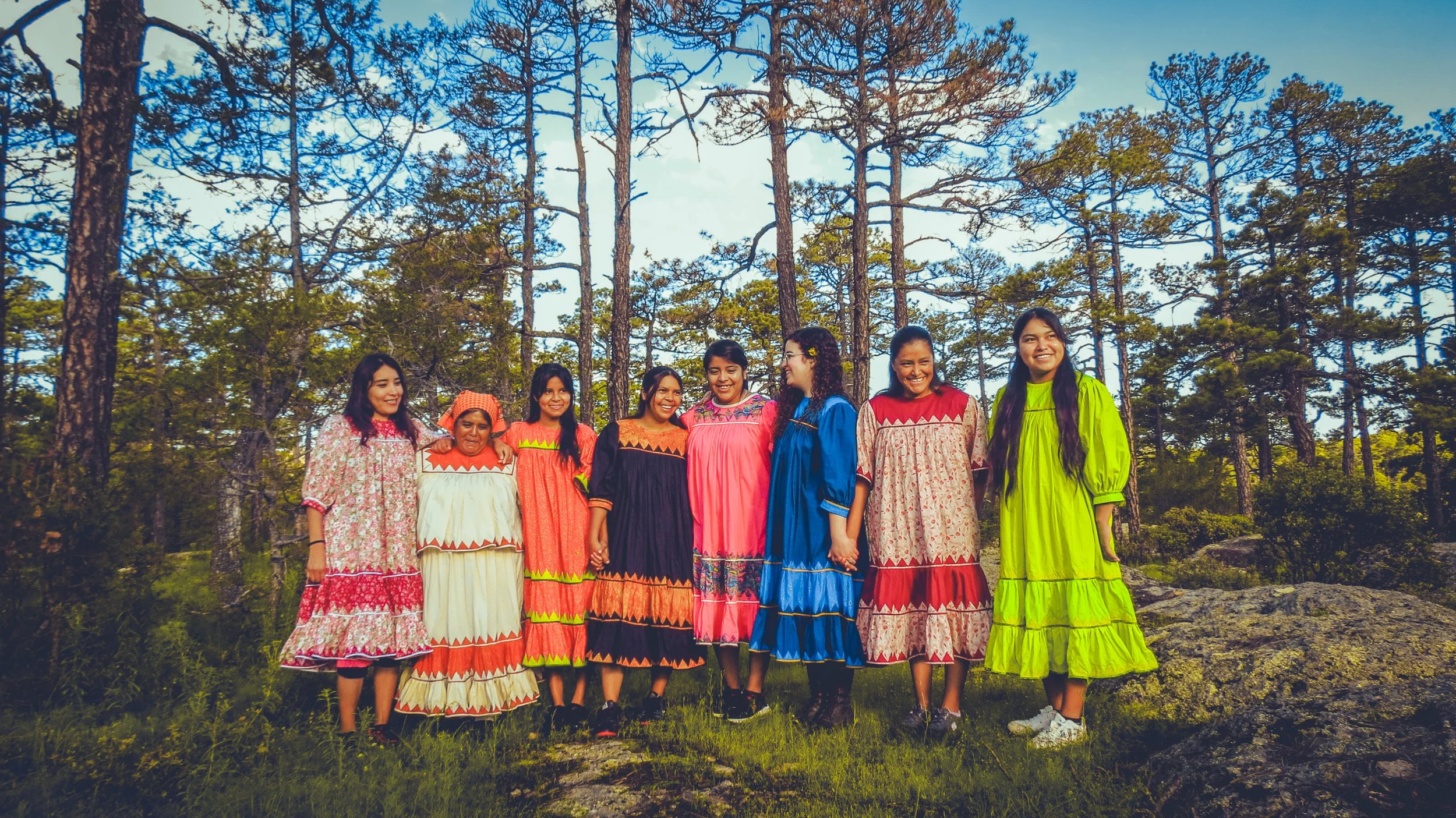
Semati Tewé is a women-led cooperative formed by Rarámuri women from the Sierra Tarahumara in the state of Chihuahua, Mexico. The group came together in 2021 after conversations about how difficult it had become to sustain their lives, culture, and work within their own territory. Farming alone was no longer enough, and traditional clothing, though still worn daily, was rarely valued as skilled work.

Lisima Handmade
Lisima Handmade is a collective of artisans from Alto Cuito and surrounding villages in Moxico Province, a remote region of miombo forest and grasslands in eastern Angola. The area is part of the Angolan Highlands Water Tower, where rivers begin their journey toward the Okavango Delta. Lisima means “center of the world,” a name reflecting both place and responsibility.
Kubsa Handcrafted Textiles
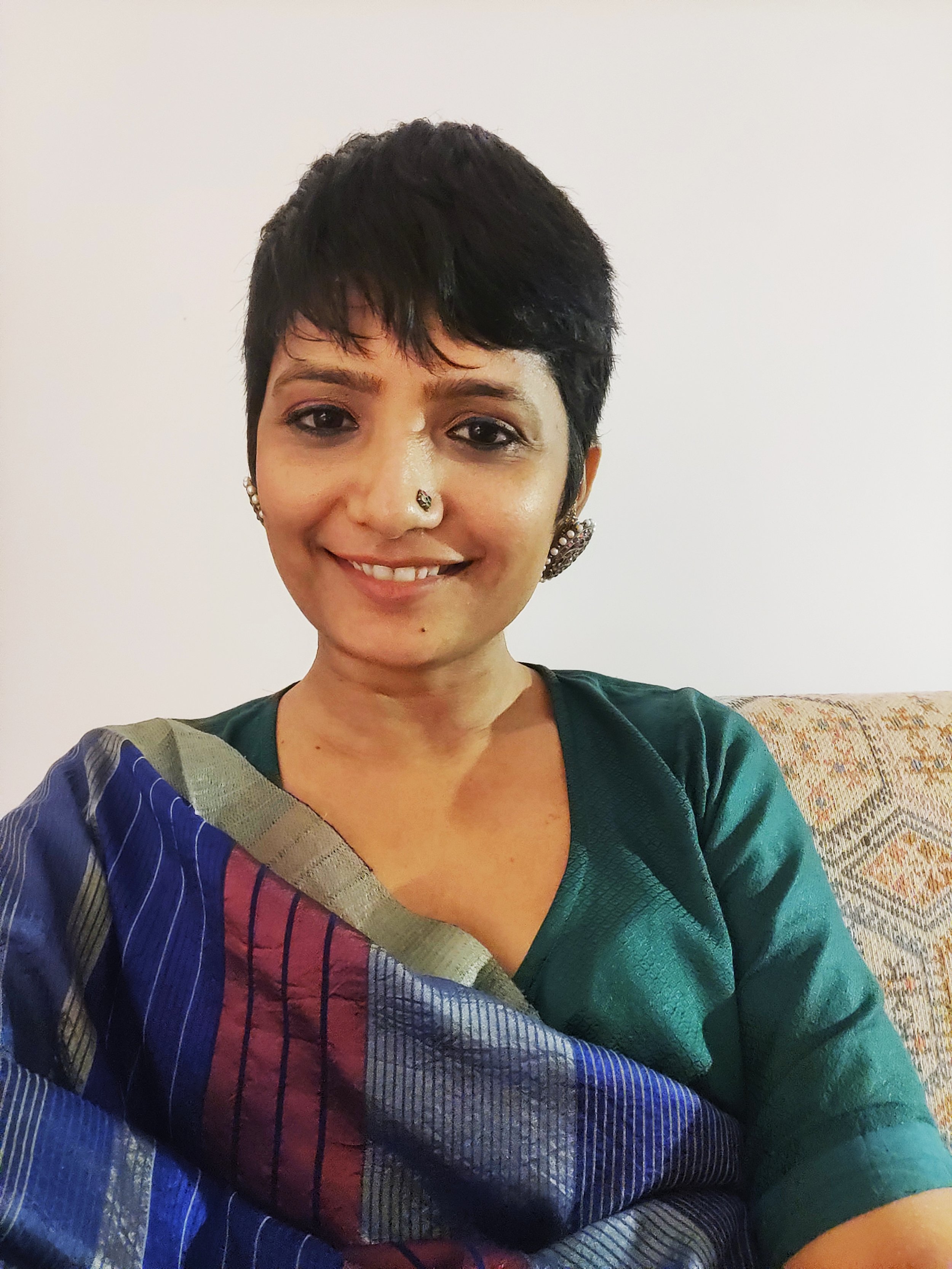
Kubsa Handcrafted Textiles is a design-led textile studio founded in 2019 by Geeta Patil. She was born into an agrarian family in northern Karnataka and spent her early years surrounded by the region's everyday handloom traditions. Growing up in the 1980s, it was common for women to wear Ilkal and Khana textiles daily and for families to sleep under hand-quilted Khowdi bed coverings.
Cecilia Chamorro
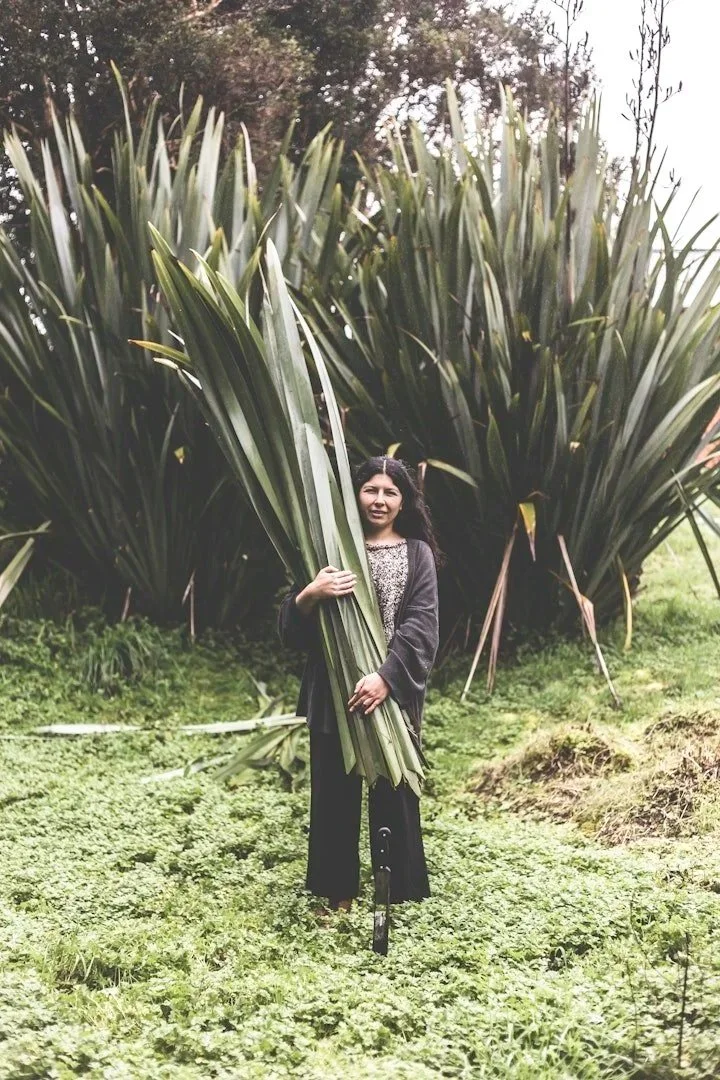
Cecilia Chamorro is an artisan and art educator from Puerto Montt, in the northern Patagonian region of southern Chile. Her basketry practice is closely tied to the landscapes where she grew up, shaped by the coast, forests, rain, and the everyday presence of baskets used for fishing, gathering, and food transport in local markets. According to Cecilia, “From a very young age, I grew up observing the basketry of my city. When going to the local market, all the shellfish and fish arriving from nearby islands by boat came in baskets made of manila.”
Hajsu Etnomoda
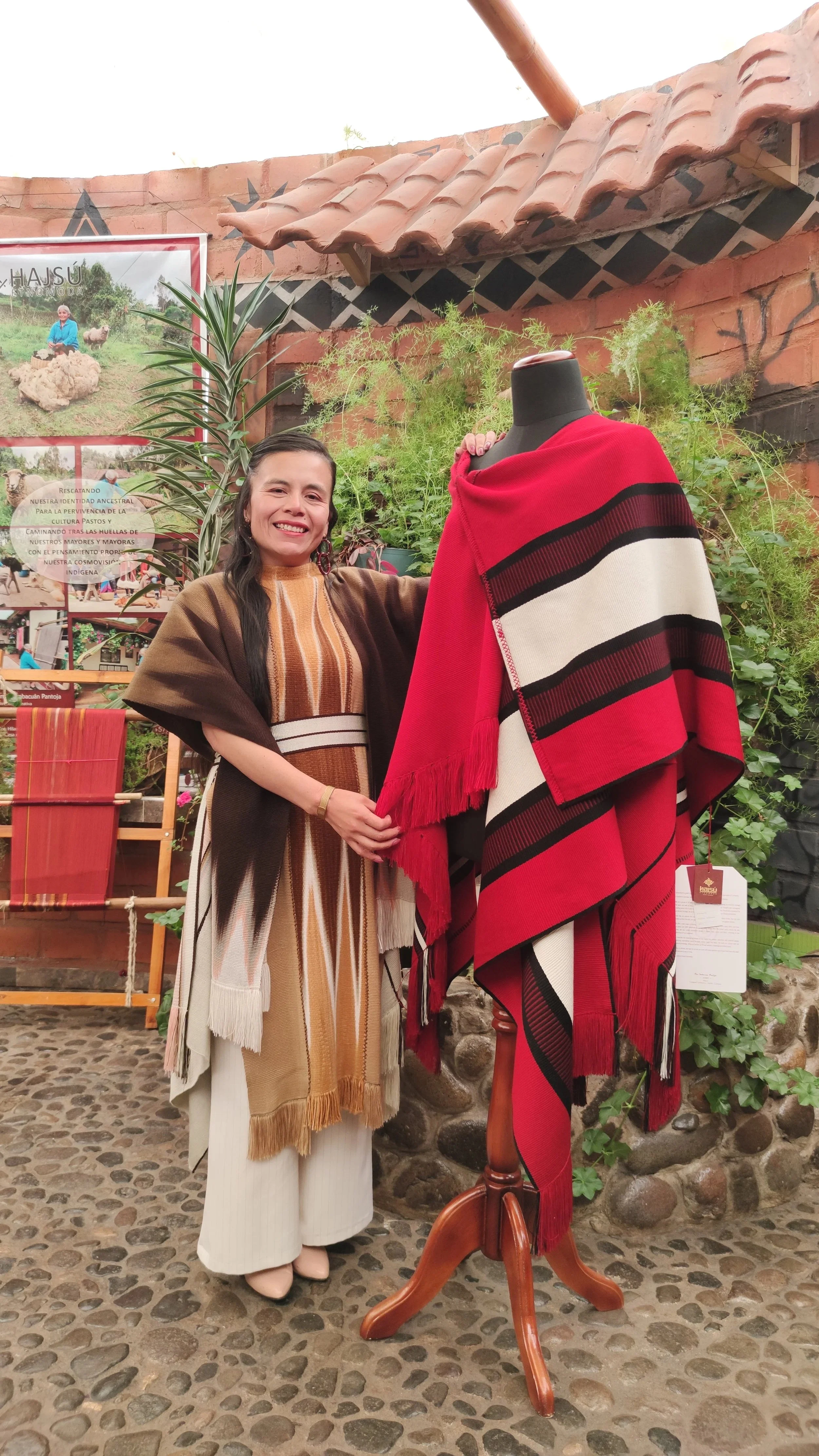
Hajsu Etnomoda is a contemporary fashion brand led by Indigenous designer Flor Imbacuán, who was born and lives in the Cuaspud reservation in Nariño, Colombia. She grew up surrounded by the textile traditions of her community, where the ancestral loom, the La Guanga, is both a working tool and a cultural symbol tied to the Andean worldview. Flor learned to weave from her mother, a master weaver, and later trained in fashion design, bringing this knowledge into her contemporary design practice.
Kelzang Textiles
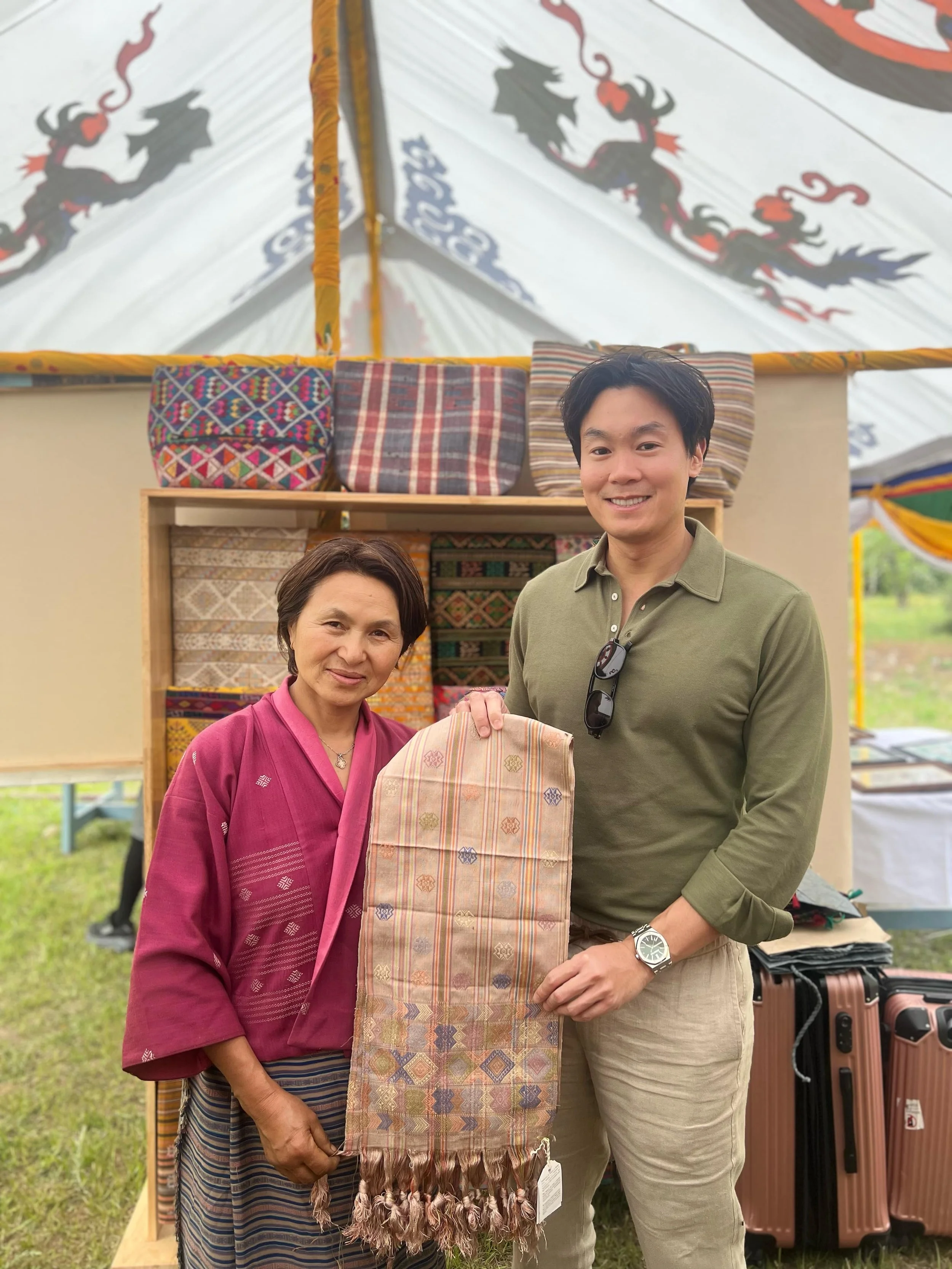
Kelzang Textiles is led by master weaver Kezang Wangmo, whose work stems from a lifetime spent weaving in eastern Bhutan. She began learning the craft at the age of nine in her home village of Khoma in Lhuntse, a region known for kishuthara, one of Bhutan’s most technically demanding ceremonial textiles. What began as a family skill became her profession, and in 1995, she established Kelzang Handicraft in Thimphu.
Neyra Pérez Rodríguez
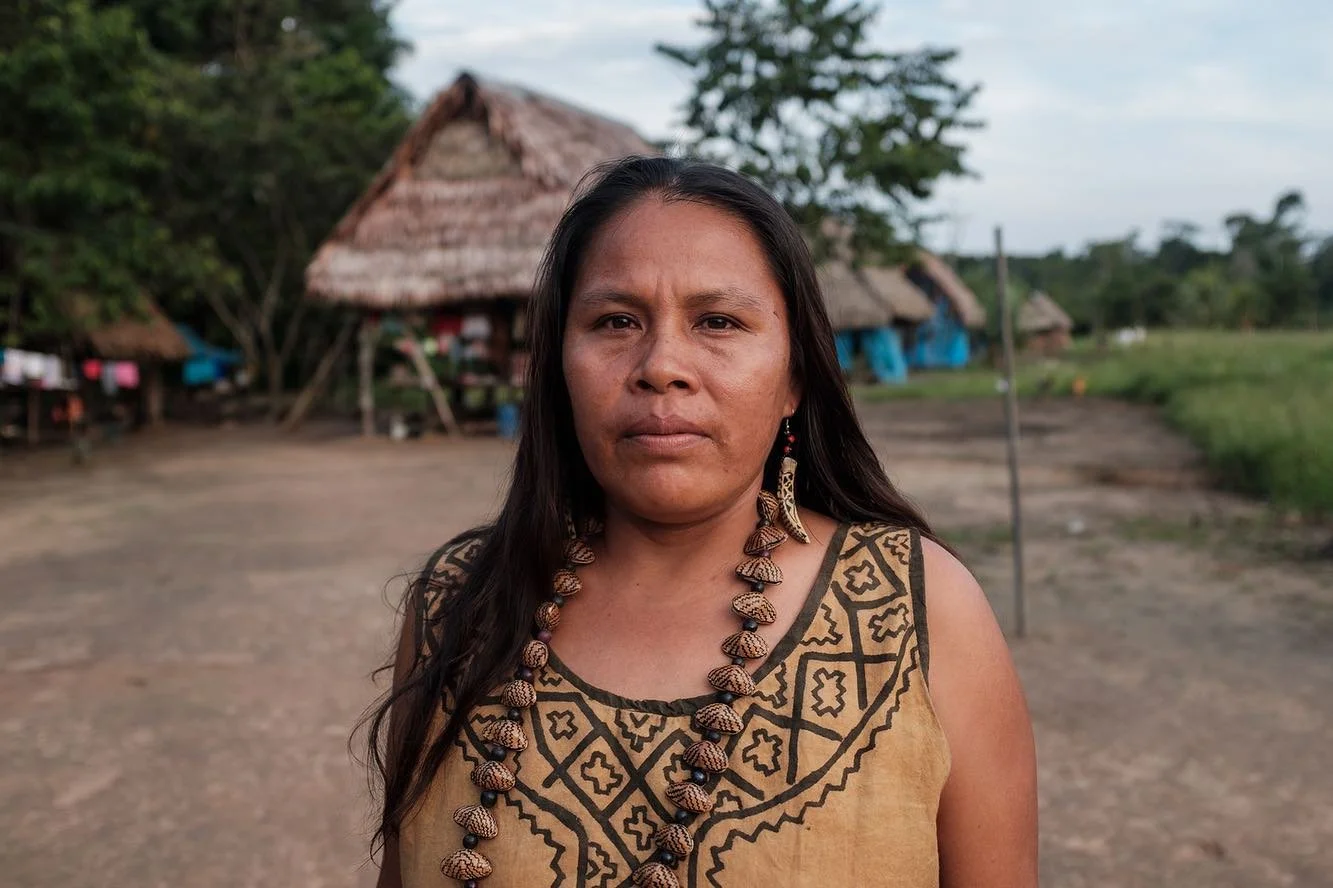
Neyra Pérez Rodríguez is an artist from the Iskonawa people, living in the Comunidad Nativa Callería in the Ucayali region of the Peruvian Amazon. Her community is accessible only by river, several hours from the city of Pucallpa, and is shared by two peoples: the Shipibo-Konibo and the Iskonawa. For decades, the Iskonawa were widely believed to have disappeared as a distinct culture.
Nohui Cosmogonía Textil
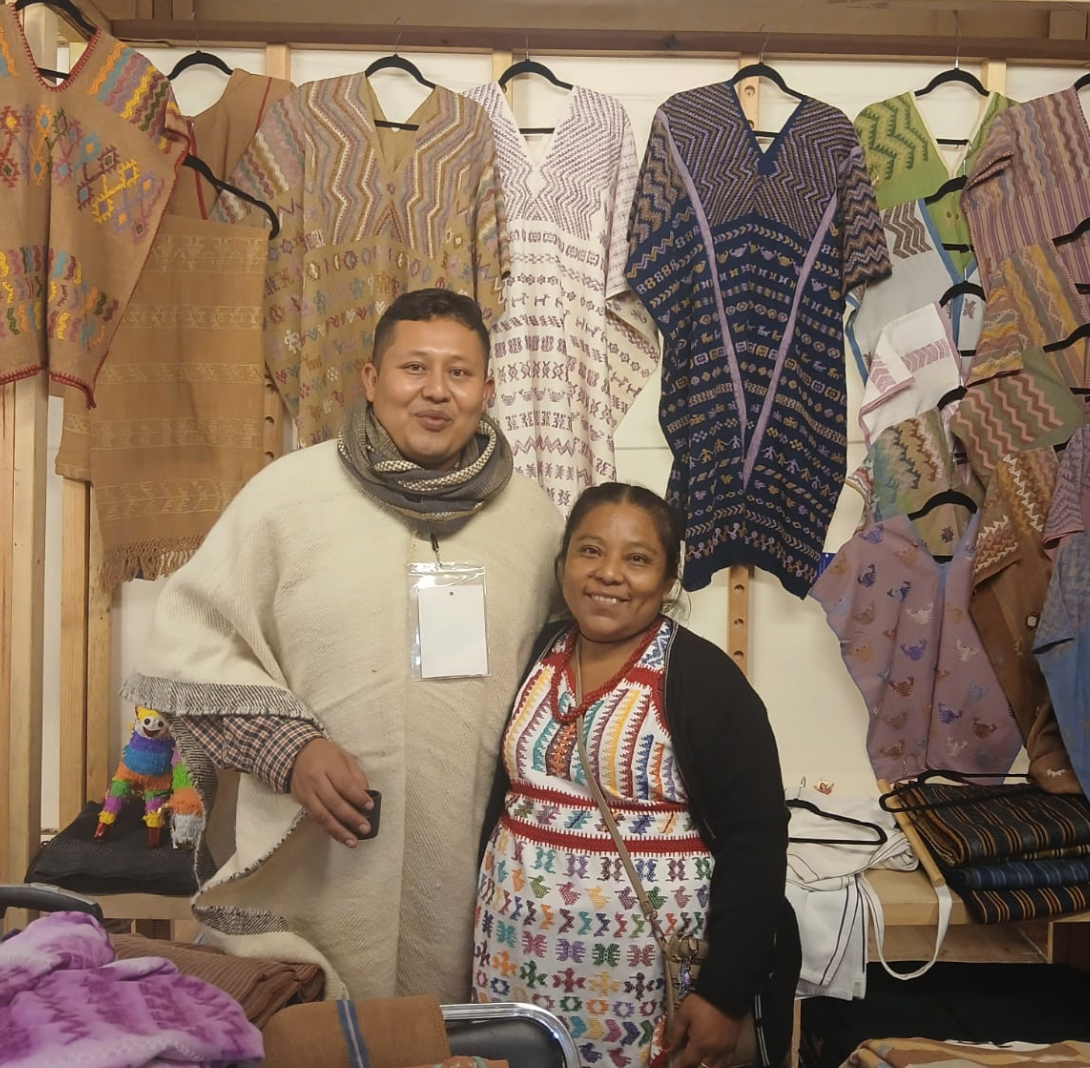
Nohui Cosmogonía Textil is a family based textile practice from San Juan Colorado, a Ñuu Savi (Mixtec) community on the coast of Oaxaca, Mexico. The work is led by Elena Nicolás Hernández, who began weaving at the age of six, learning from her mother and grandmothers. In her community, weaving is not taught formally, but is learned through daily practice and long observation.
Indigenous Health Solutions
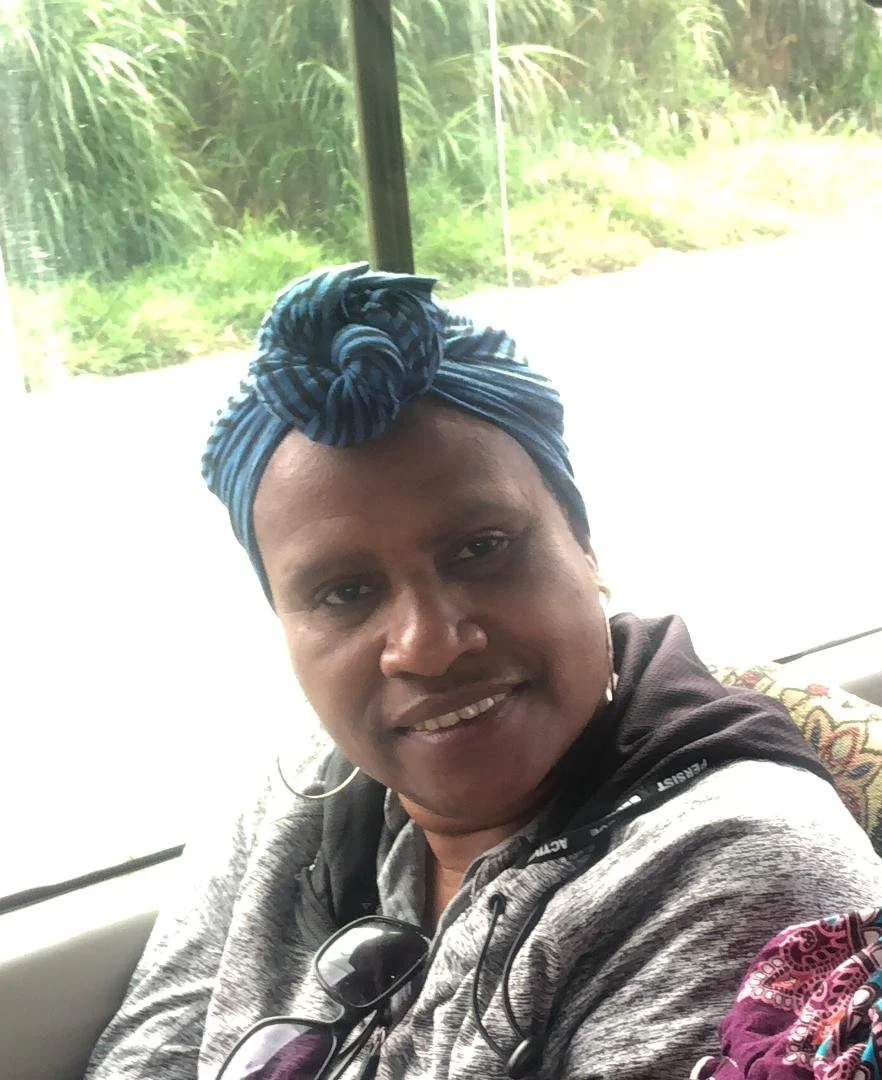
The baskets are made by Indigenous artisans from the Lufa District in Papua New Guinea’s Eastern Highlands Province, where cane basketry has long been part of everyday life. Traditionally, these baskets are used for carrying food, garden harvests, and household goods, and the techniques are passed down through hands-on practice rather than formal instruction.
Yenny Cárdenas Mepaquito | Uuphidag Tholau Wiquierdn
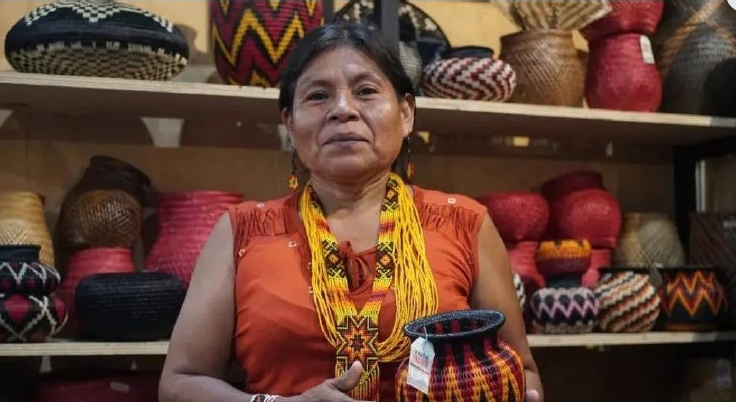
Yenny Cárdenas Mepaquito is a Wounaan master artisan and teacher from Unión Balsalito, in the Litoral del San Juan region of Chocó, Colombia. Her work is rooted in the Wounaan tradition of weaving werregue palm, a practice closely tied to territory, ecology, and community life in the Colombian Pacific rainforest.
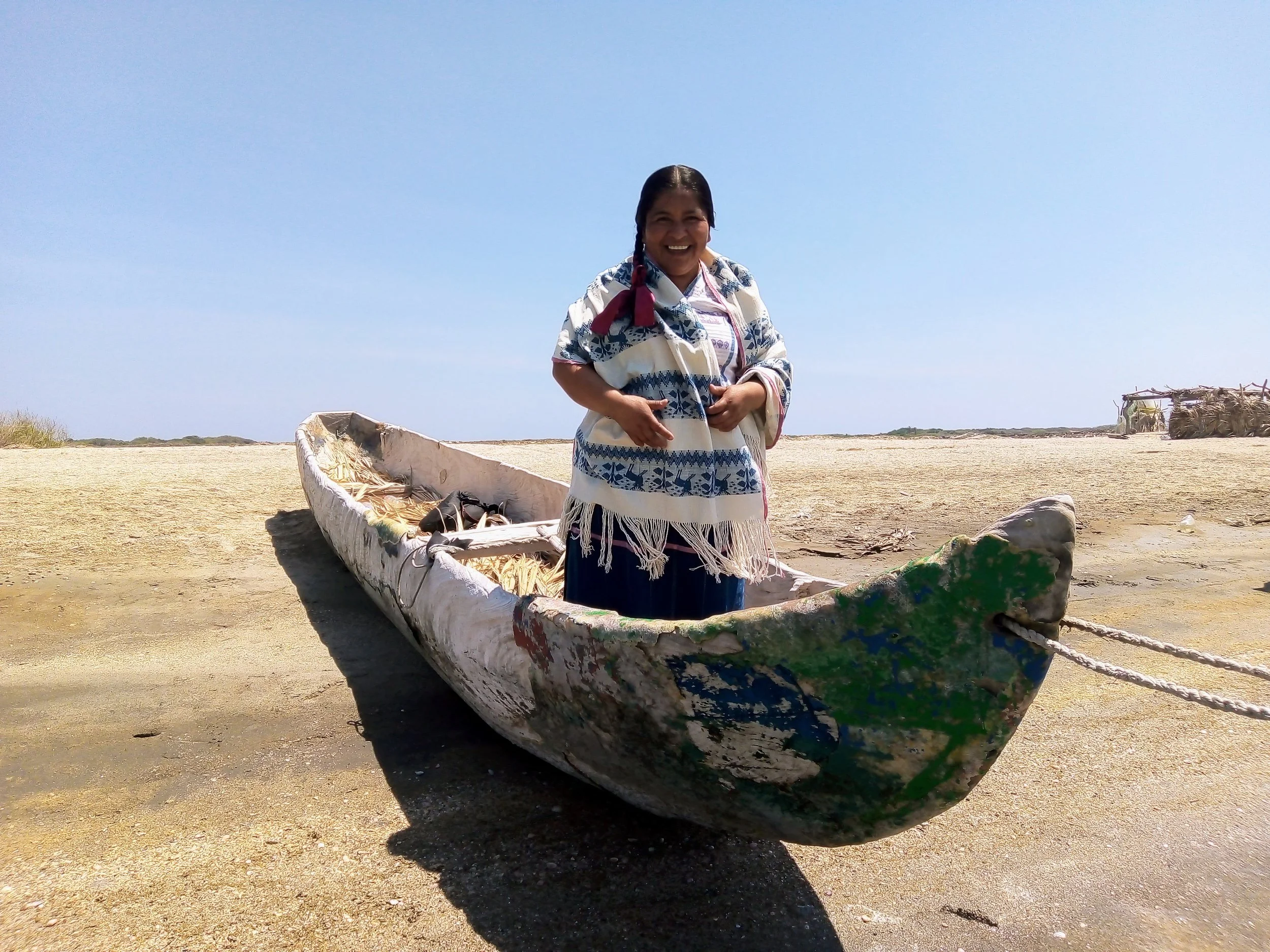
Francisca Palafox Herrán | Tejedora de Sueños
Francisca Palafox Herran is an Ikoots weaver from San Mateo del Mar, a coastal community on the Isthmus of Tehuantepec in Oaxaca. The Ikoots people, also known as Huaves, have a textile tradition shaped by life along the sea. While huipiles are woven across southern Mexico, Ikoots textiles are rare, and their designs reflect a coastal world distinct from better-known inland traditions.

Porgai Artisans Association
Porgai Artisans Association is a women-led cooperative based in the Sittilingi Valley in Tamil Nadu, India, working to sustain traditional Lambadi hand embroidery. The association is rooted in the Lambadi community, a historically nomadic group for whom embroidery once played a central role in clothing, daily life, and movement across regions.
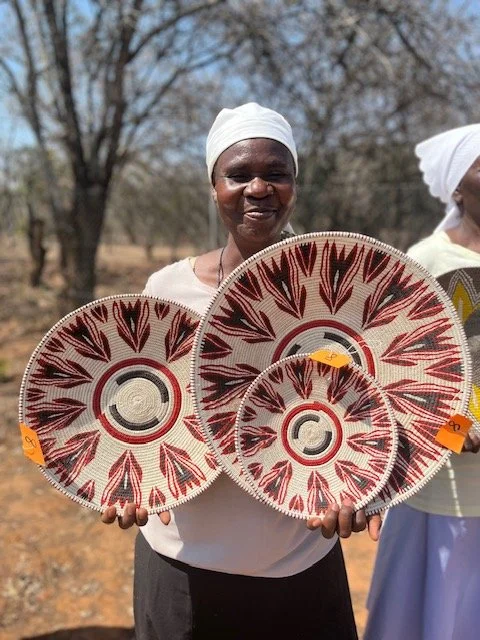
The Zienzele Foundation
The Zienzele Foundation works with women’s basket-weaving cooperatives in the Chivi South District of Zimbabwe, a rural, majority Shona-speaking region where access to paid work has long been limited. Basket weaving here is a traditional skill, passed down through generations of women using locally gathered grasses, sisal, and natural dyes.