Passport to Folk Art – South Africa: Journey to a New Home
By Leigh Maddox (September 2026)
From the time I was young, I wanted to go to Africa. It didn’t really matter where; I just always felt I belonged there somehow. This September, I finally got my chance to participate in IFAM’s Passport to Folk Art trip to South Africa, organized and run by IFAM travel partner BJ Adventures. Every day of the trip included luxury accommodations and five-star food, but the artist visits were what really stood out. We visited no fewer than seven current or former IFAM artists during the tour, most of whom were in their home villages, providing geographic and cultural context for their art.
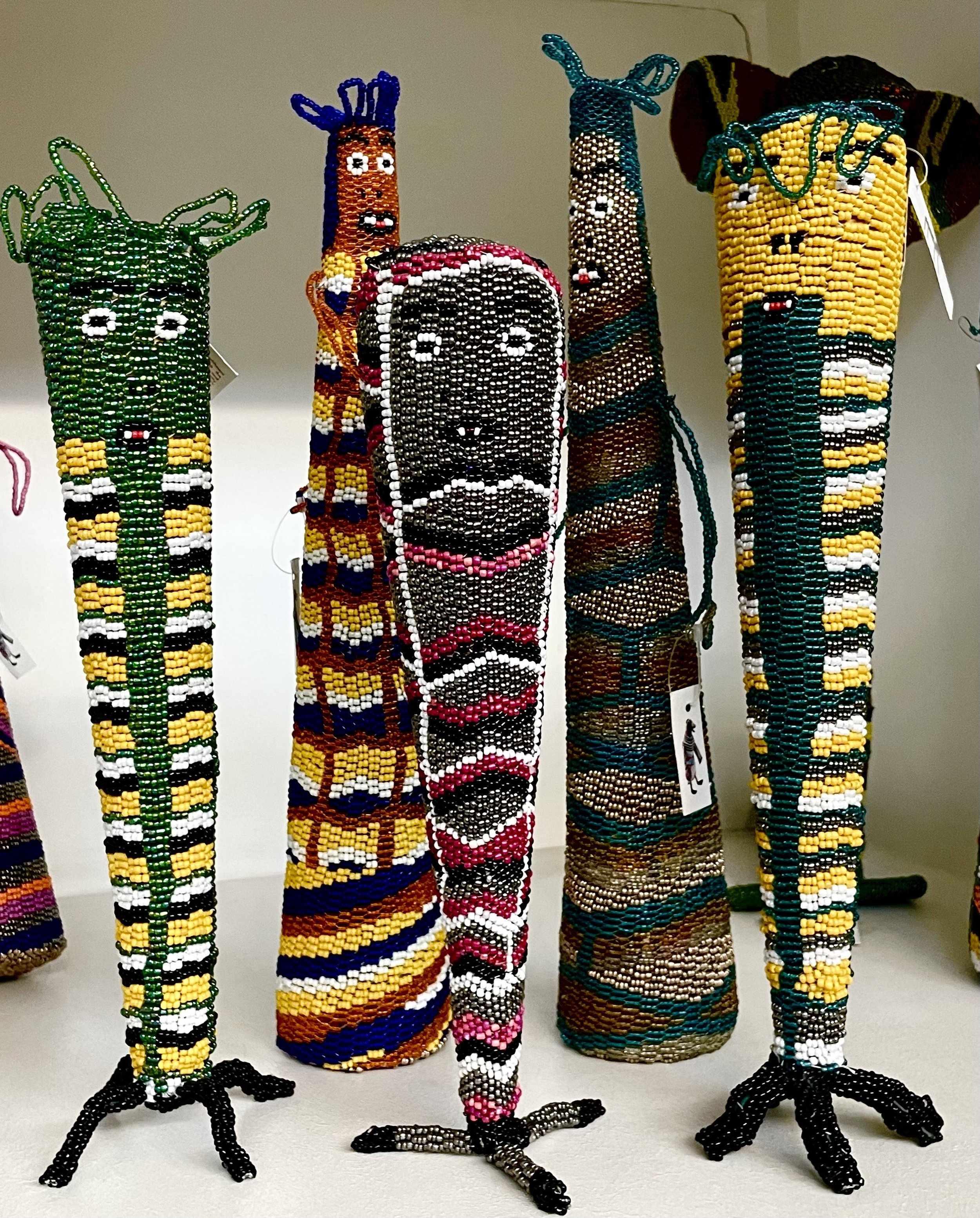
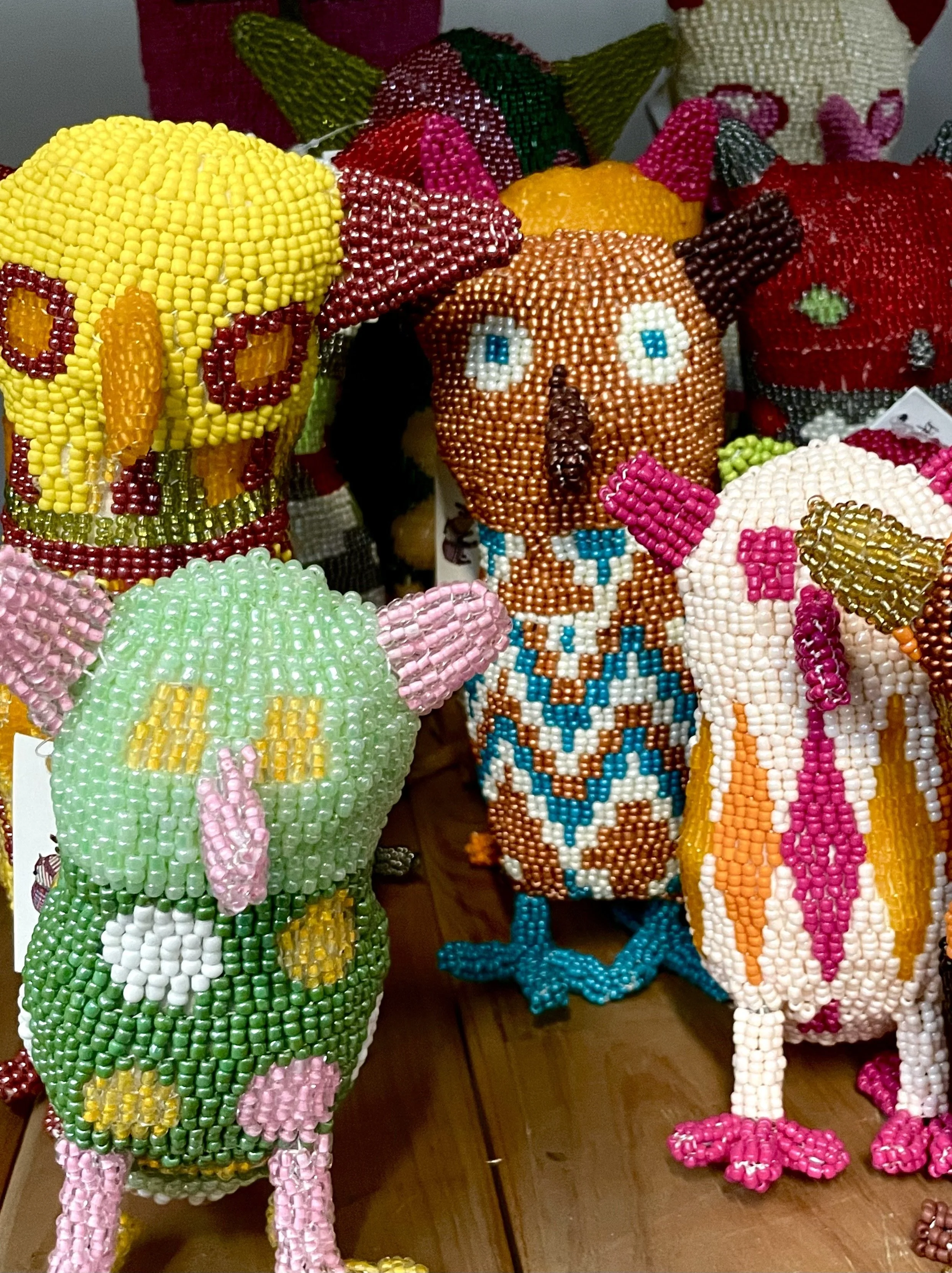
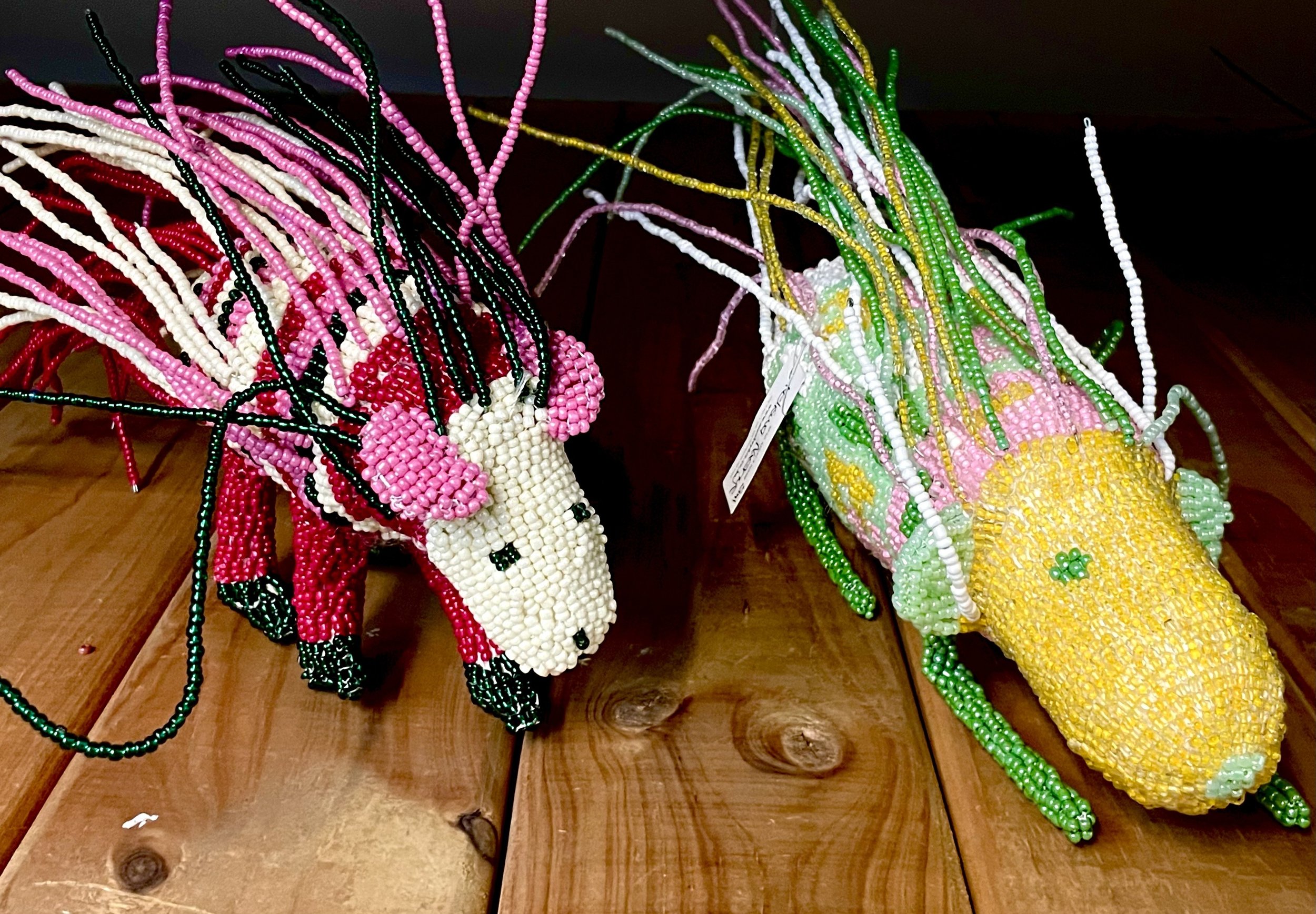
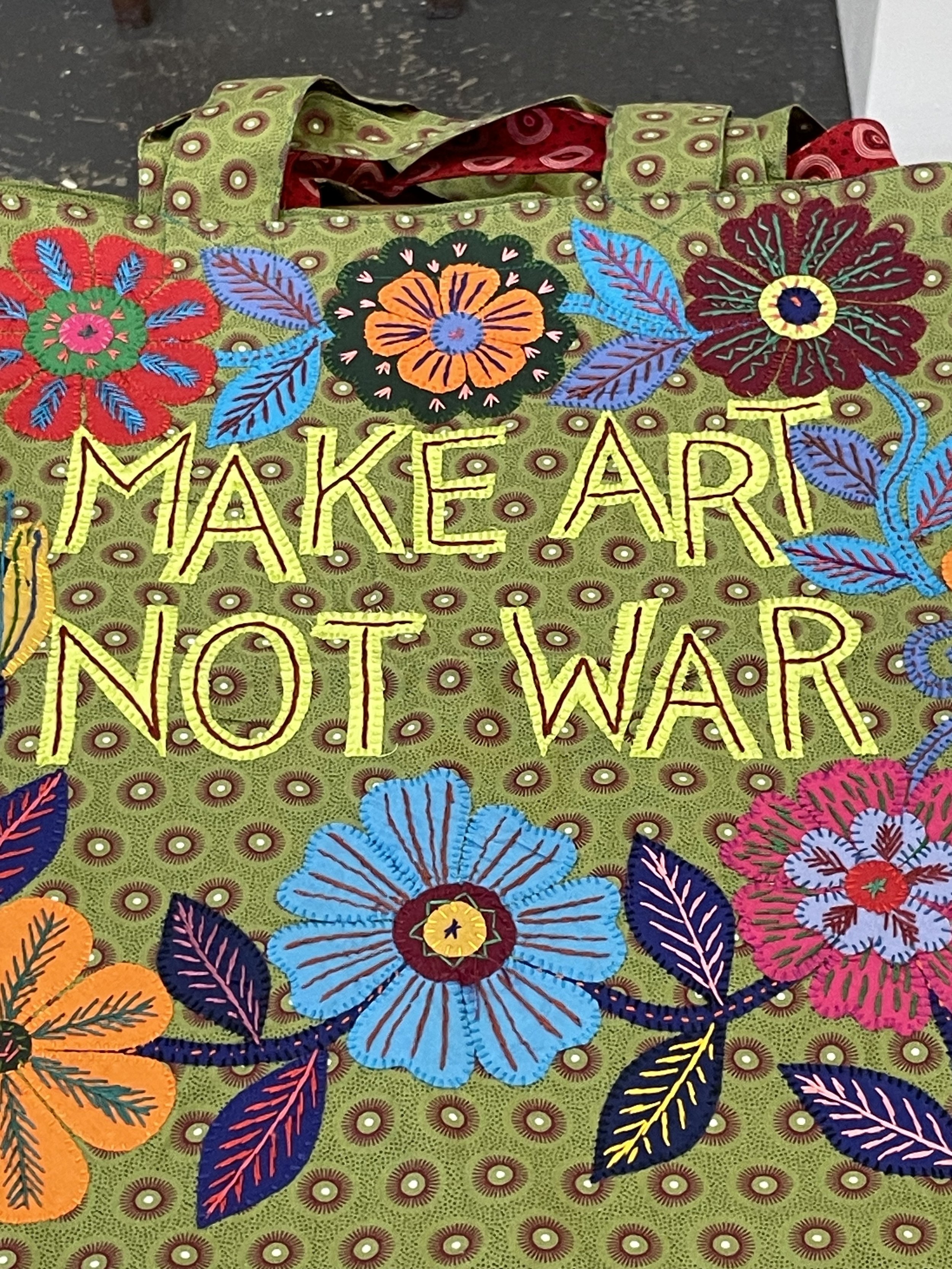
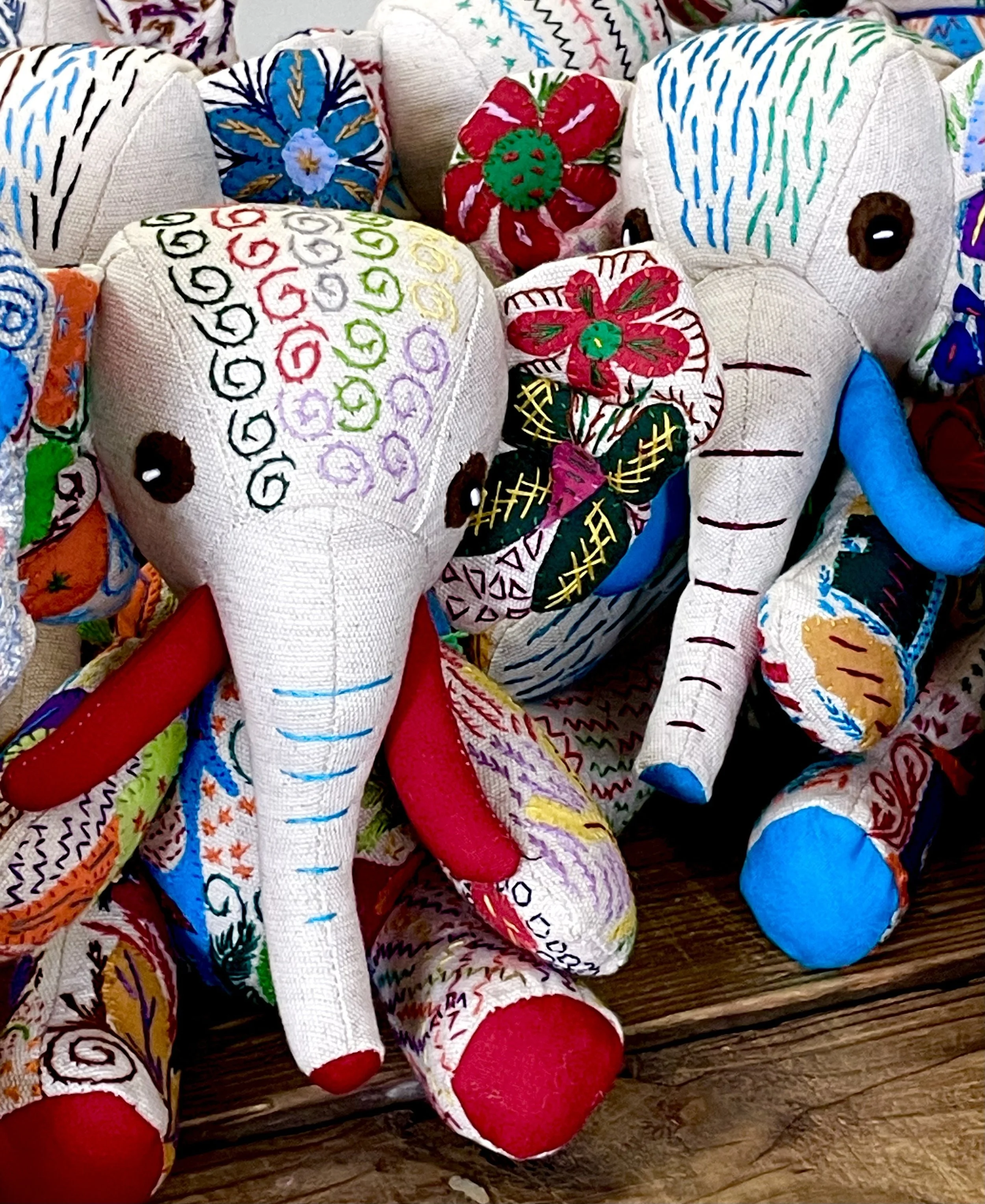
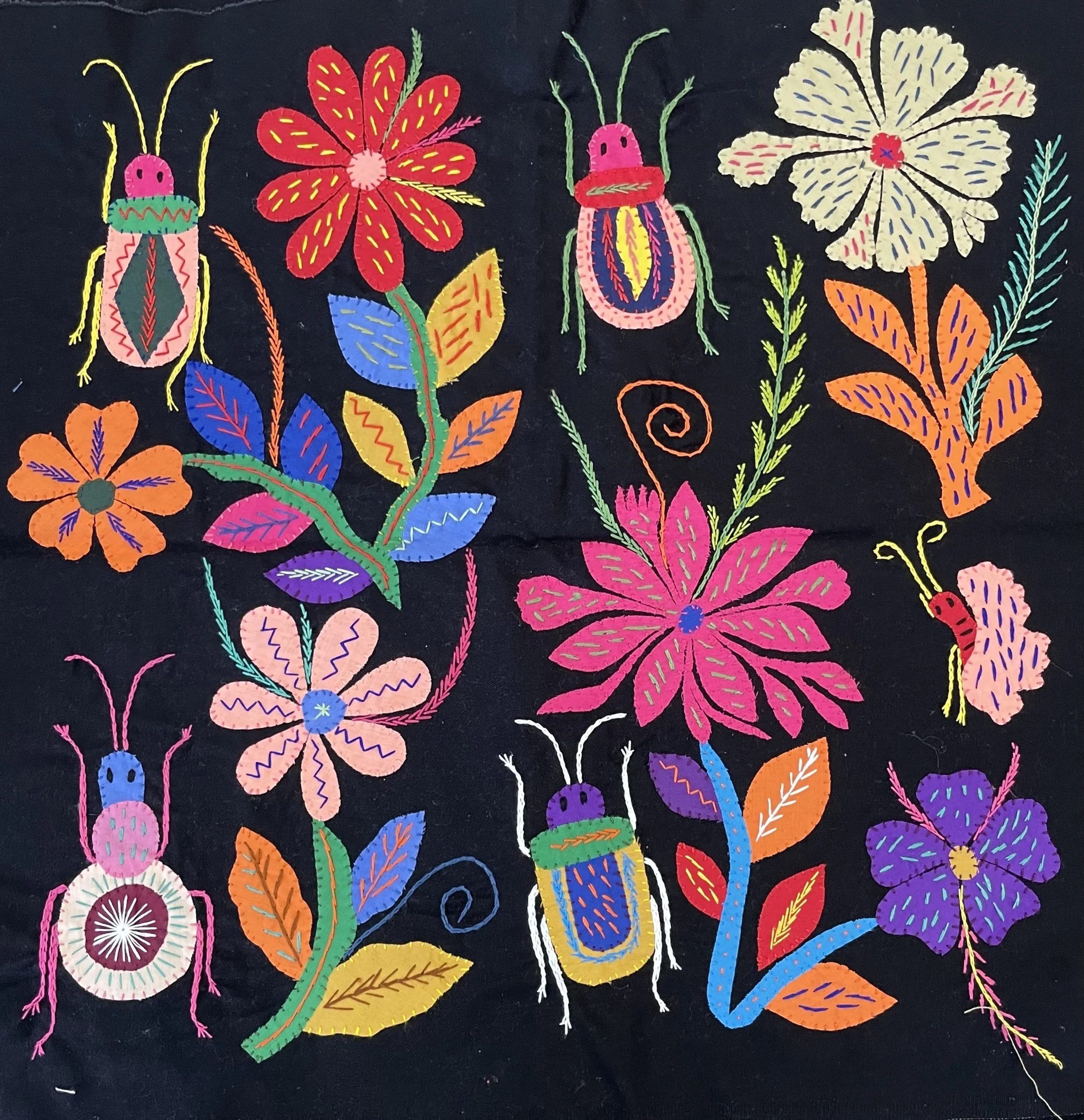
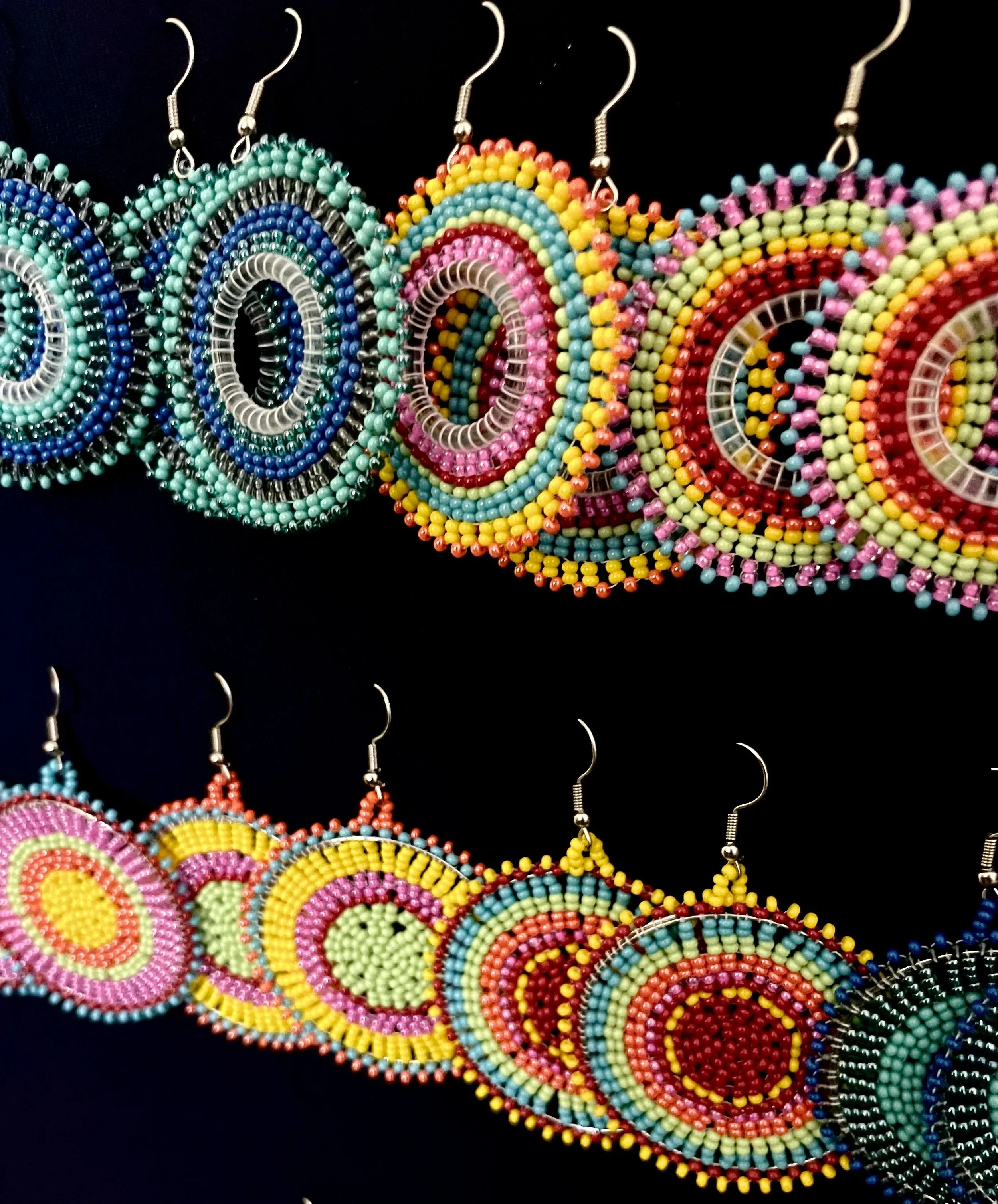
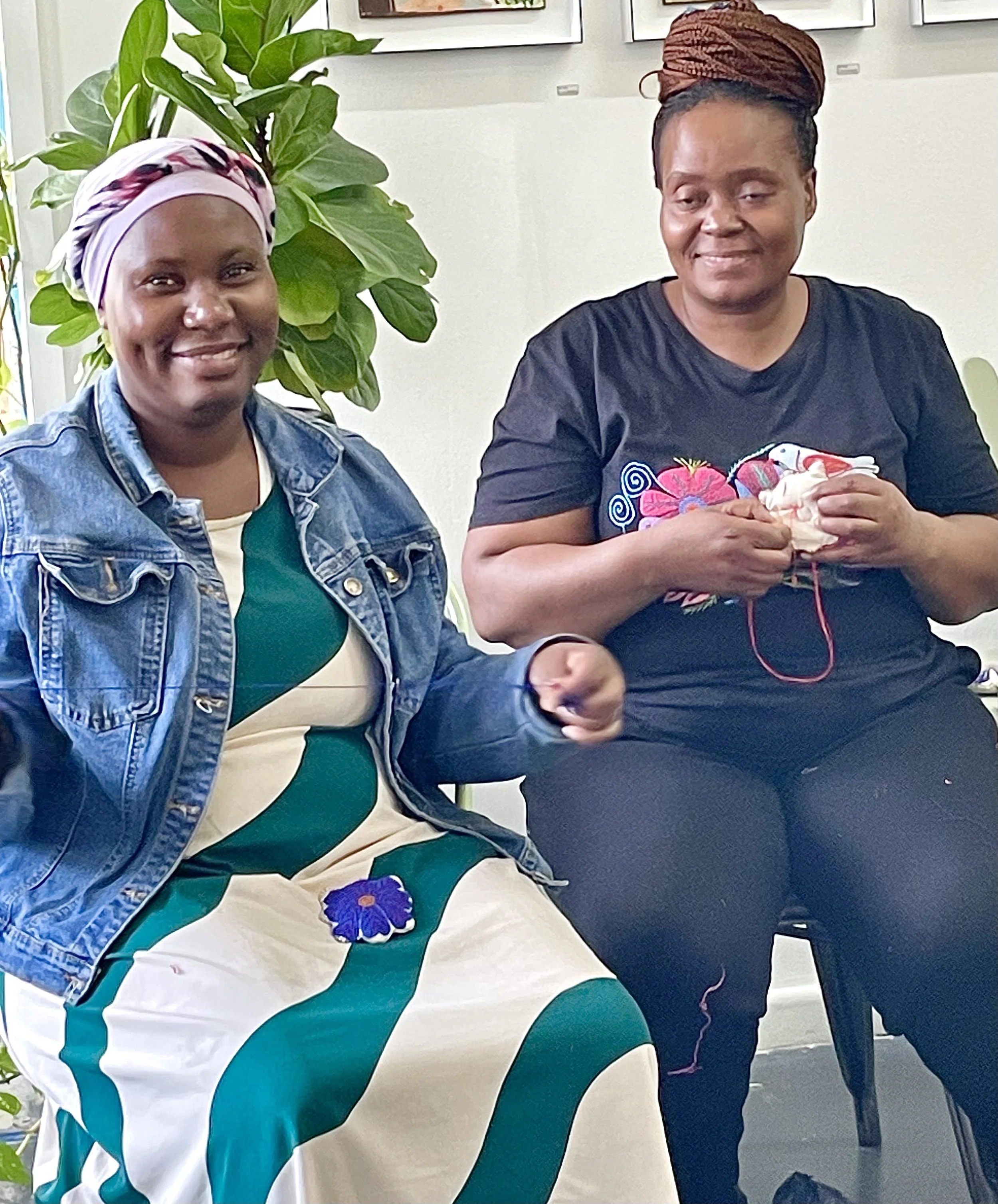
Our first stop on the tour was in and around Cape Town, where we visited MonkeyBiz, whose whimsical beaded animals have always delighted me, as they seem like children’s drawings brought to life! We also visited Heartworks, which focuses on embroidered pillow covers, 2-D art, and stuffed animals. I noticed items in their studio which I don’t recall seeing at the Market, such as tote bags and journals with embroidered covers. This is a real perk of traveling to see the artists; their inventory can be much wider than what they can bring to Santa Fe.
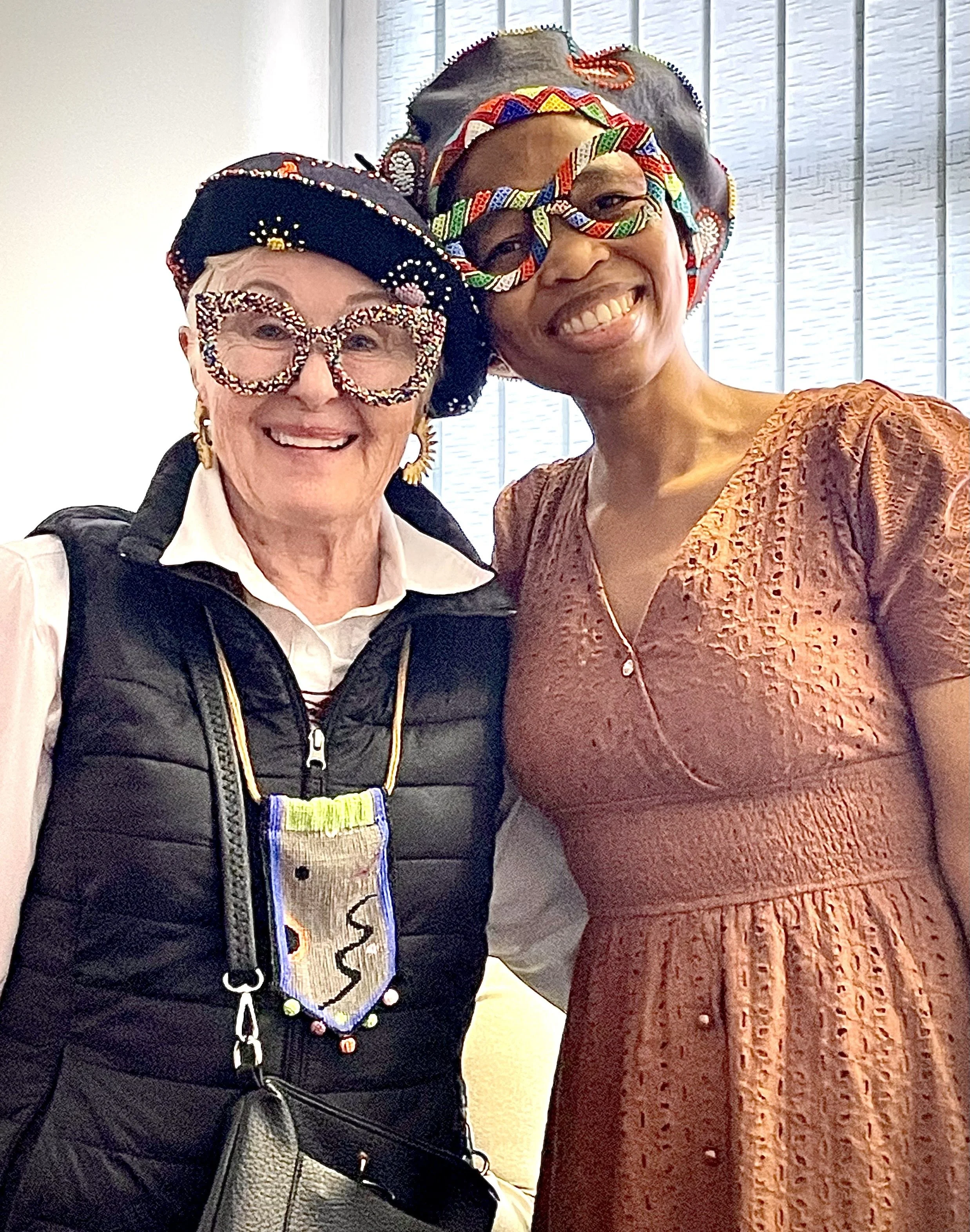
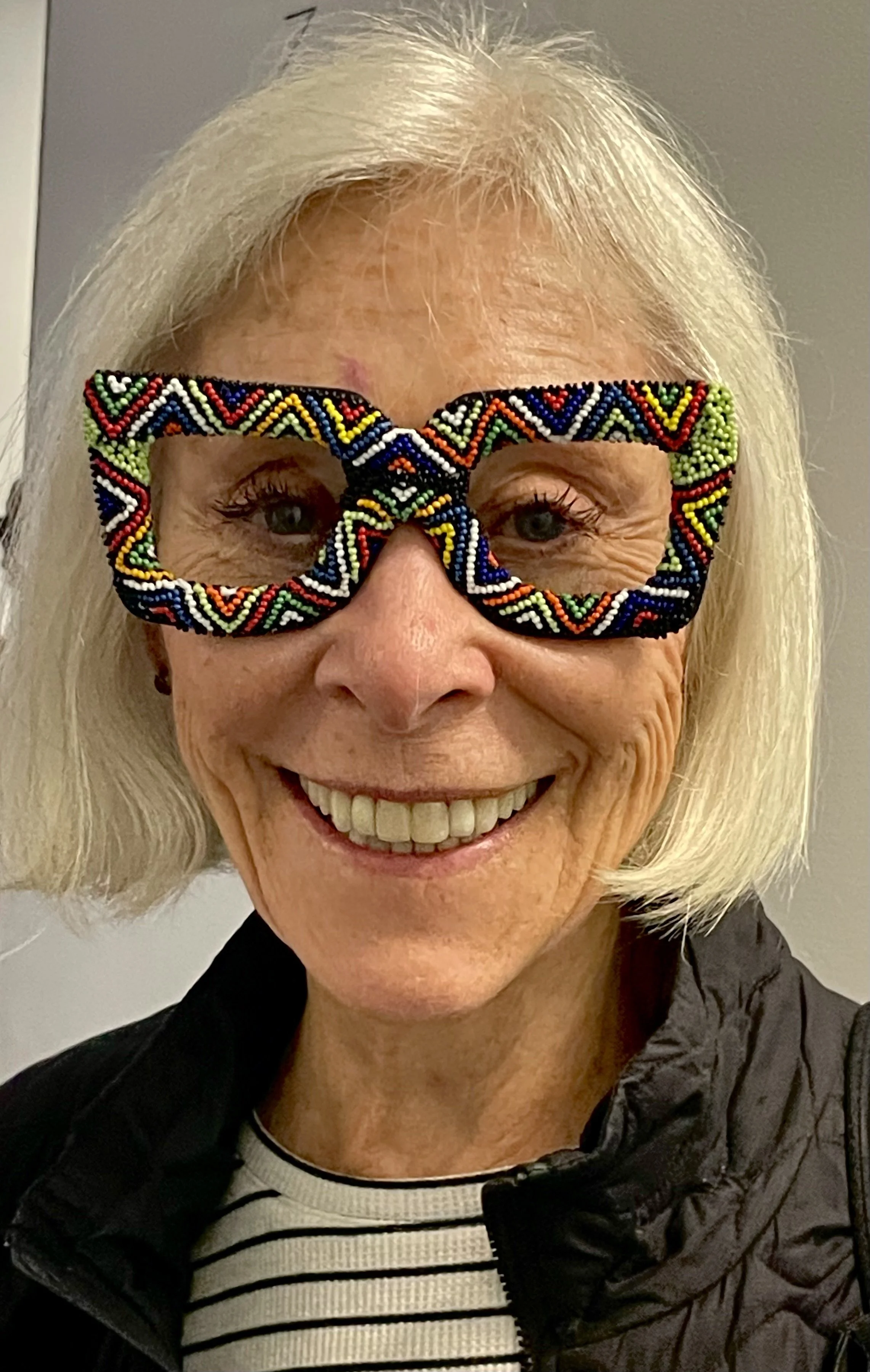
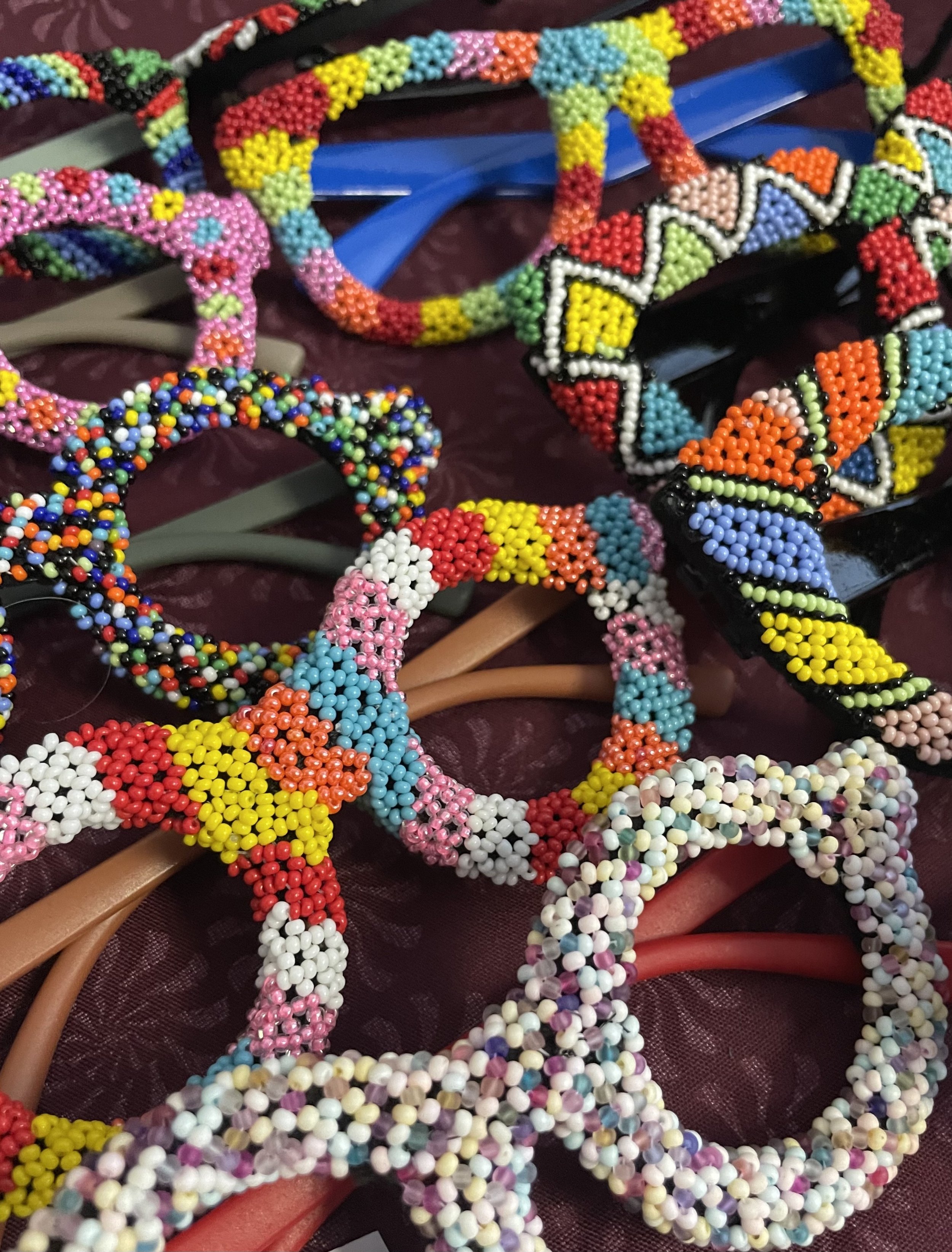
When we traveled east from Cape Town to Durban on the Indian Ocean coast, we discovered we were in a much more tropical climate. We spent a little time in the city, where we met up with Nozipho Zulu of ZuluGal Retro, whose beaded glasses and image have charmed Santa Feans for years! One of the projects championed by IFAM Board directors Marty Braniff and Karen Domenici is an eyeglass donation effort for artists and their families, and a photo of Nozipho decorates our donation collection boxes, catching everyone’s attention around town prior to Market.
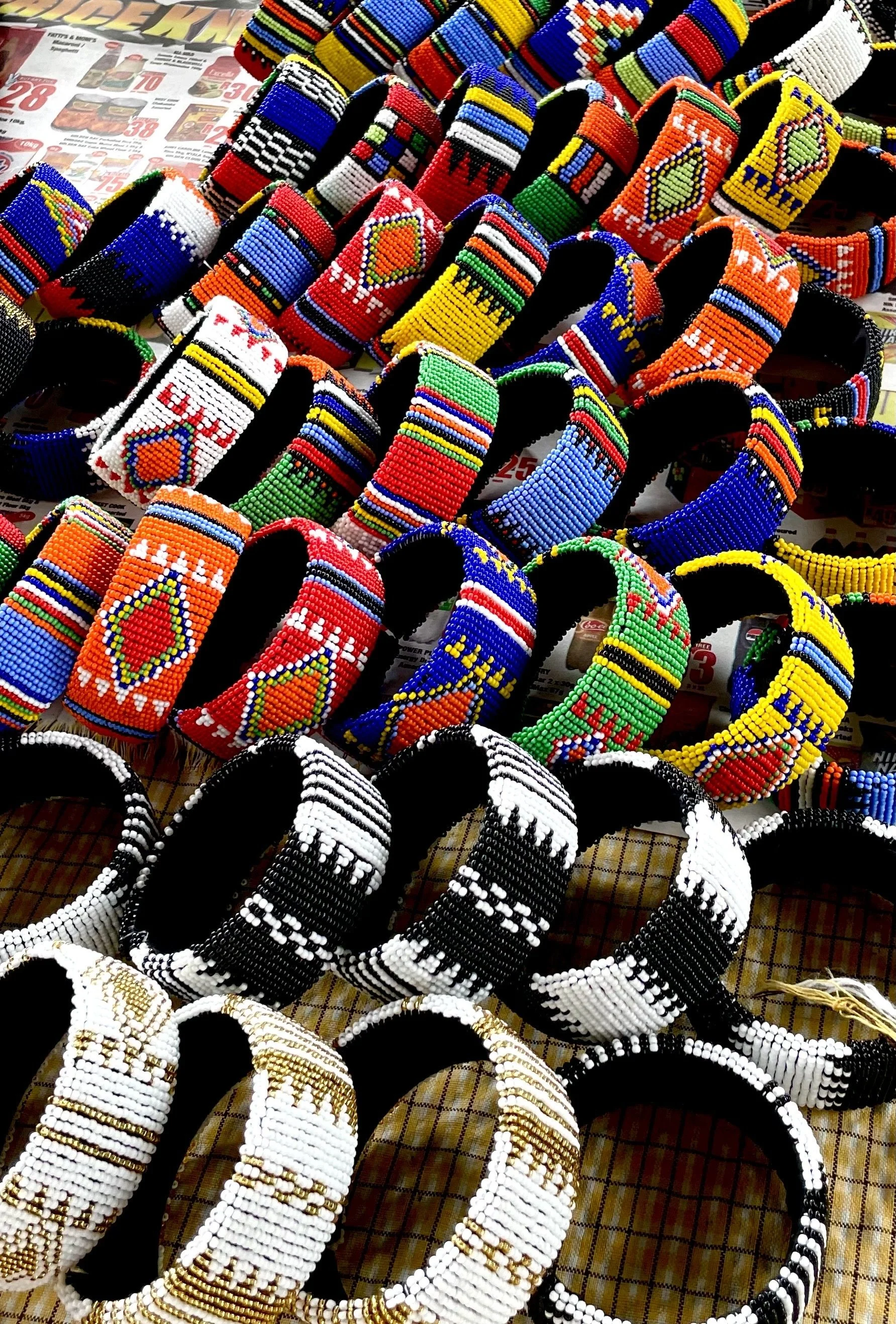
Also in Durban, we had the opportunity to visit the Bead Market, where makers from across the region gather to make and display their wares on blankets, much like scenes from Santa Fe’s Plaza. The artists are able to network with their peers, discover new techniques and patterns from each other, as well as sell to the public. It’s a crowded affair, with blankets side by side and covered with artwork.
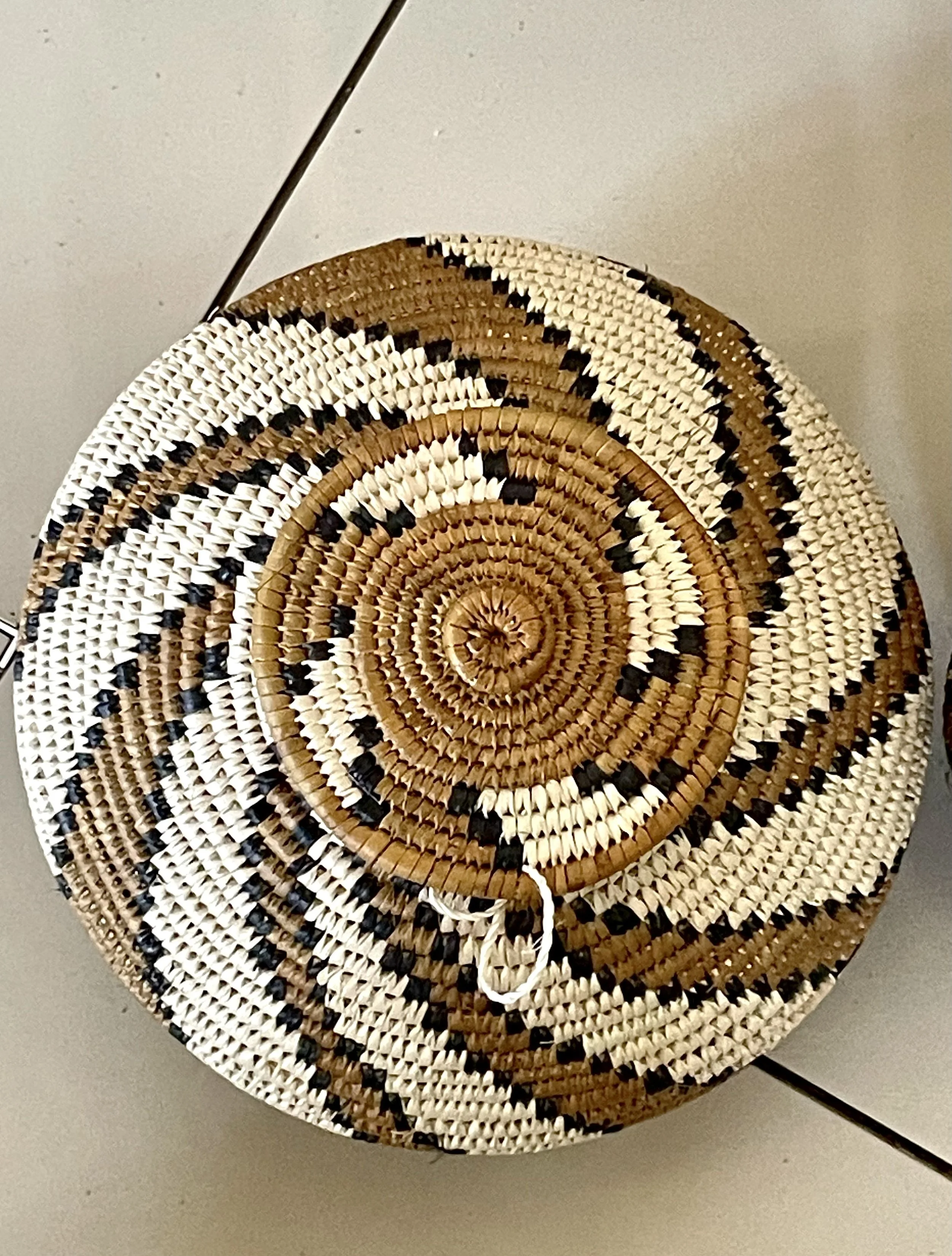
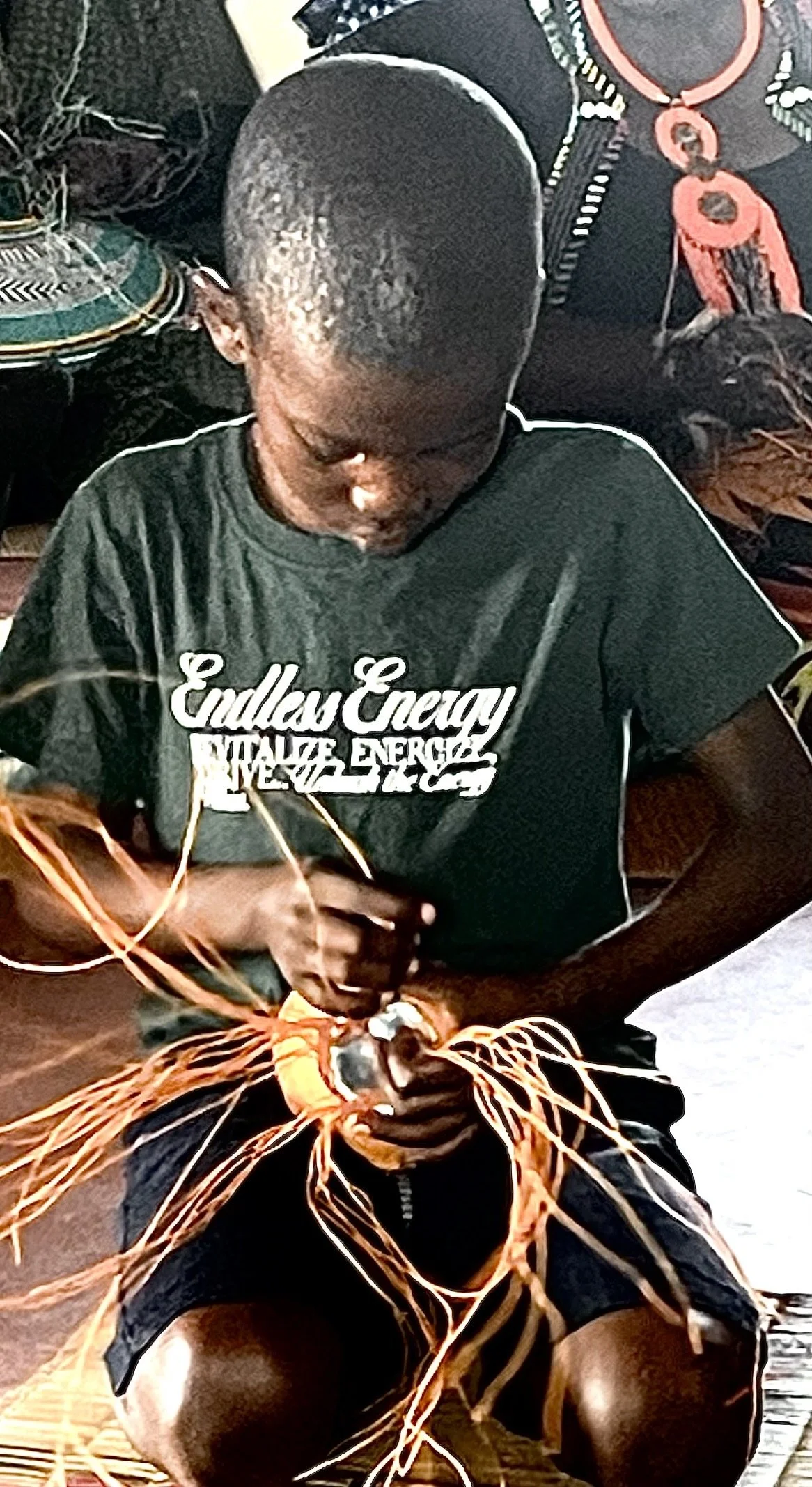
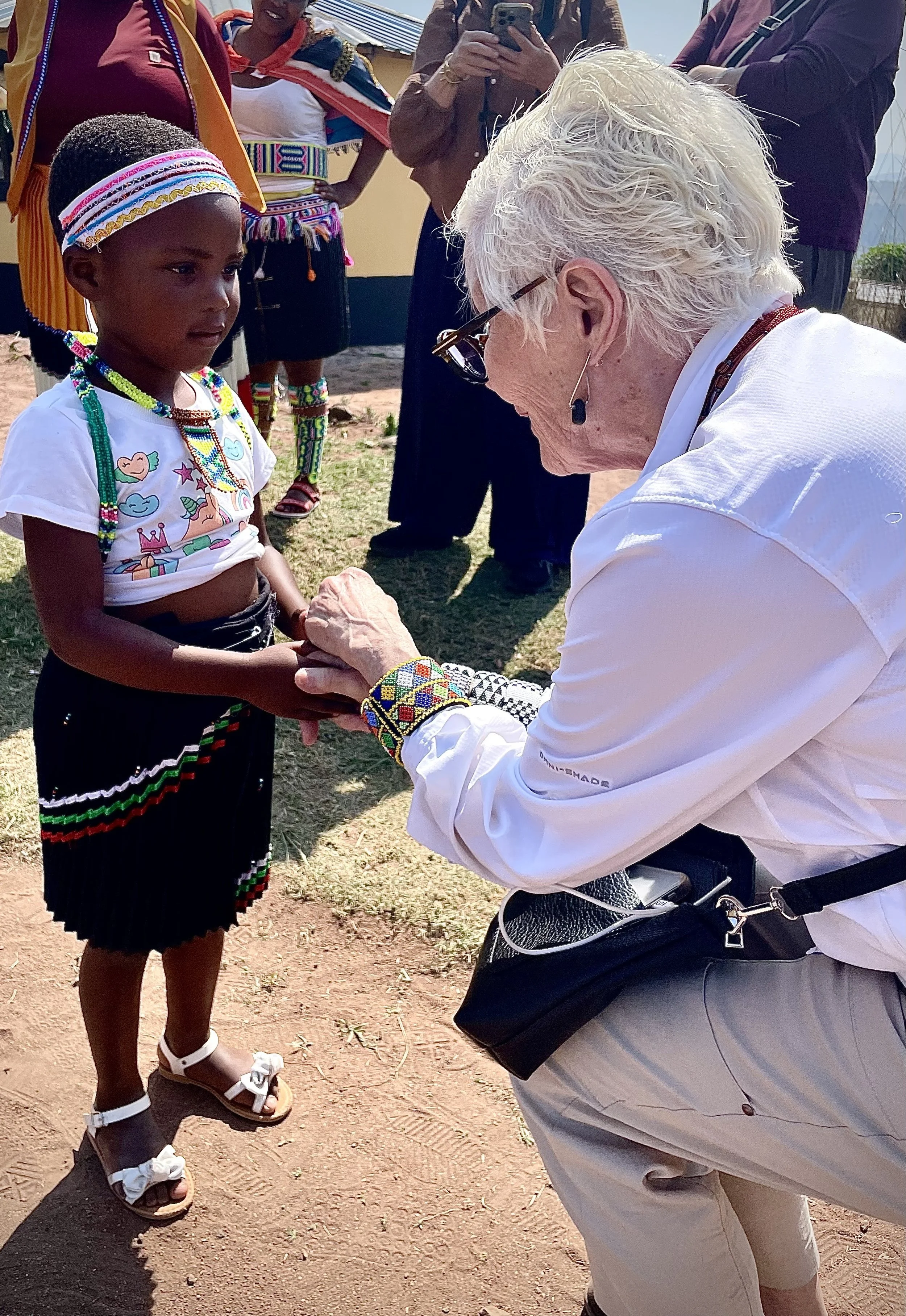
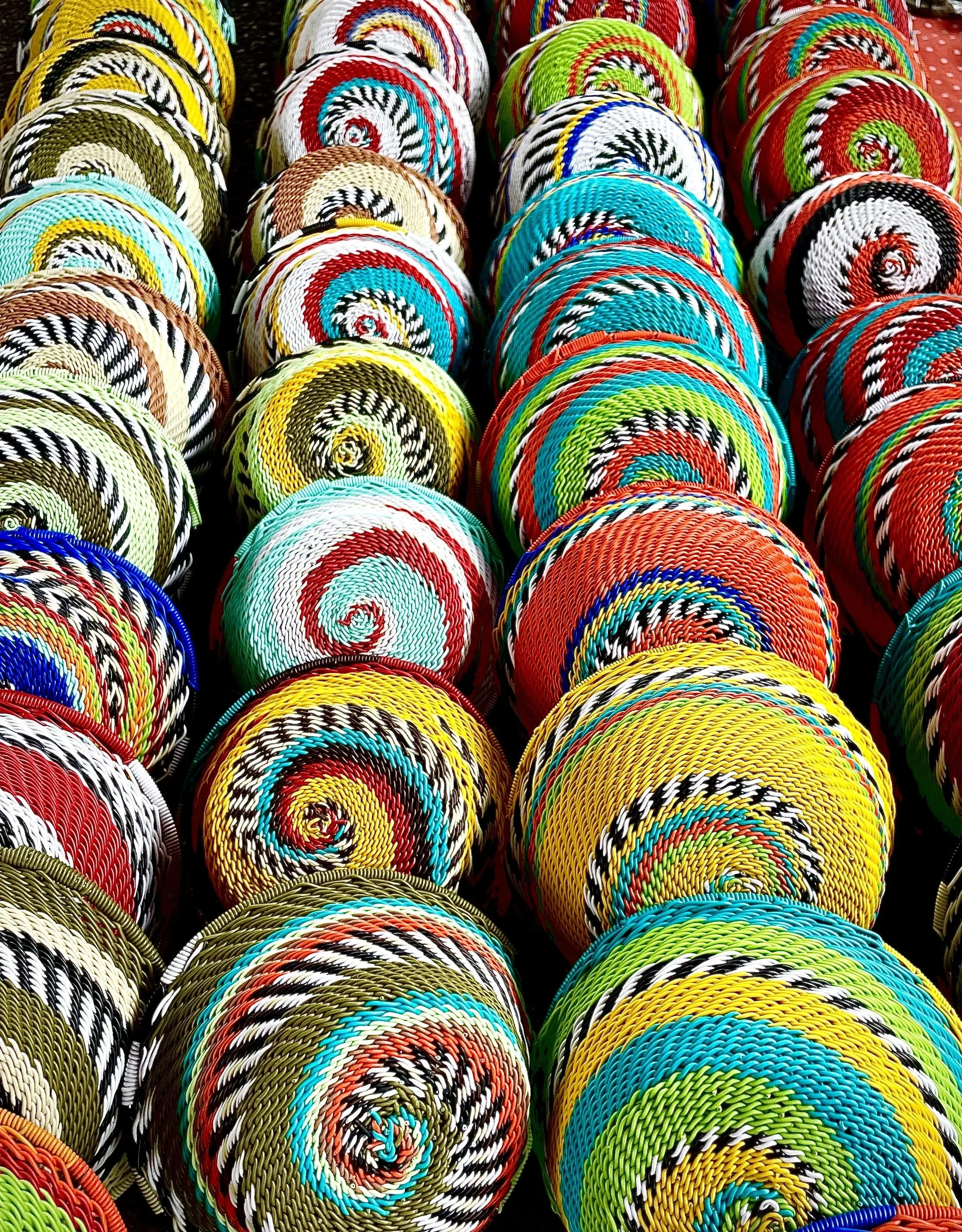
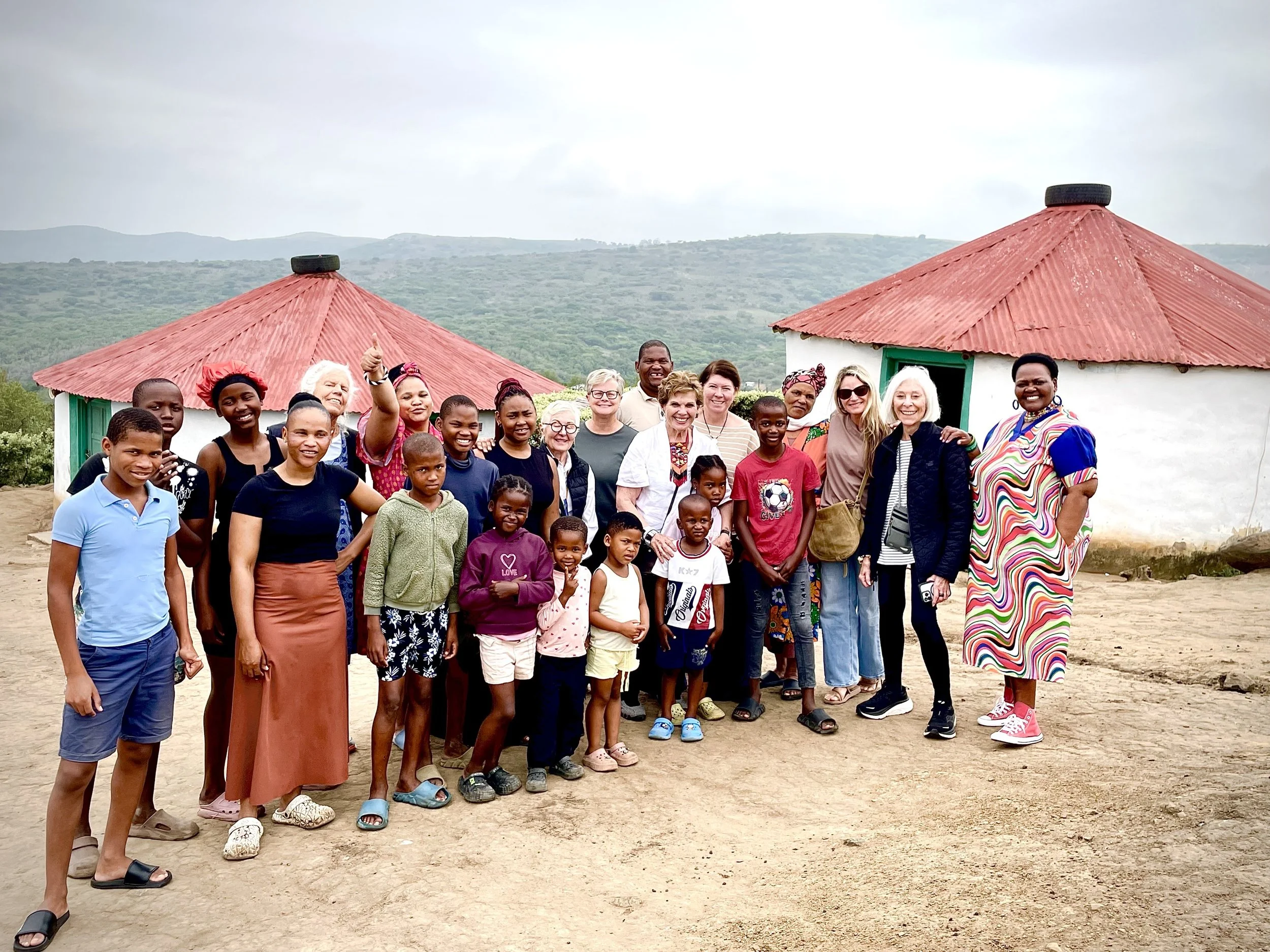
We made numerous trips out into the rural countryside to visit IFAM artists from both Durban and Eshowe. One memorable day took us northeast of Dalton where we visited the KwaZulu-Natal Weavers, originators of the art of telephone wire basketry, in their home village. After a long drive through the haze of burning sugar cane fields, we arrived and were met with the joyous weavers ululating and dancing in an inspiring, heart-stopping greeting.
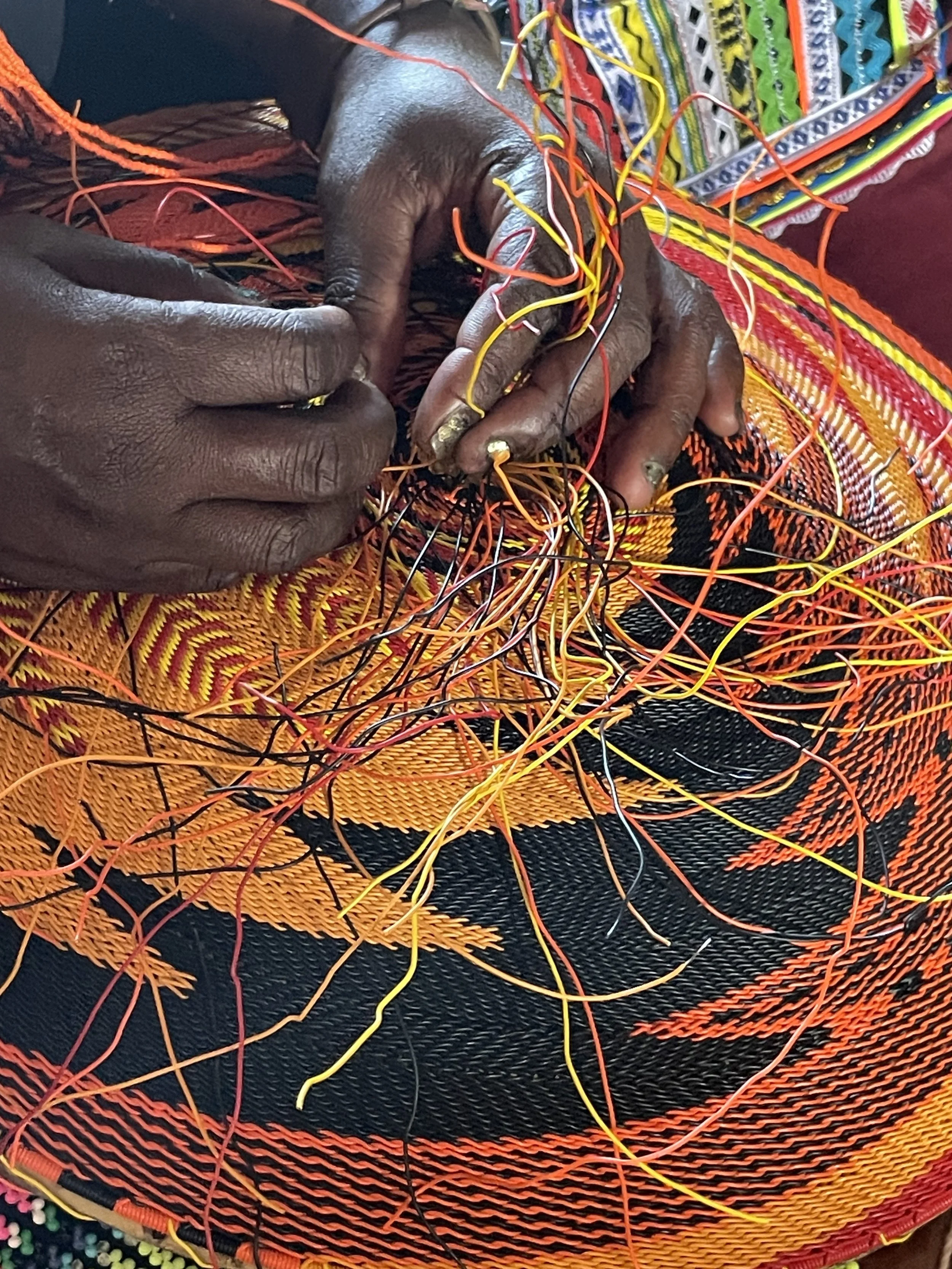
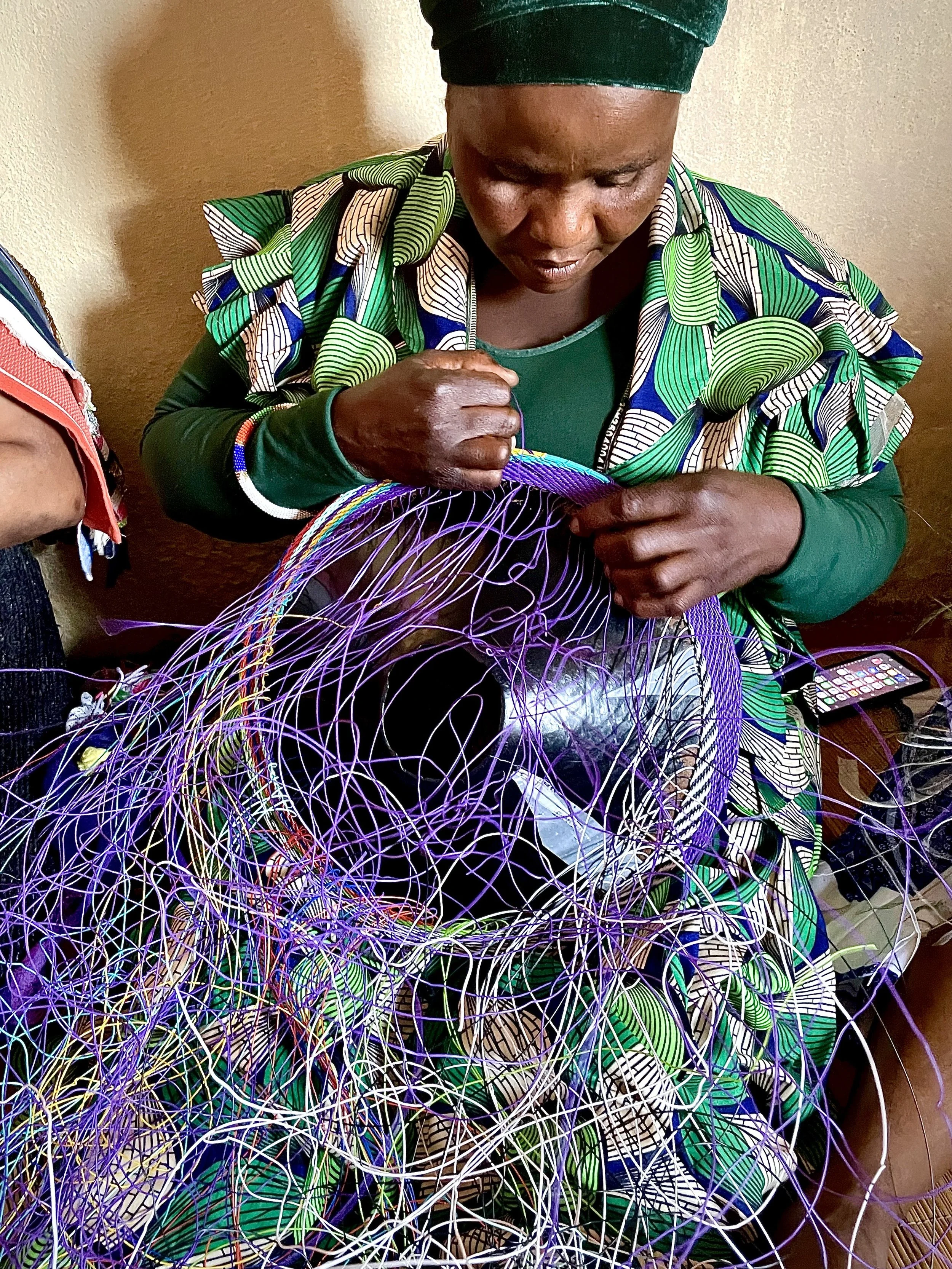
We spent several hours with them, learning about their artistic journey, craft, homes, and culture. Their chief learned our group was visiting, so he made a detour just to come meet and speak with us. We were treated to a traditional lunch which was quite the spread…pap, yams, cow’s head meat, vegetables, and Zulu beer (which only I was brave enough to try). Multiple generations of weavers demonstrated their techniques, giving us the opportunity to see how baskets are started and all of the stages through to the finished product. Needless to say, at the end of the visit, nearly all of their existing inventory disappeared into our van!
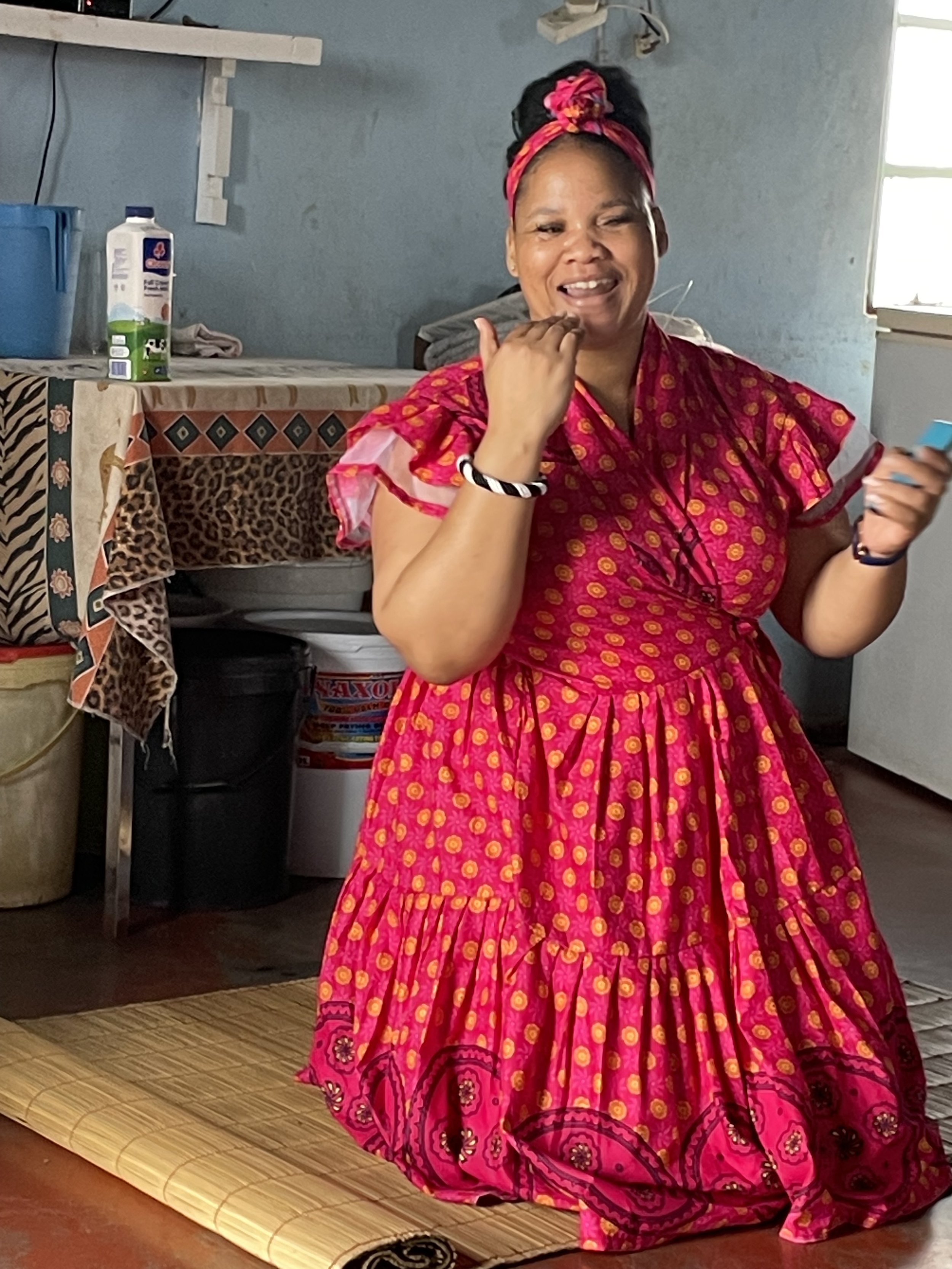
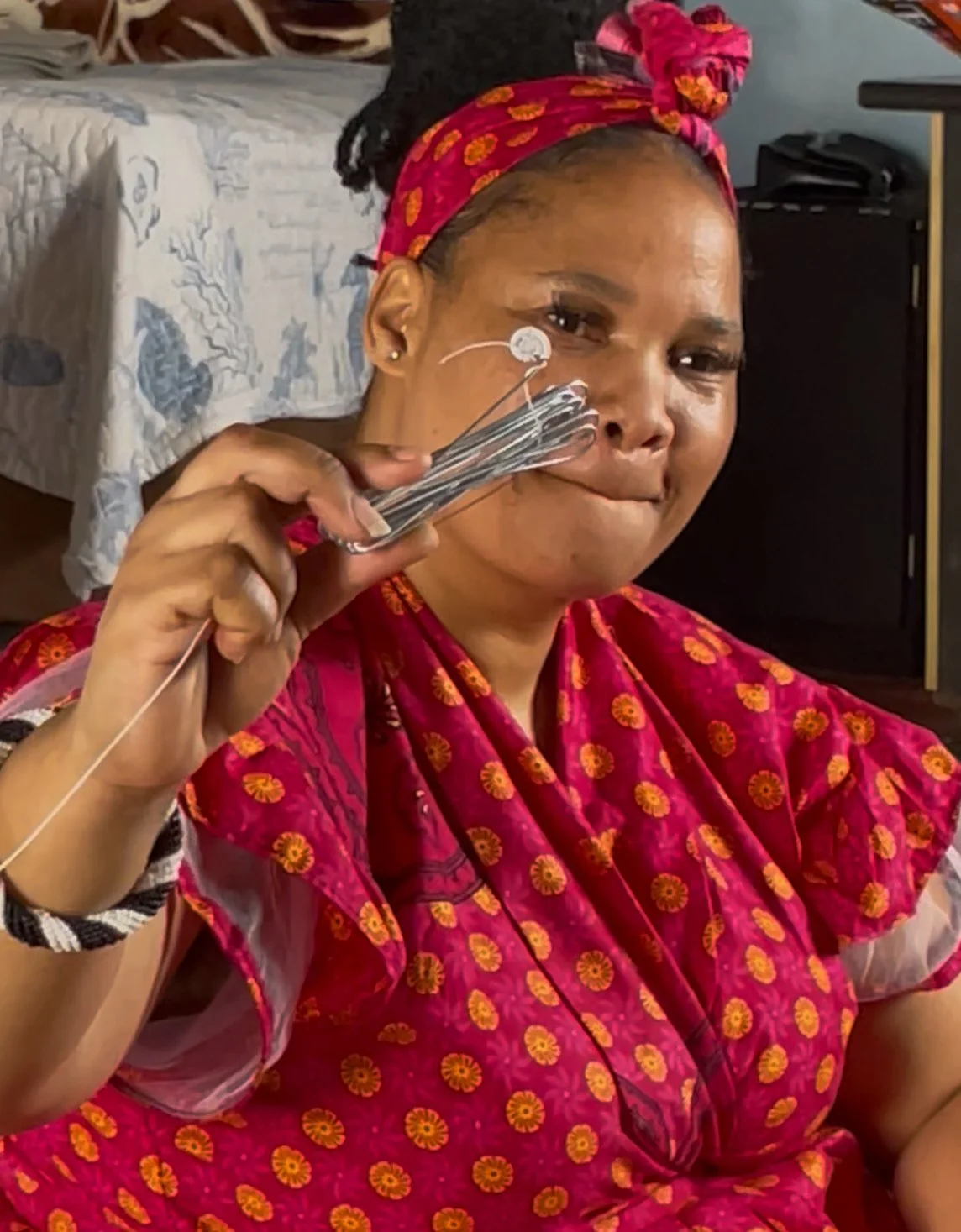
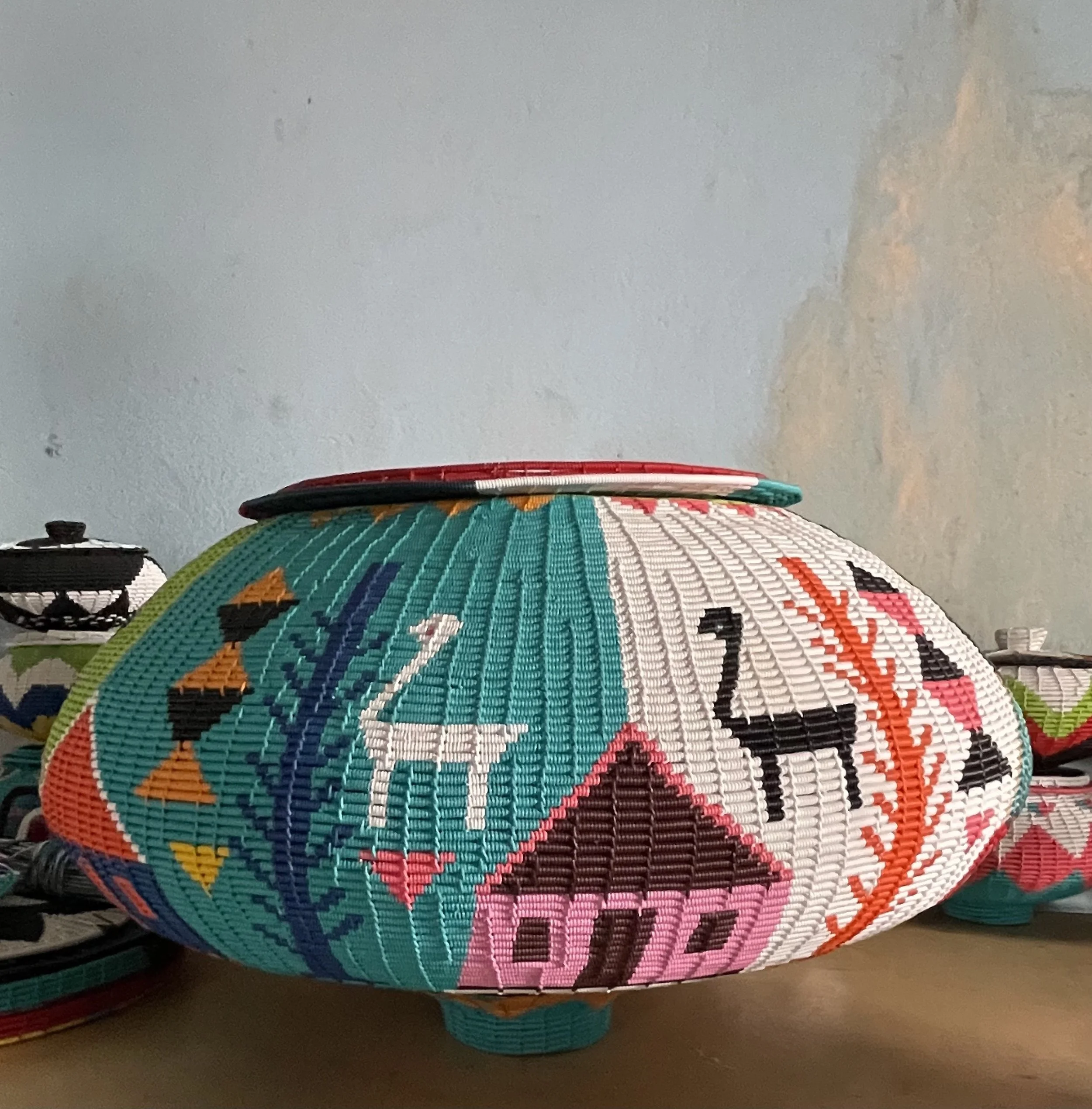
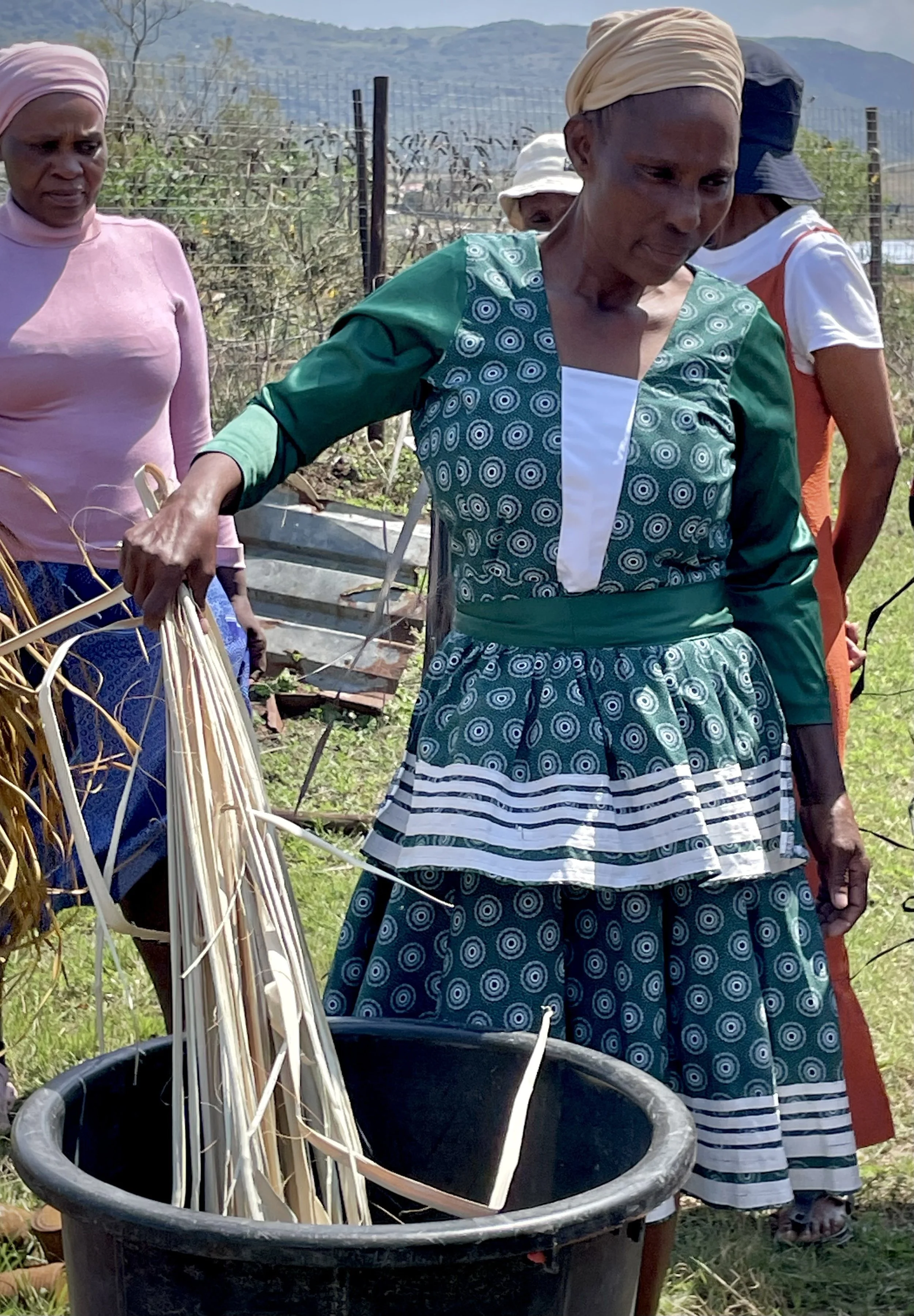
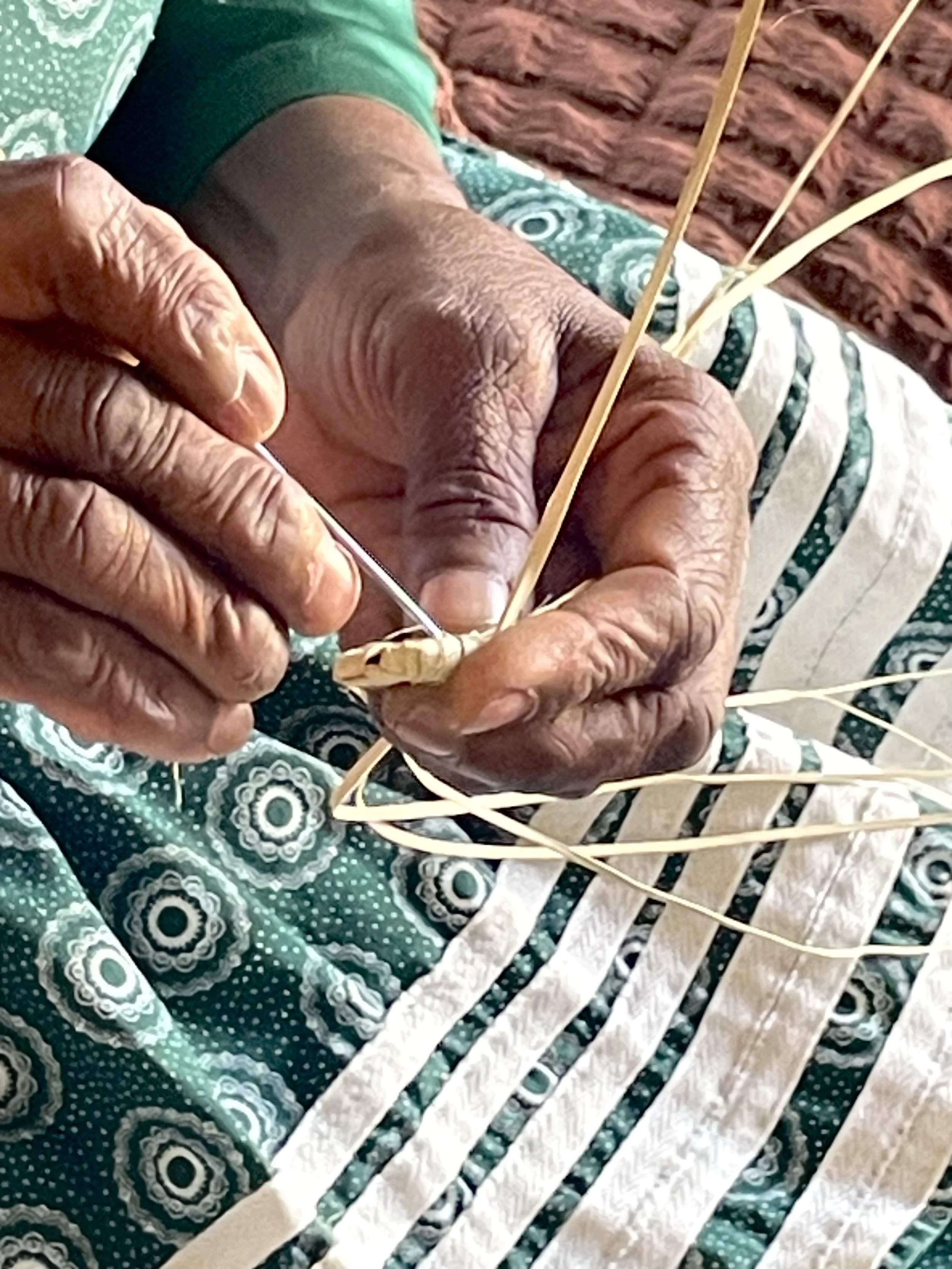
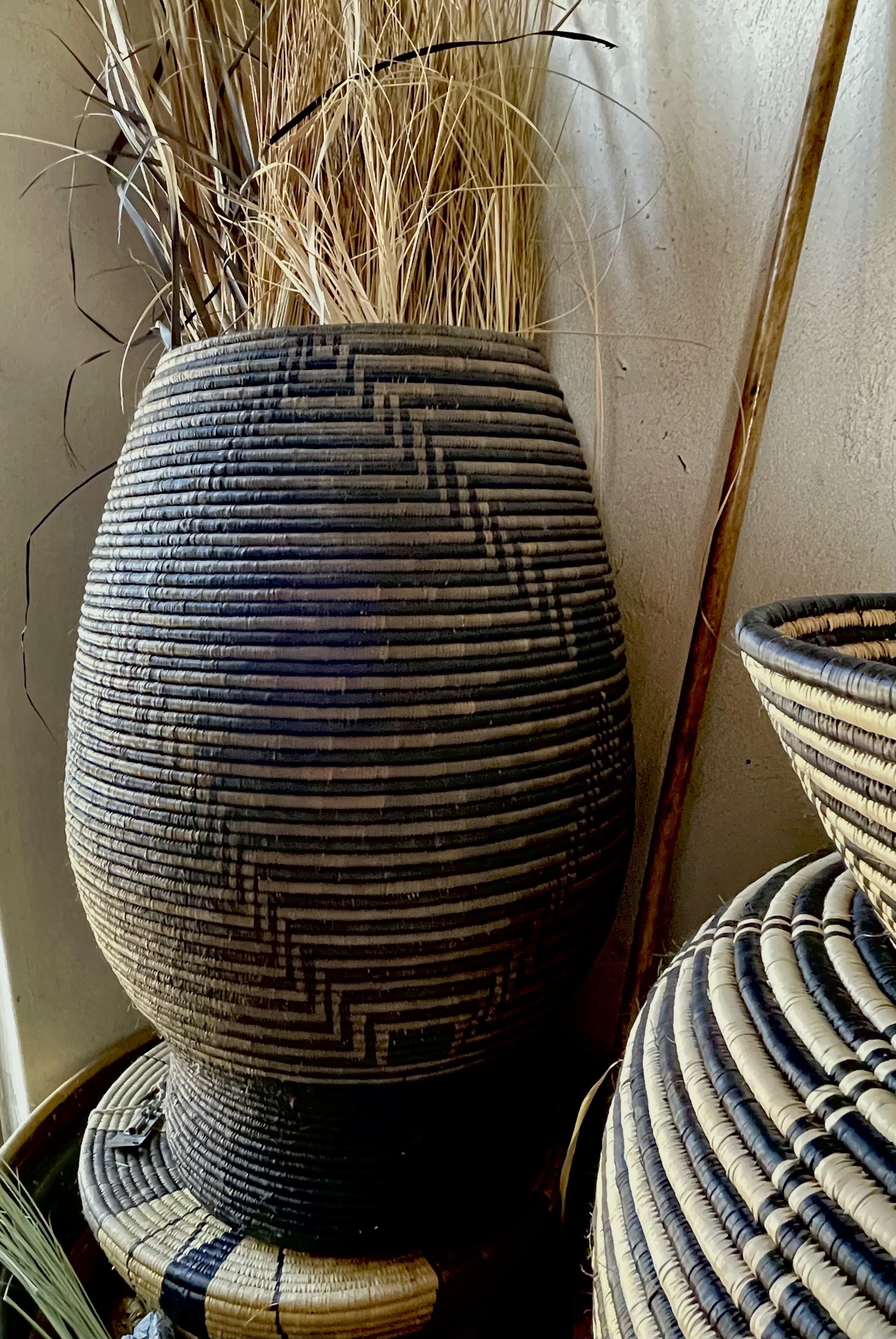
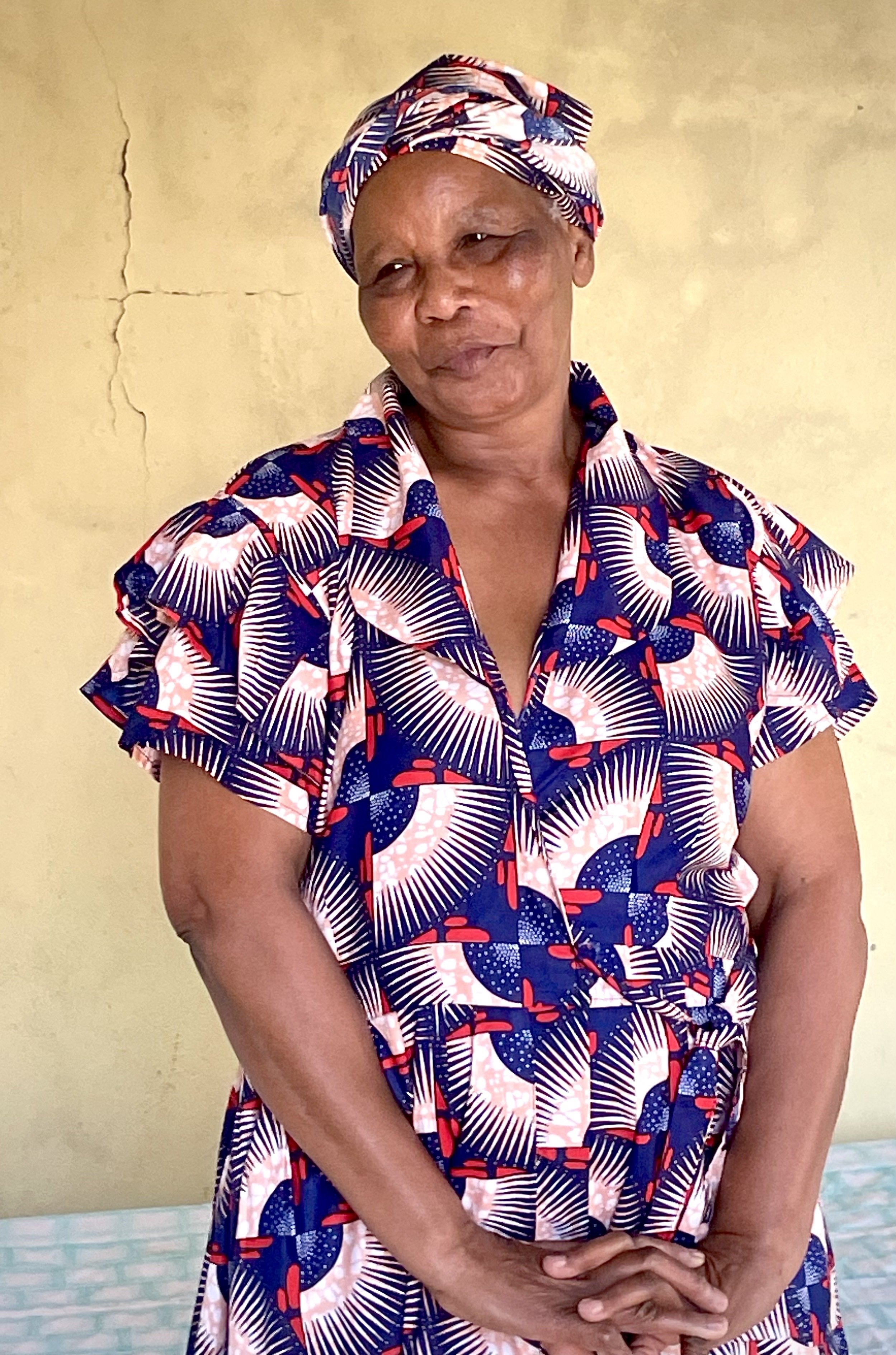
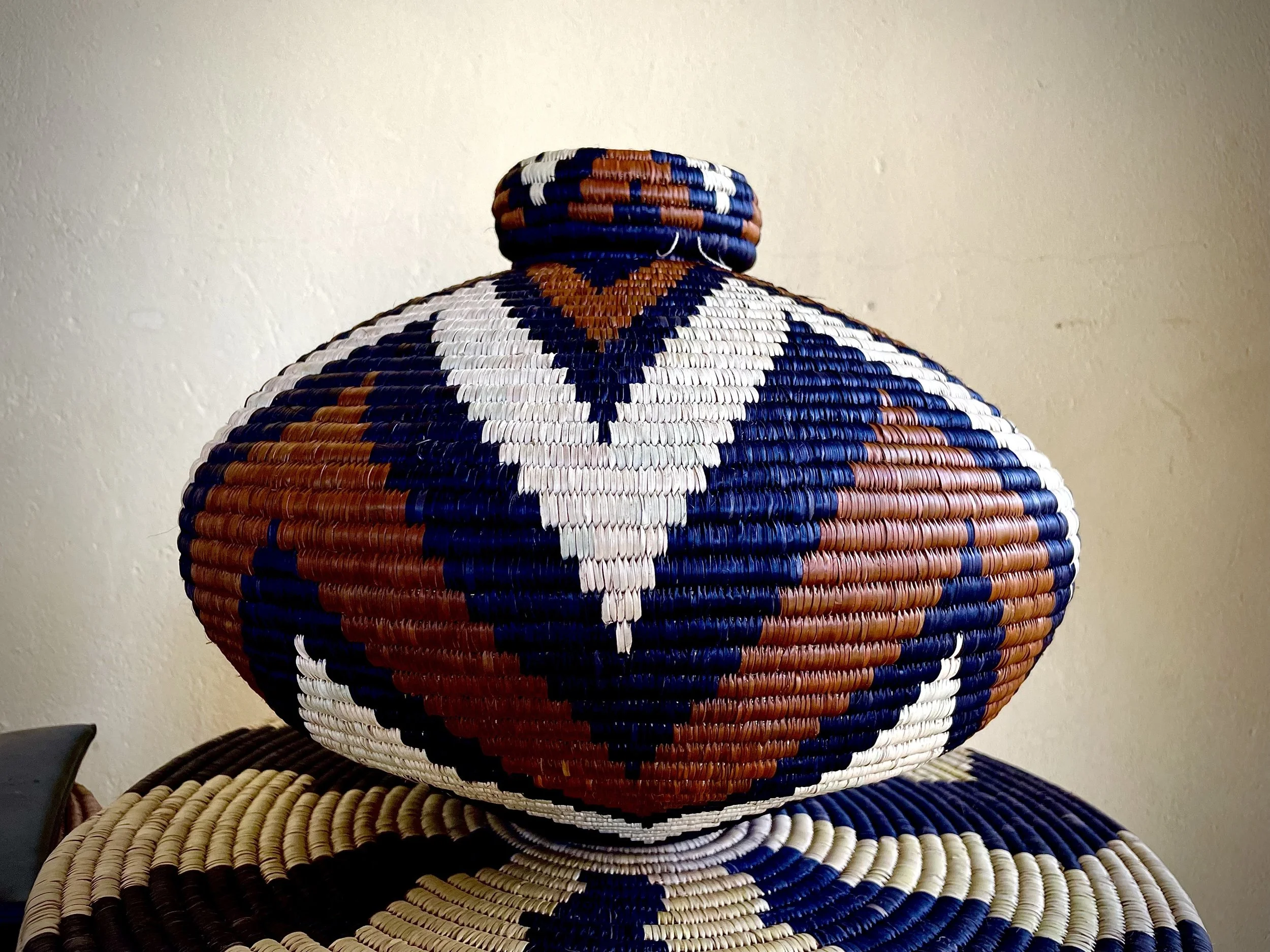
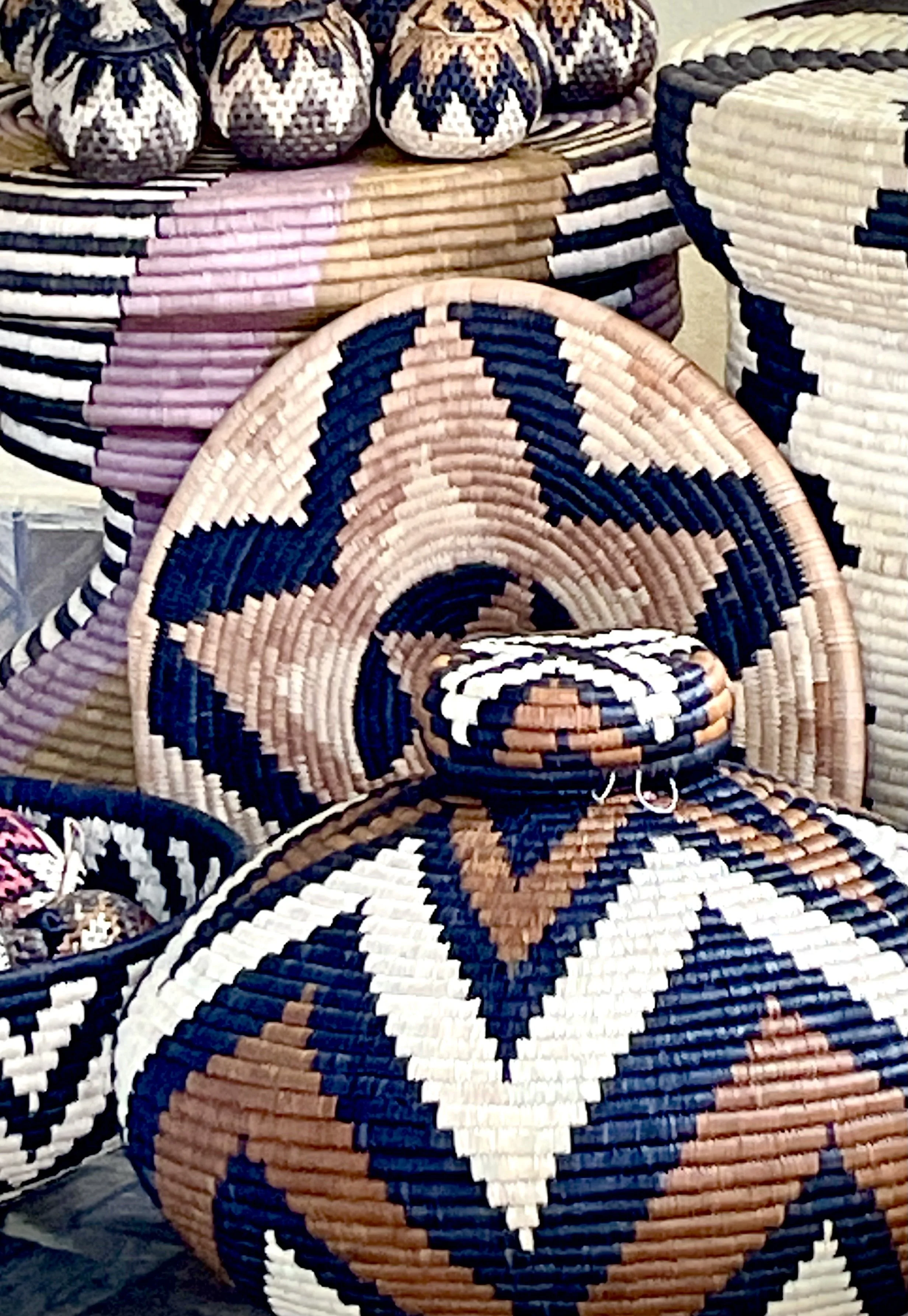
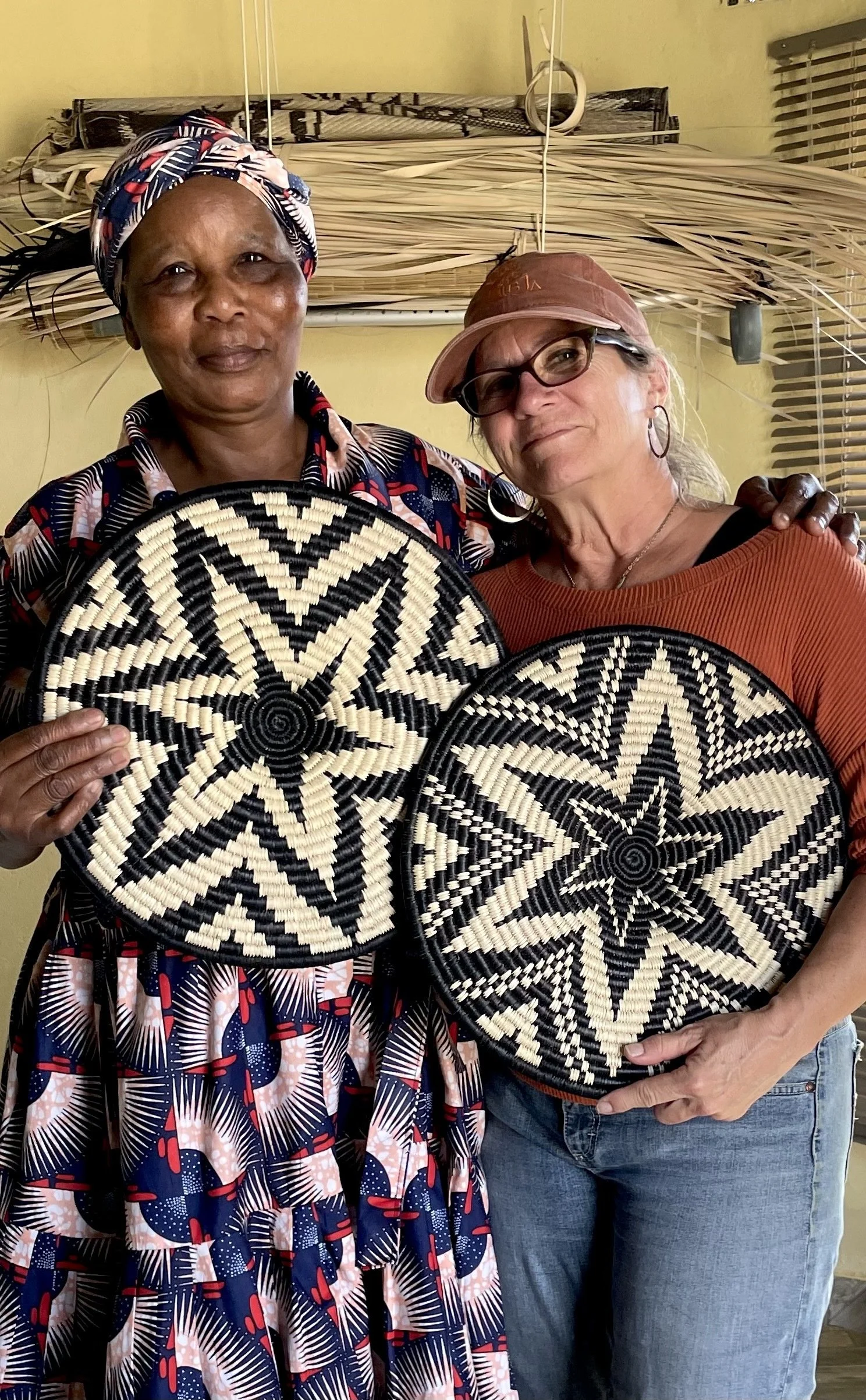
On another excursion, we drove out to visit Nomcebo Ntuli, who also makes telephone wire baskets. Nomcebo was invited to IFAM in 2026 and was thrilled at the prospect, but was unable to procure a visa, which devastated her. She very much hopes to be re-invited if not this coming year, then soon. In the meanwhile, she will be creating baskets using a frame of galvanized wire, which makes the baskets heavier than other framing methods. She demonstrated how to start a basket from scratch and told us the story of when she began learning to weave; her first project was a huge, intricate basket weighing more than ten pounds. She learned a lesson from that and has since tempered her creative instincts.
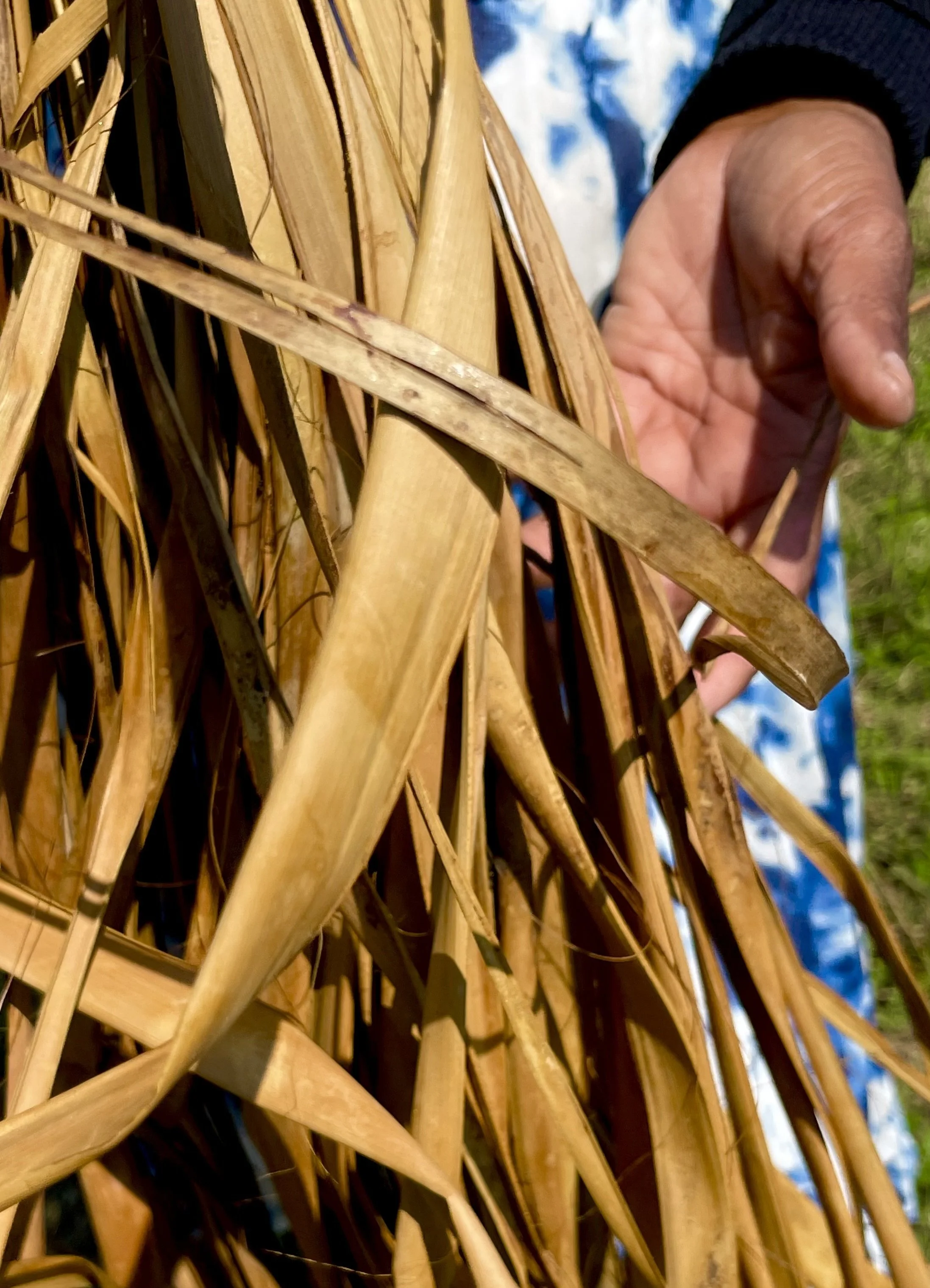
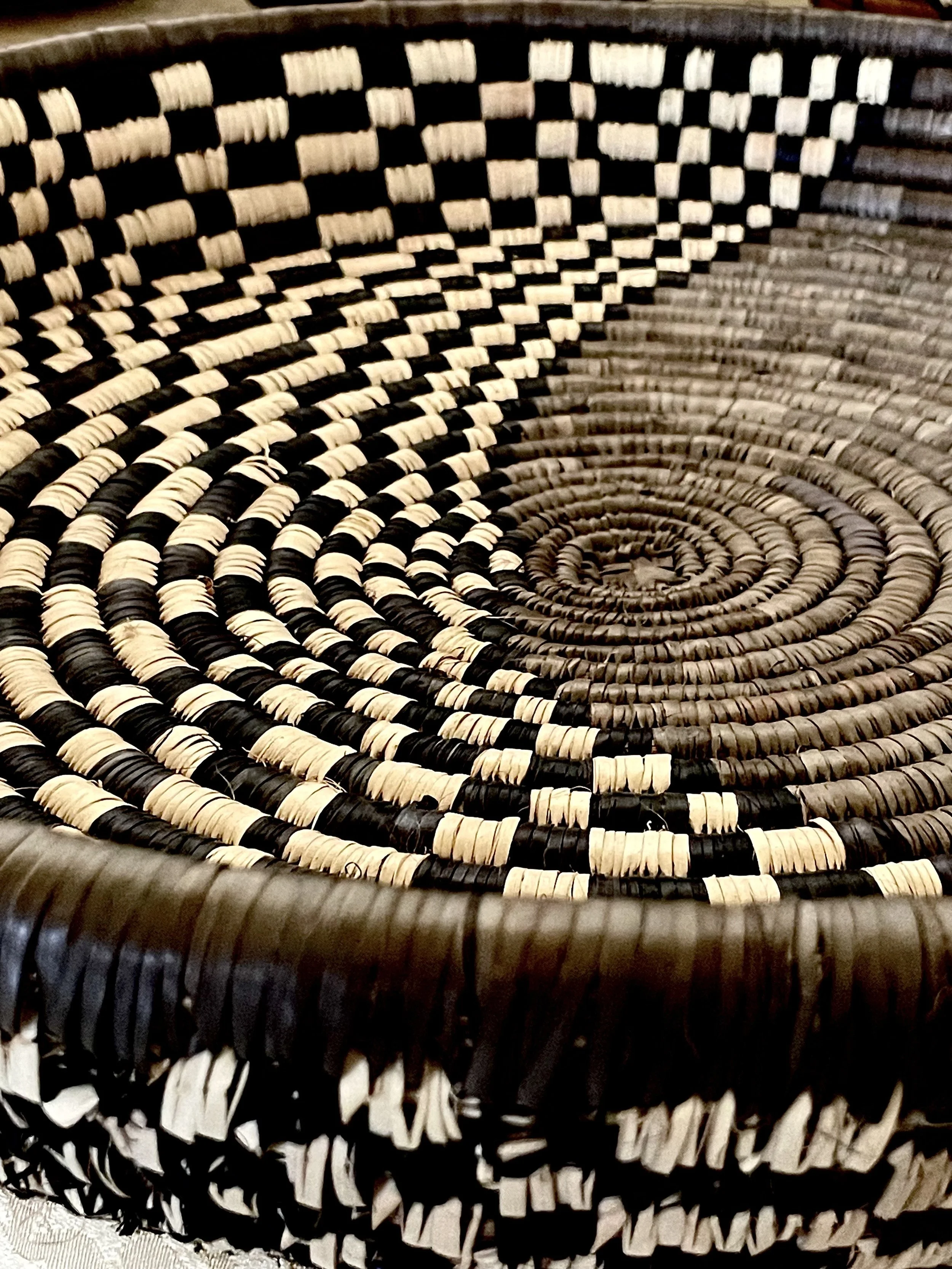
The education continued when we visited Angeline Boniswe Masuku and Beauty Ngxongo that same afternoon at their homes outside Hluhluwe, a small town near Hluhluwe–iMfolozi Park, the oldest game reserve in the country. Both Angeline and Beauty work with ilala palm to create intricate, beautifully-shaped baskets which have captivated IFAM customers in Santa Fe. Angeline demonstrated how to process the palm from raw material into weaving material, which involves boiling, drying, and separating the leaves. It was interesting to discover the means by which different colors were obtained, be it by adding certain roots to the boiling step to turn the leaves black, or rusted tin cans to impart a gorgeous, warm chestnut brown. Angeline is a master of processing the palm leaves, and other artists in the area, including Beauty, will often come to her for weaving materials. But no matter who is creating the baskets, the final products from both women are absolutely stunning!
On our journey, we also visited several artists who have not yet been invited to IFAM but have been encouraged to apply for consideration.
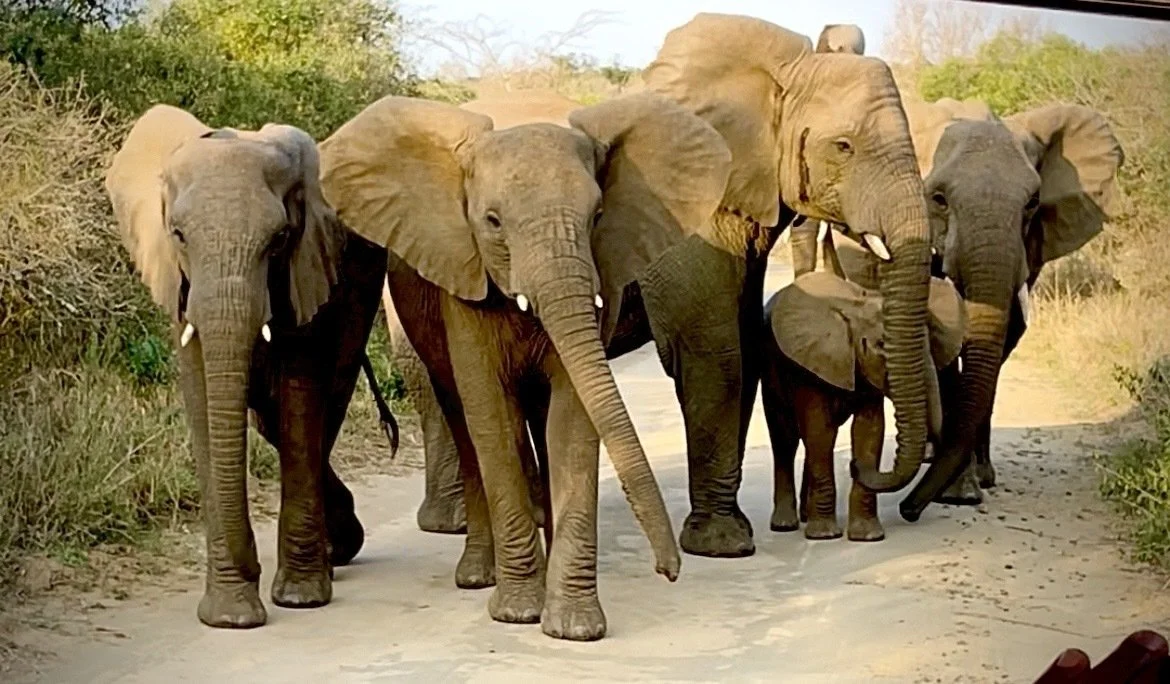
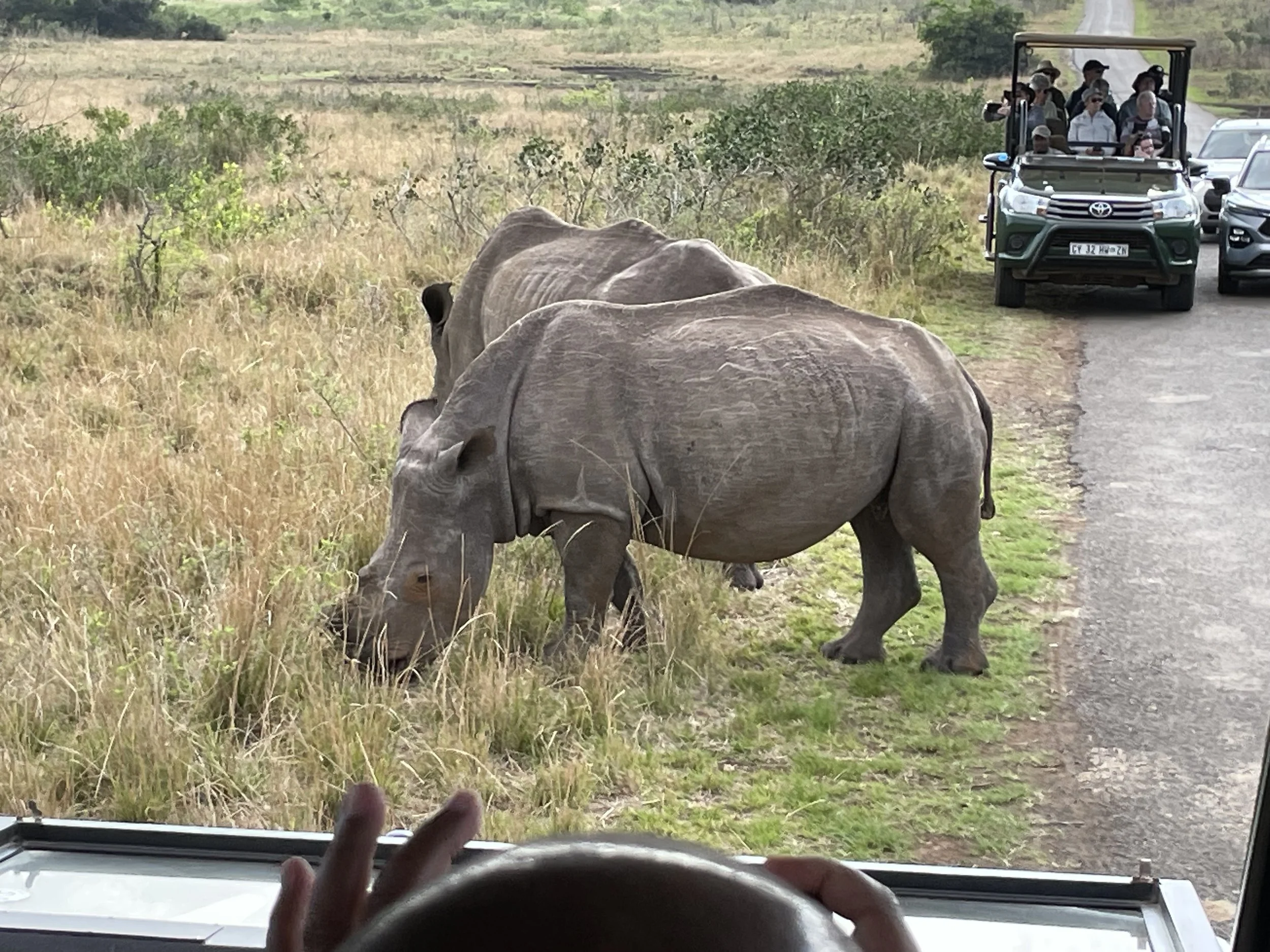
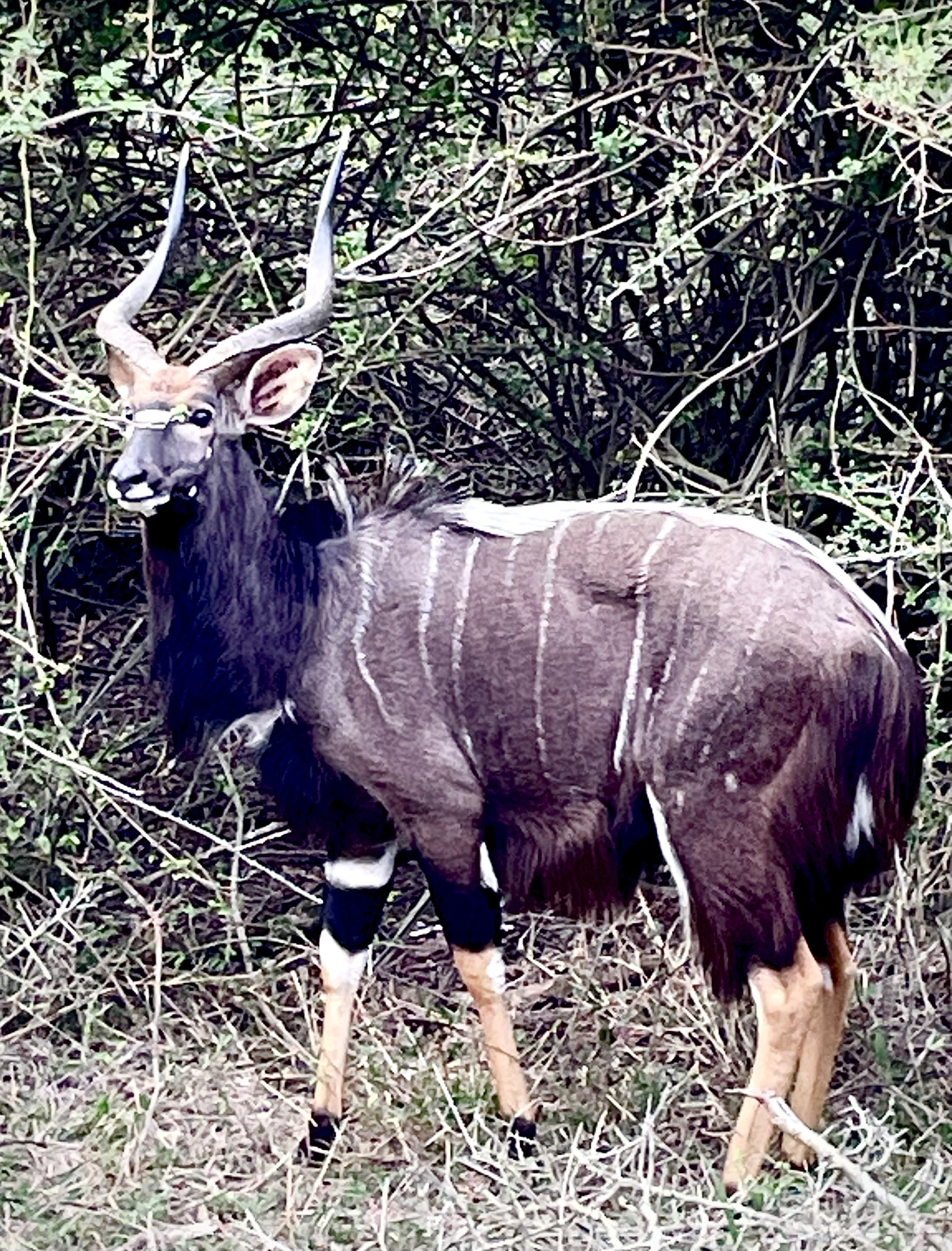
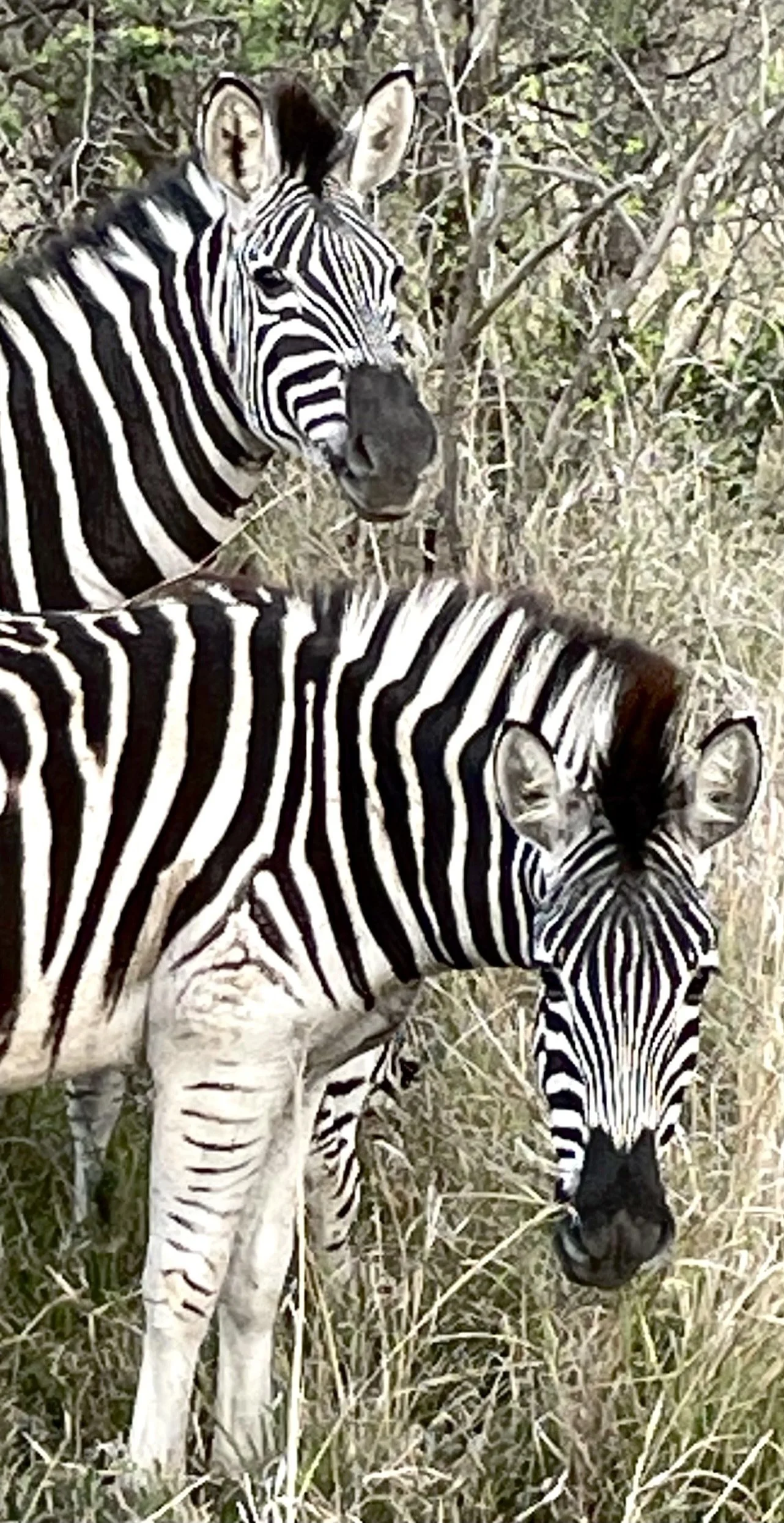
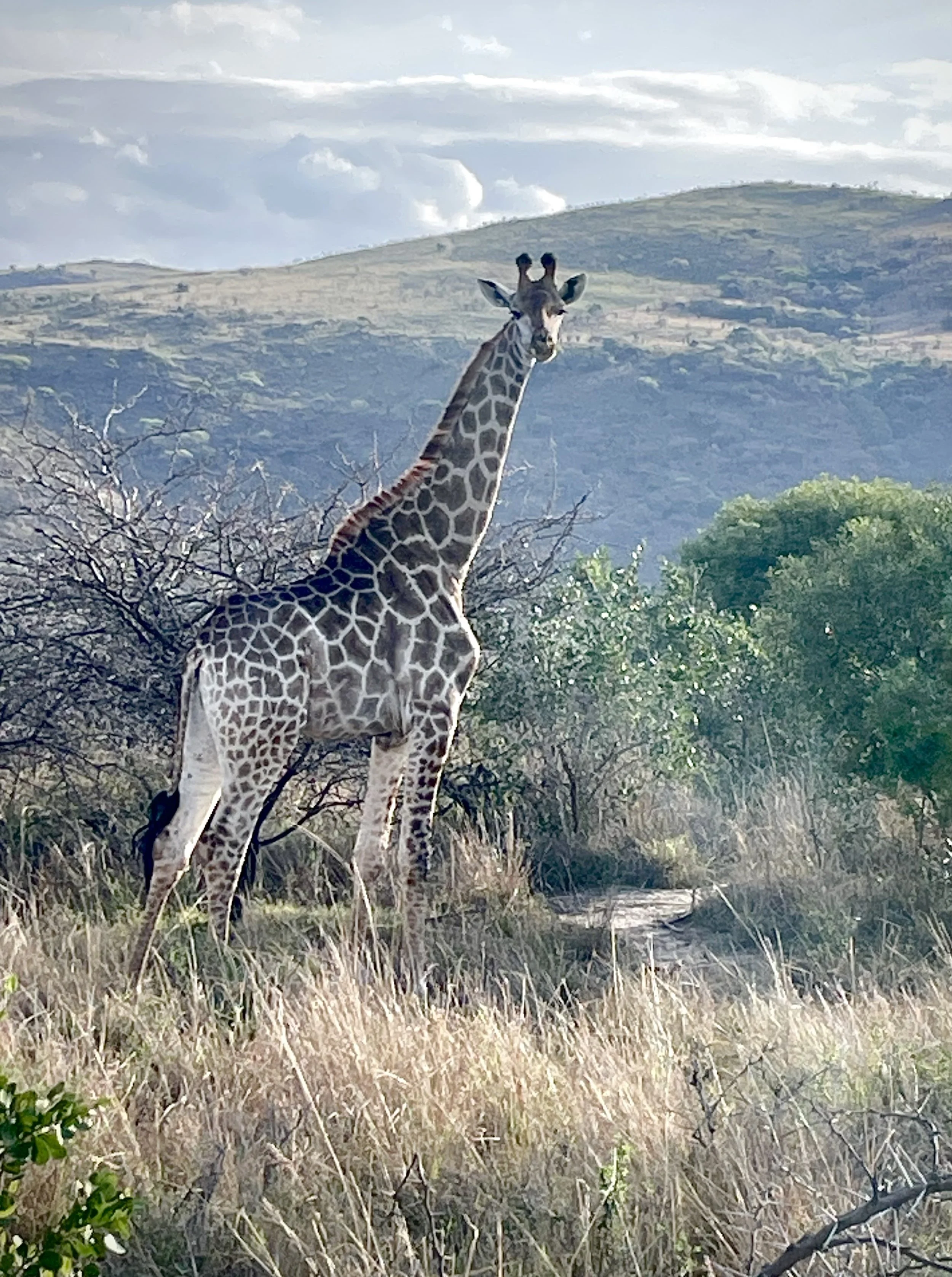
Three things (besides the artists) that absolutely captivated me during this trip were the food, the wildlife we saw on safari, and the Zulu people. I insist you absolutely have to try Shakshaka, a spiced tomato and egg breakfast dish, and Bunny Chow, a quarter-loaf of bread, hollowed and filled with curry! We did not have a single meal leaving us wanting the entire trip. We were blessed to go on safari with Rhino Ridge, and at one point found ourselves surrounded by elephants blocking the road for nearly a half hour…what excitement!
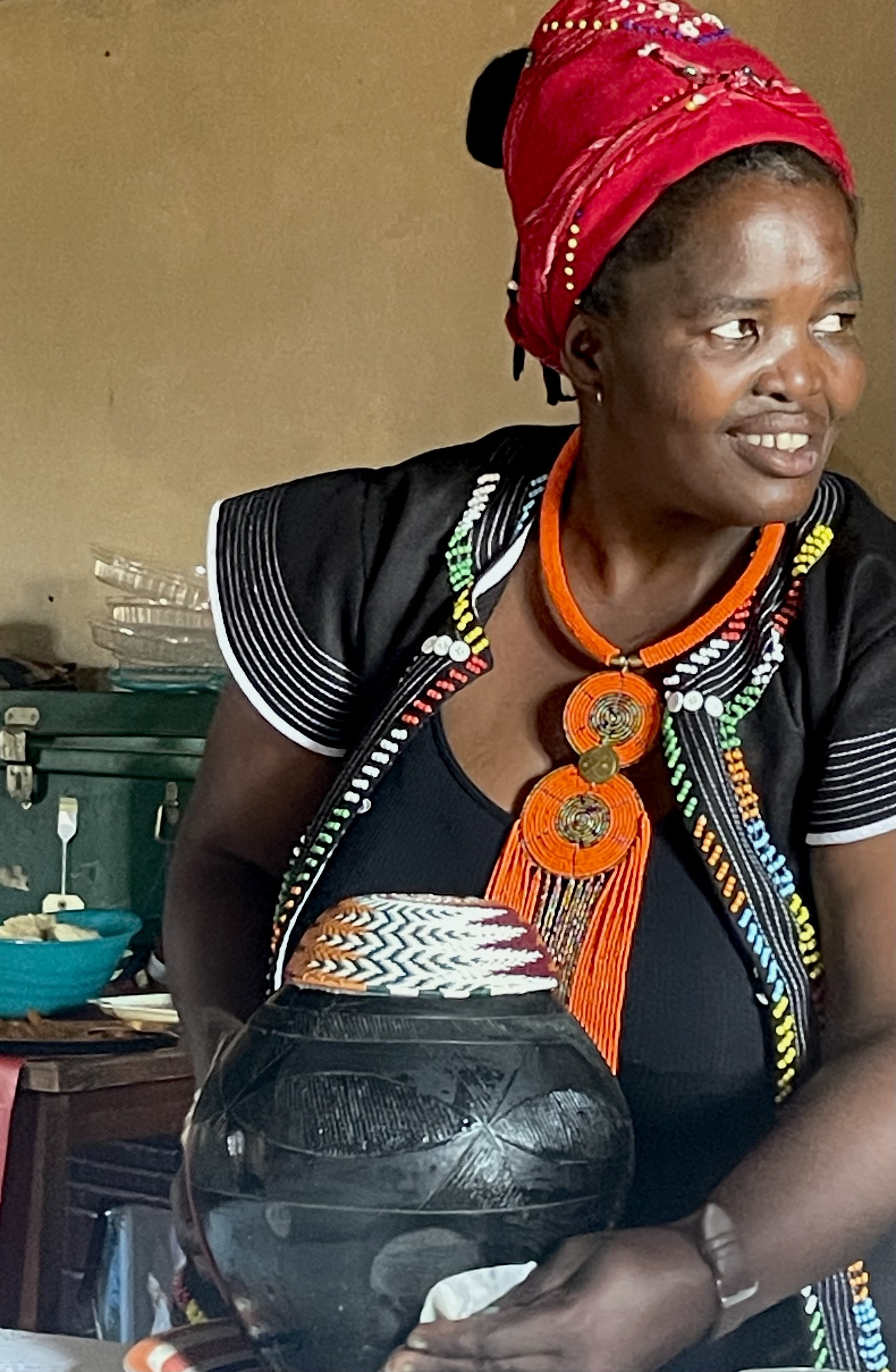
But the Zulu people were probably the best part of the whole trip. I’m not sure I have ever met a friendlier, more welcoming culture than I did on this journey to South Africa. From the artists and their families to our guide, Thoko, and our driver, Sifuso, I feel as though I found a second home. If you also enjoy learning about other cultures and making intimate connections with artists, I am not sure I could recommend a better way to accomplish this than taking an IFAM Passport to Folk Art trip.
Photos courtesy of Leigh Maddox.
A few more photos from the trip!