The Zienzele Foundation
Zimbabwe | Shona Basketry
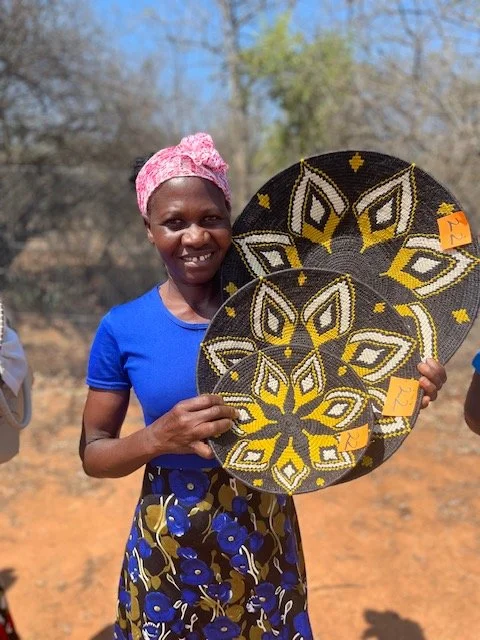
The Zienzele Foundation works with women’s basket-weaving cooperatives in the Chivi South District of Zimbabwe, a rural, majority Shona-speaking region where access to paid work has long been limited. Basket weaving here is a traditional skill, passed down through generations of women using locally gathered grasses, sisal, and natural dyes.
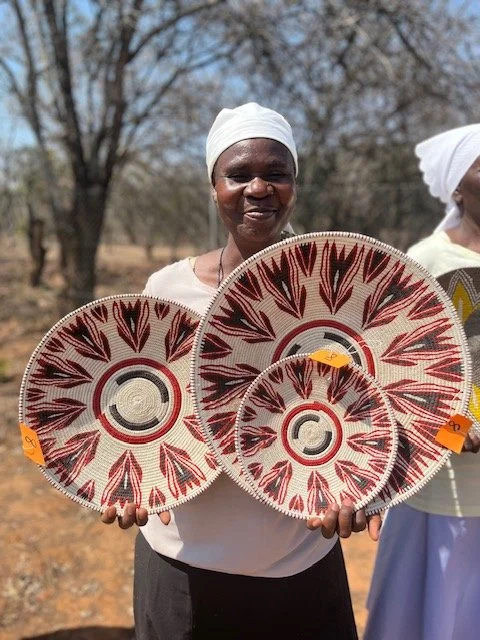
When Zienzele began its work, only a small number of older women still knew how to make these baskets. Those women taught younger generations, and over time the practice grew into a network of cooperatives which now includes more than 350 women weavers working across multiple villages. What began as a way to cover school fees for children in their care has developed into a significant source of income, influence, and creative expression for women in the region.
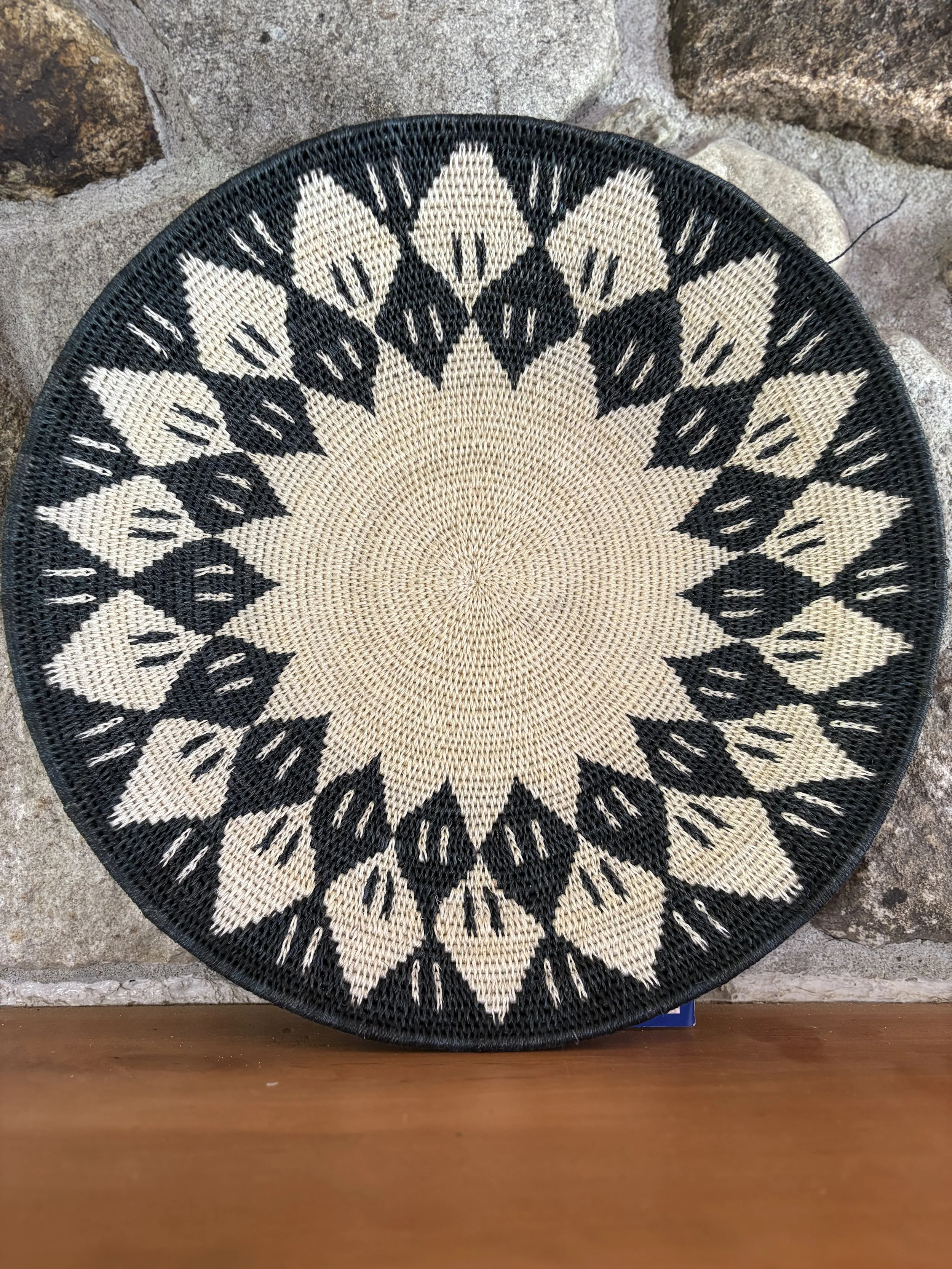
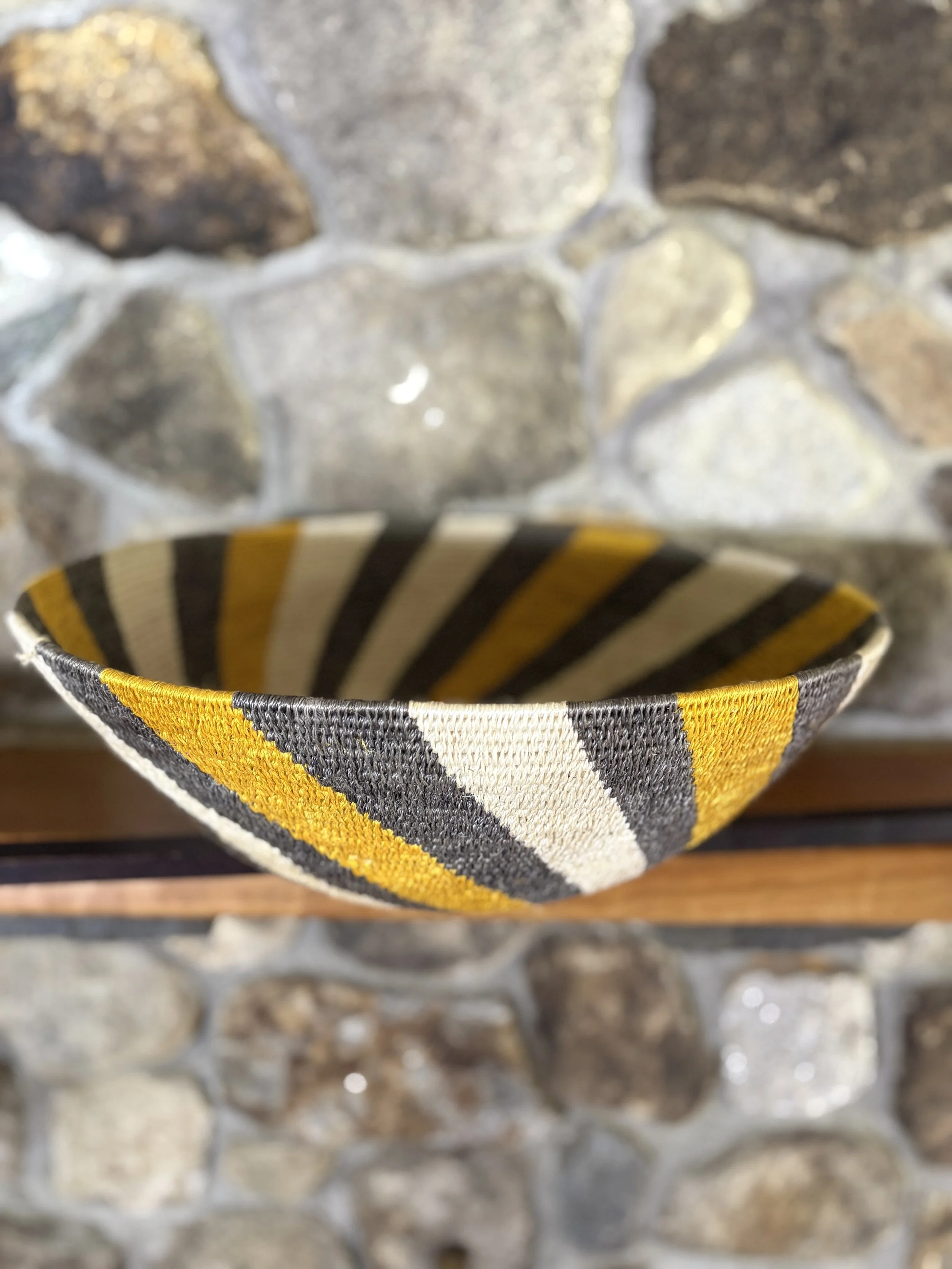
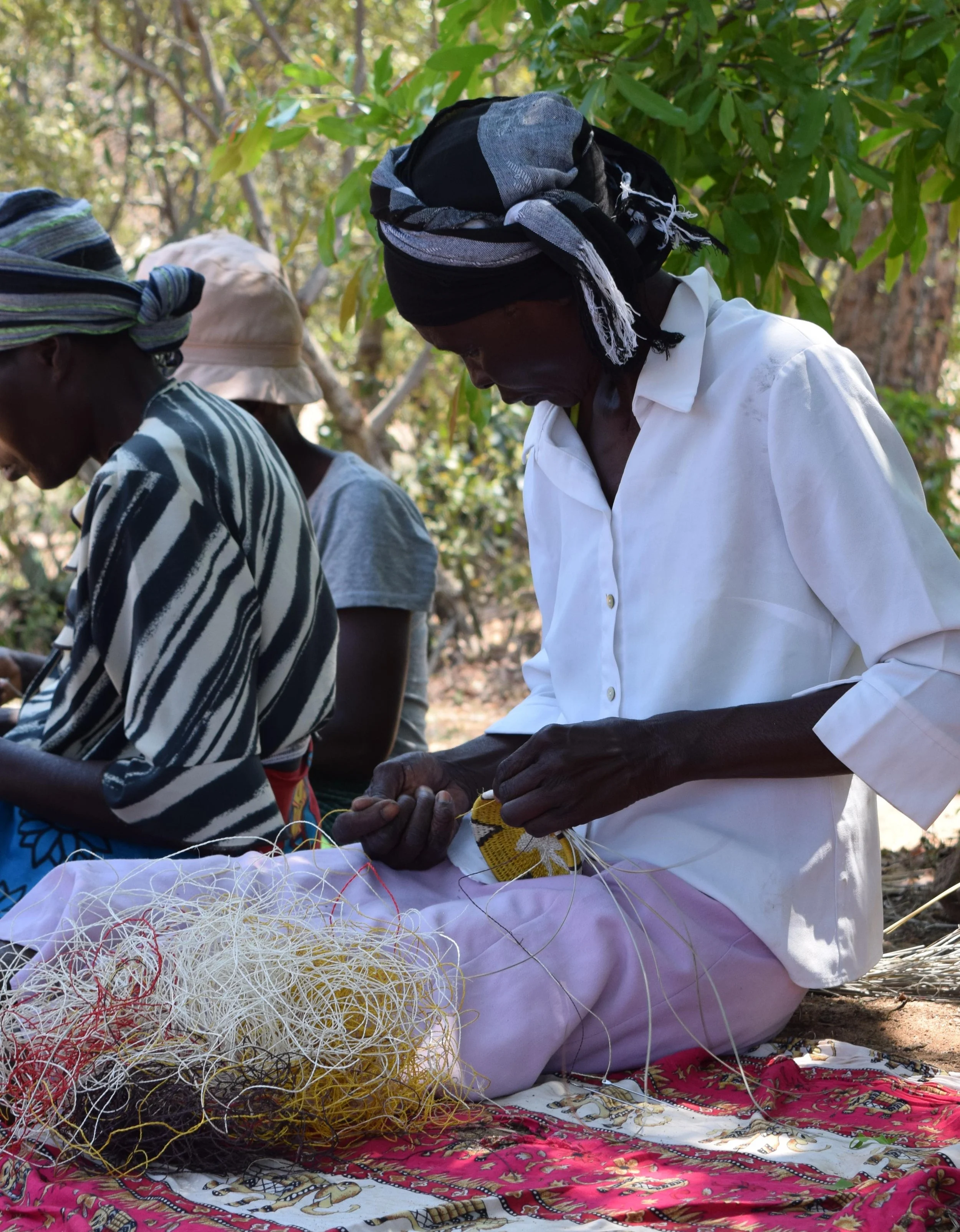
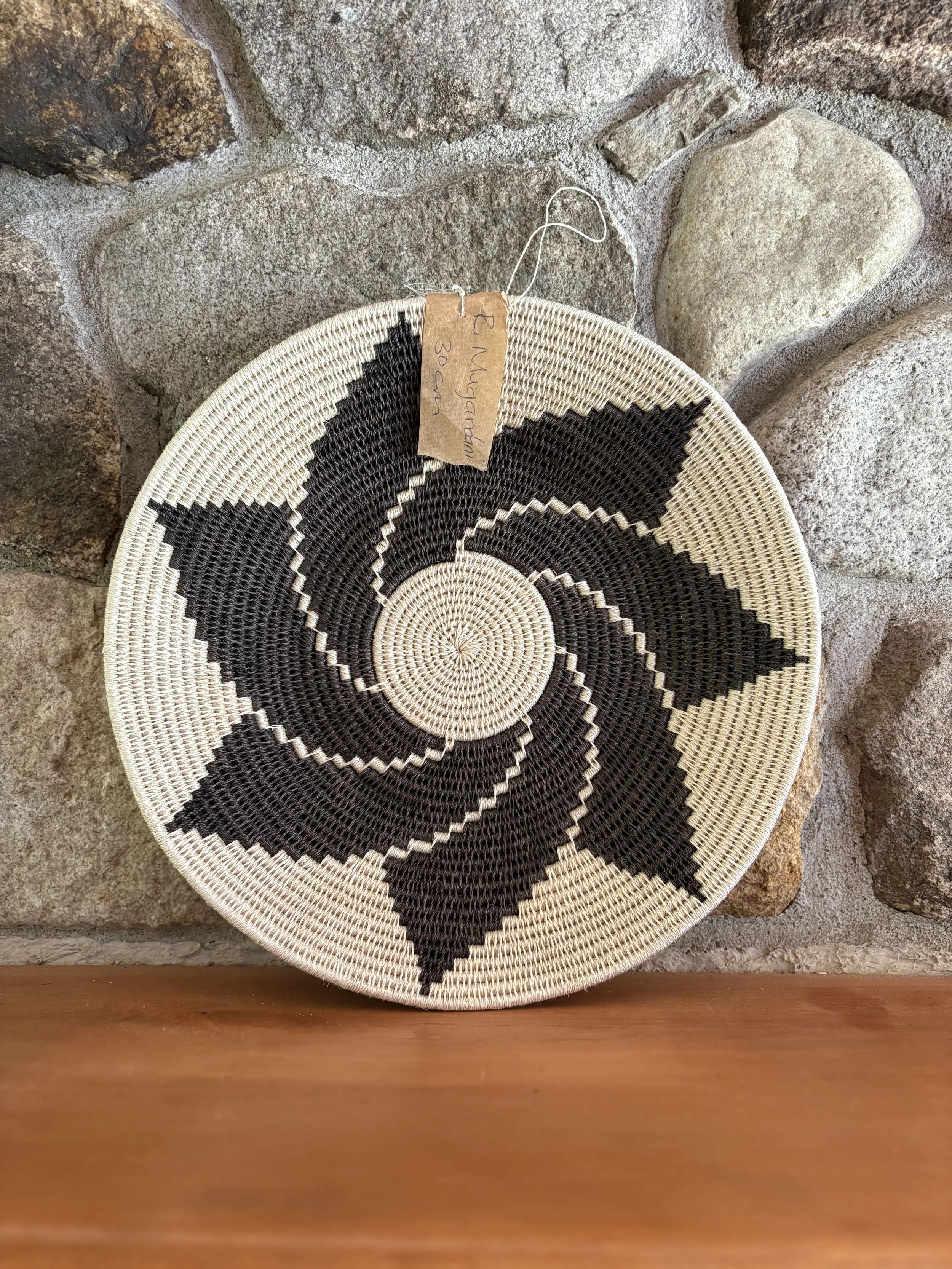
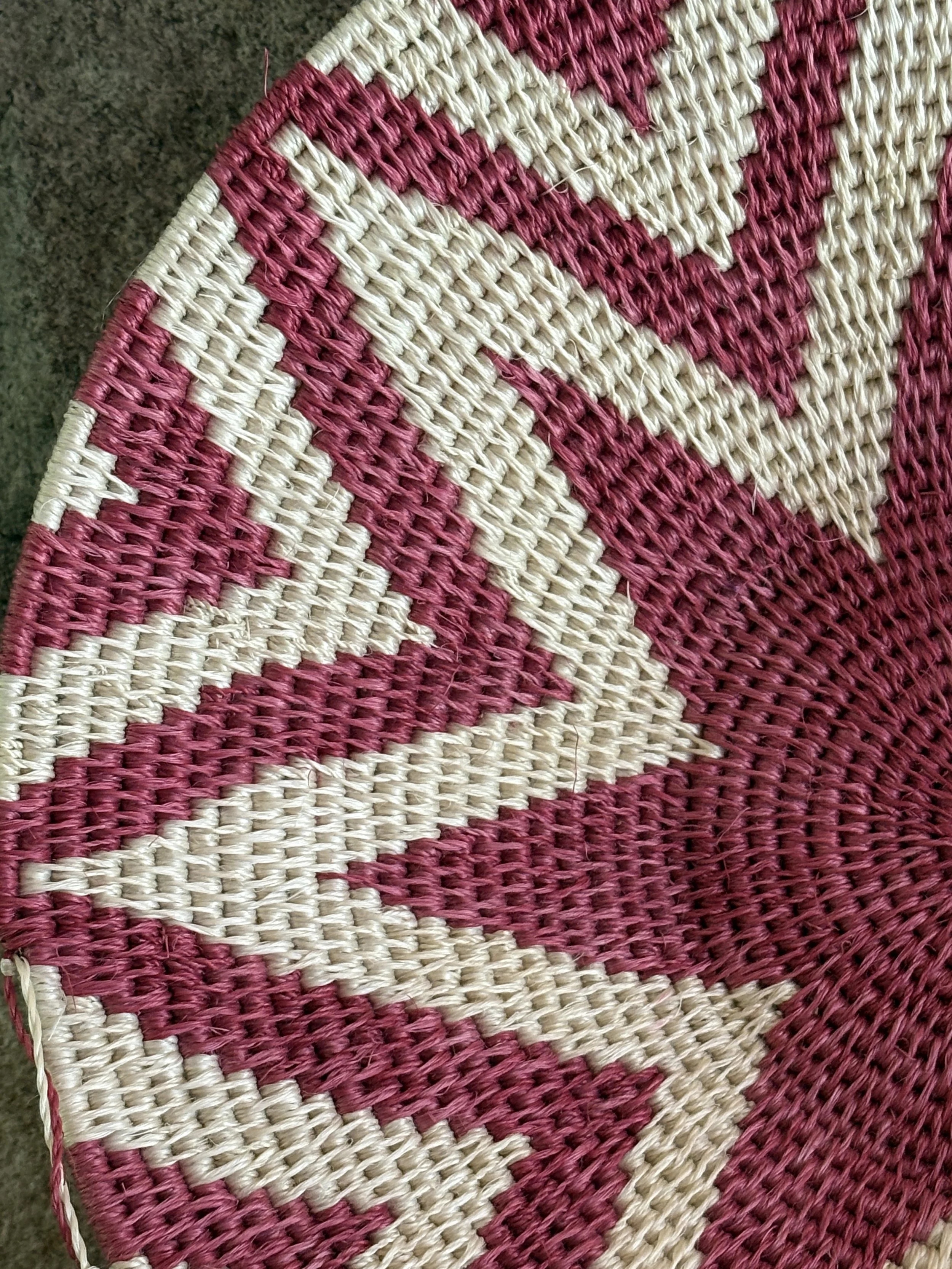
Each basket is woven by an individual woman using traditional Shona techniques: sisal fibers are dyed, twined, and wrapped around a spiral grass core. While the construction remains rooted in tradition, the baskets show a wide range of personal expression. Over the past two decades, women have become increasingly confident in their use of color, pattern, and scale. Distinctive styles have emerged across cooperatives, and it is often possible to identify where a basket was made based on its design.
The cooperatives operate collectively. Women gather to source materials, dye fibers, and share skills at one of Zienzele’s community centers, while each basket remains the work of a single maker. Income from basket sales supports school fees, household needs, and caregiving responsibilities, and has shifted local power dynamics by giving women a stronger voice in community decision-making.
Beyond weaving, Zienzele supports a wide range of community-led initiatives, including savings groups, leadership training, healthcare access, water projects, and small-scale garden and livestock programs. These efforts are designed to strengthen long-term stability rather than provide short-term aid.
Materials are sourced locally and sustainably. Sisal and grasses are native to the region, and natural dyes are made from local plants and trees. Women gather most materials themselves or purchase them at fair market value from others in their communities. The baskets are made through a shared system that combines individual skill, traditional techniques, and cooperative production across multiple villages.