Alicia Perez Chicchi
Peru | Quechua Andean Weaving
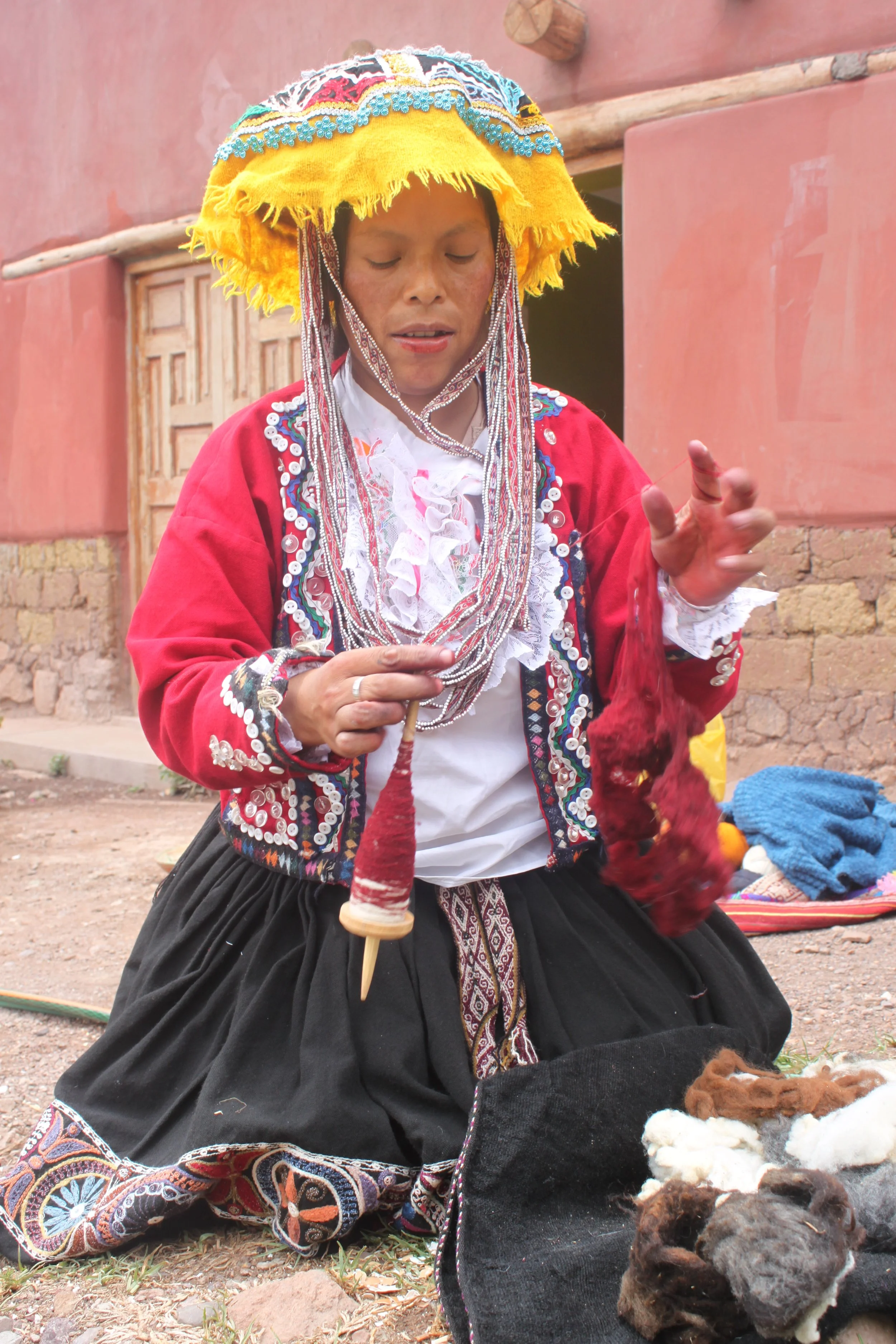
Alicia Perez Chicchi is a Quechua weaver from the Indigenous community of Chawaytere in the Andes of Peru. She is the youngest of ten siblings and began weaving at the age of eight, learning by watching her grandmother work at the loom. Much of her childhood was spent in the highlands caring for her family’s alpacas, a responsibility she took on early and continues today.
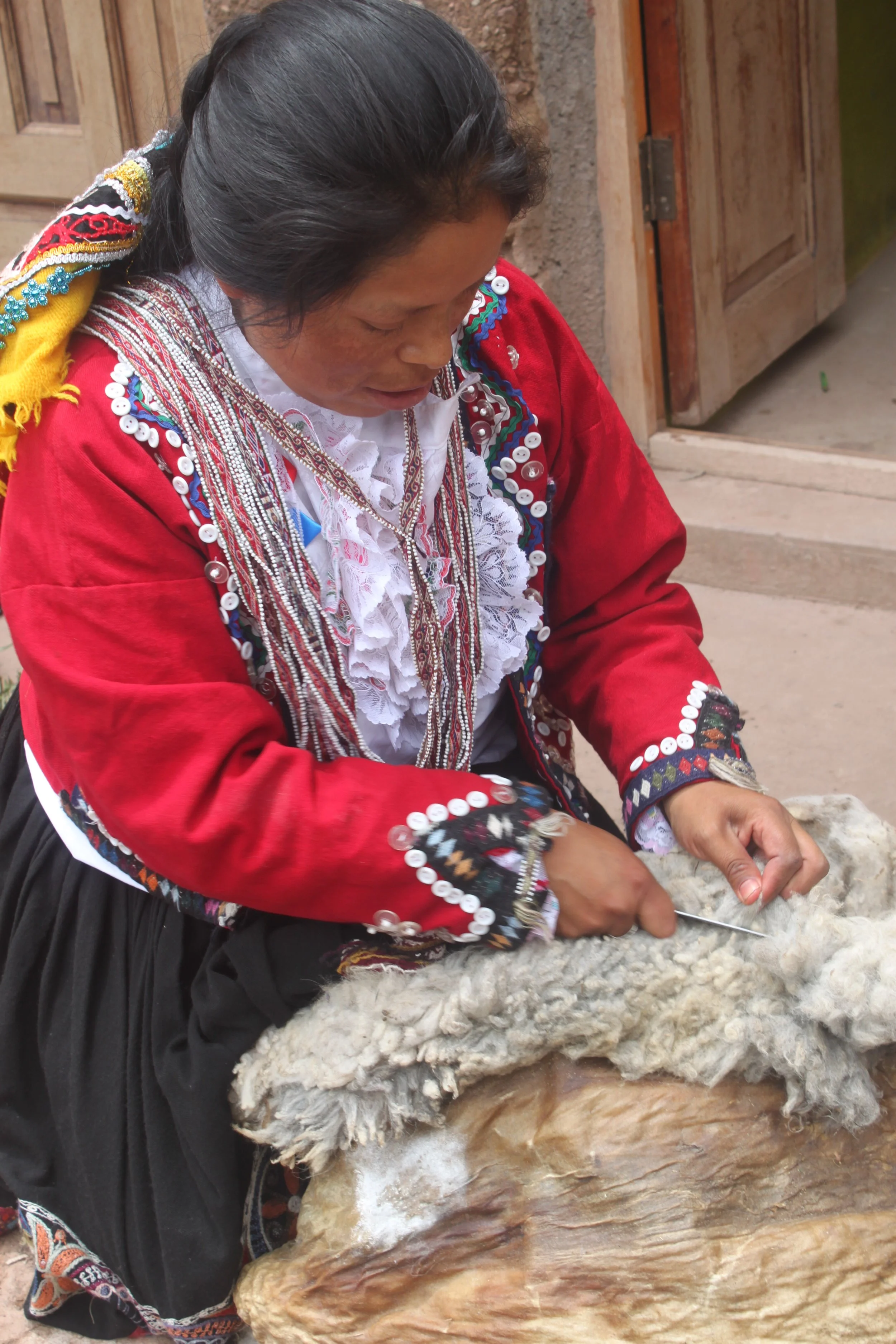
From a young age, Alicia was responsible for shepherding the alpacas her family depends on. She raises them in the highlands of Cusco and harvests their wool using traditional methods that prioritize the animals’ well-being and follow long-established practices. The timing, handling, and care involved in shearing are part of what she was taught growing up and remain central to how she works.
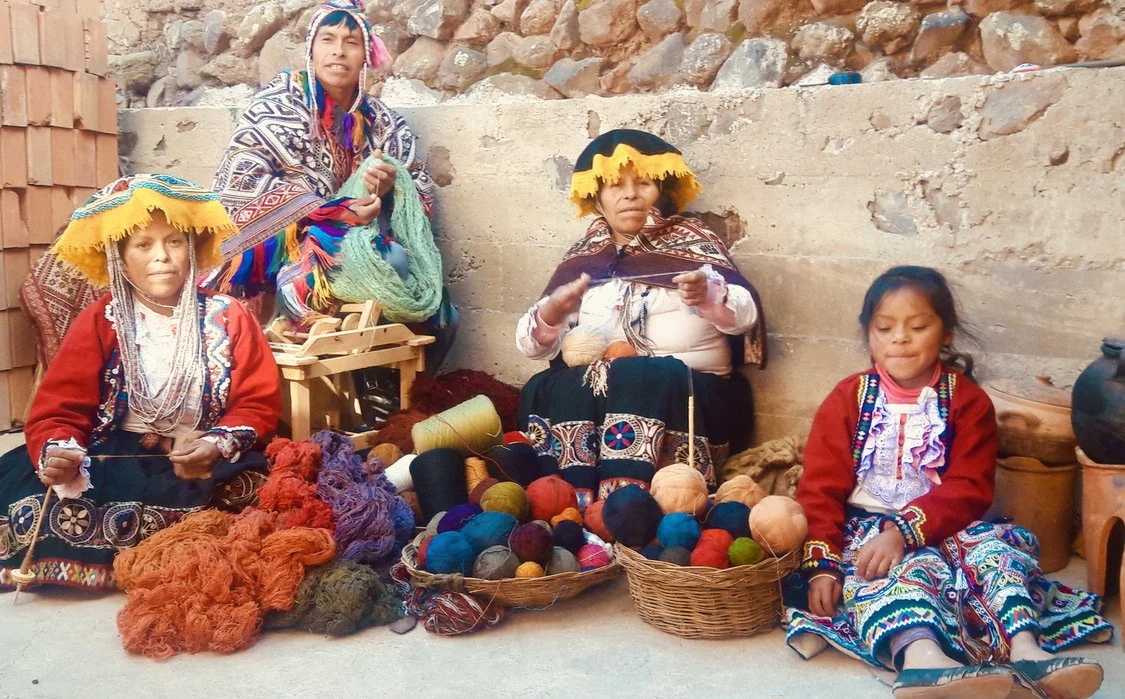
Alicia never attended formal school. Instead, she devoted her life to learning every stage of Andean textile making. She washes wool using traditional cactus soap, spins fiber by hand, and prepares her yarns before weaving. All materials are sourced locally, and dyes are gathered from plants and minerals found in the surrounding mountains or exchanged with neighboring communities.
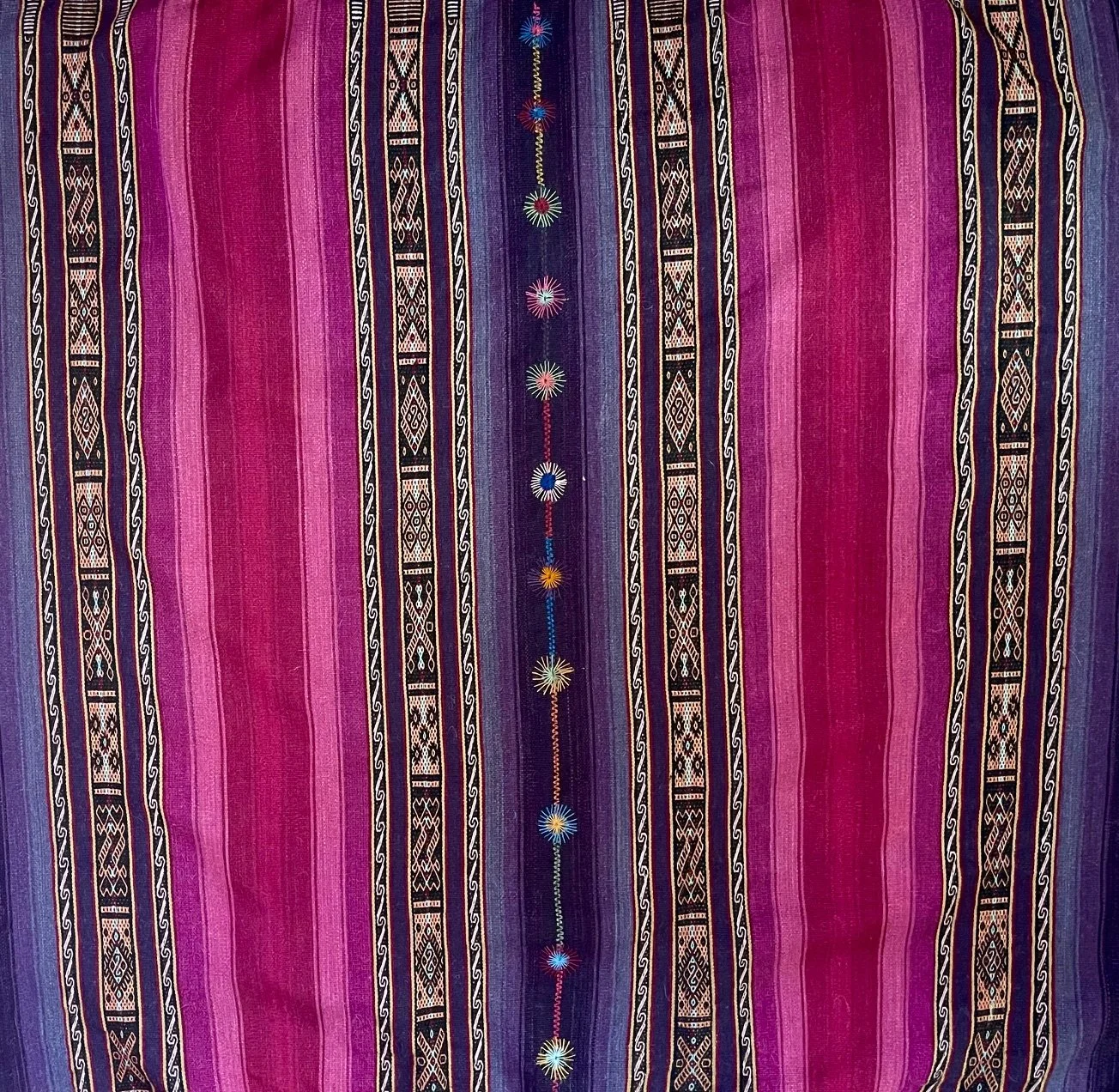
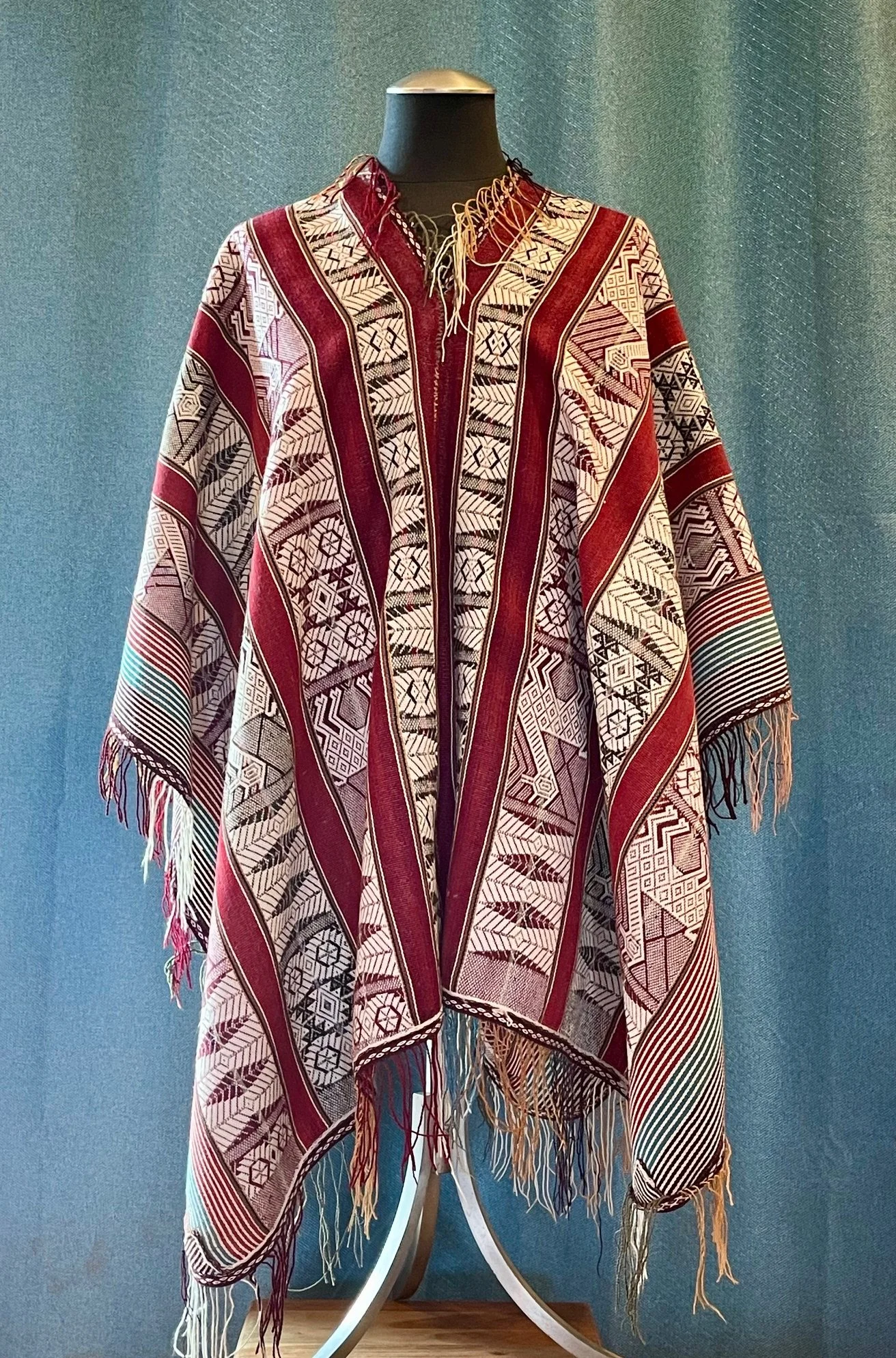
Her primary language is Quechua. In her culture, woven designs function as a form of communication. Patterns and colors carry knowledge about ceremonies, daily life, relationships with the land, and ancestral history. Alicia works within these established design systems, maintaining their structure while allowing variation through color and composition.
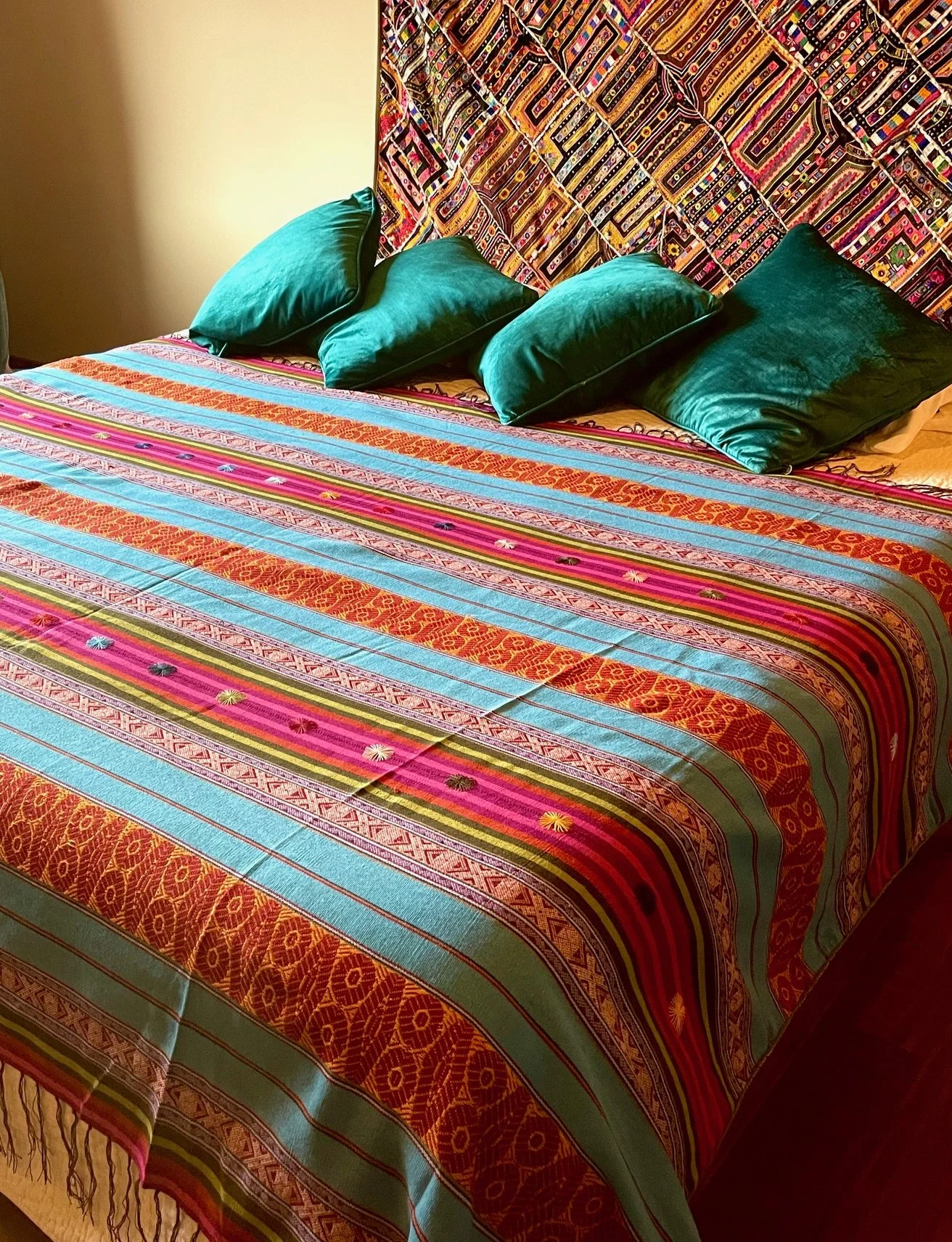
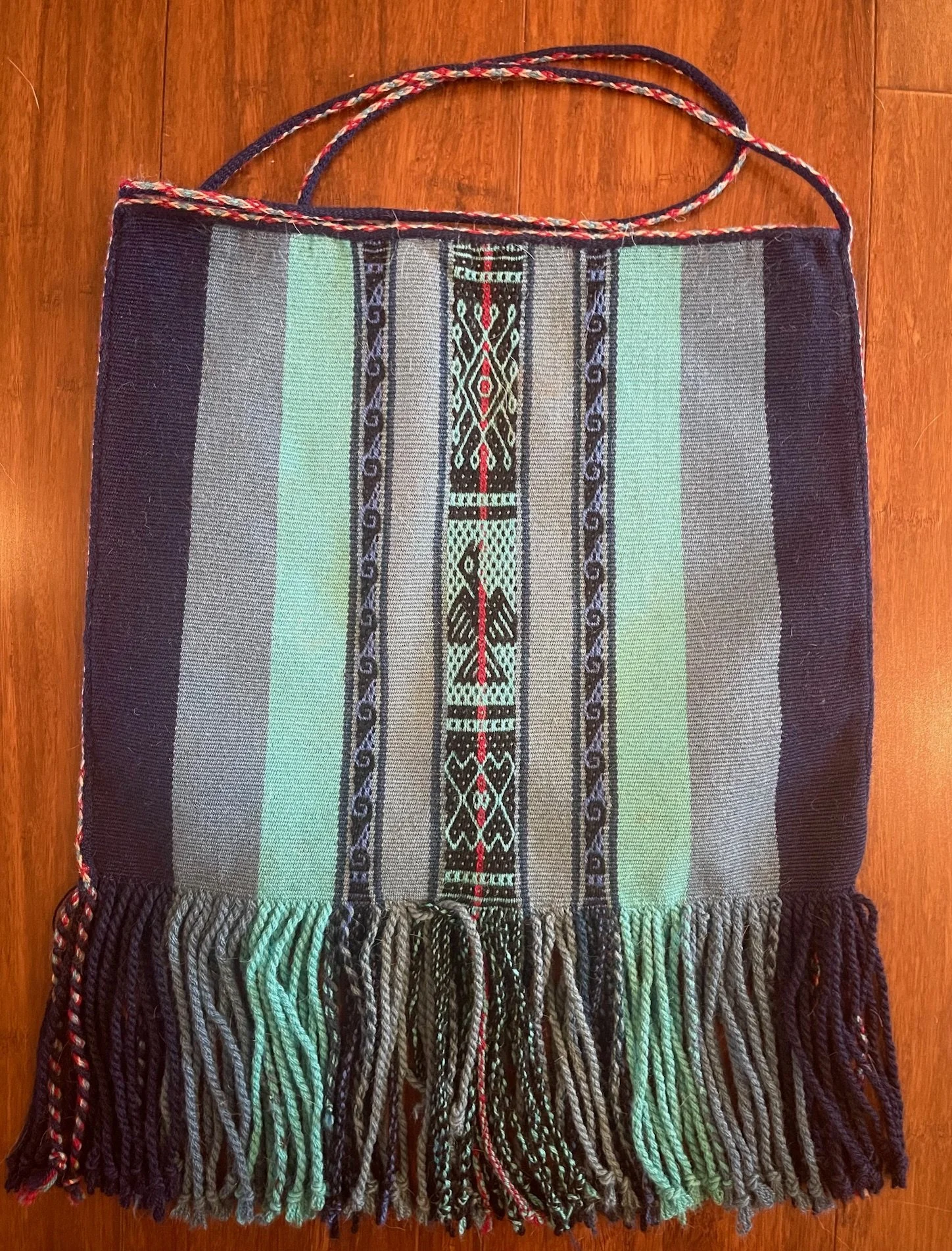
She weaves from her home on a traditional loom, making shawls, ponchos, altar cloths, bags, and blankets. She does not predesign or count threads. Instead, patterns develop directly at the loom, guided by experience and familiarity with the materials. Alicia says, “I sit in front of my loom and allow the design to be born.”
Alicia also teaches weaving to women in her community, particularly widows who need to support their children while remaining close to home. When their pieces are sold, the women receive the full income from their work. She works with five women and one man from her family and community in spinning, dyeing, and weaving, and continues to pass this knowledge to her daughters.