Nohui Cosmogonía Textil
Mexico | Ñuu Savi (Mixtec) backstrap loom weaving
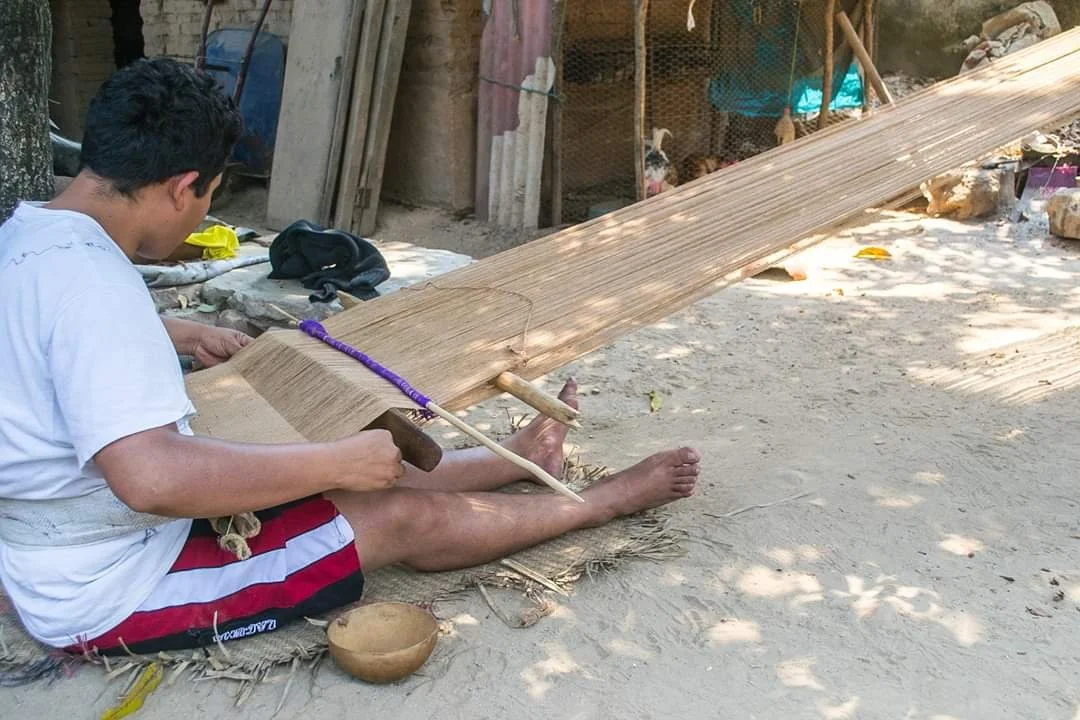
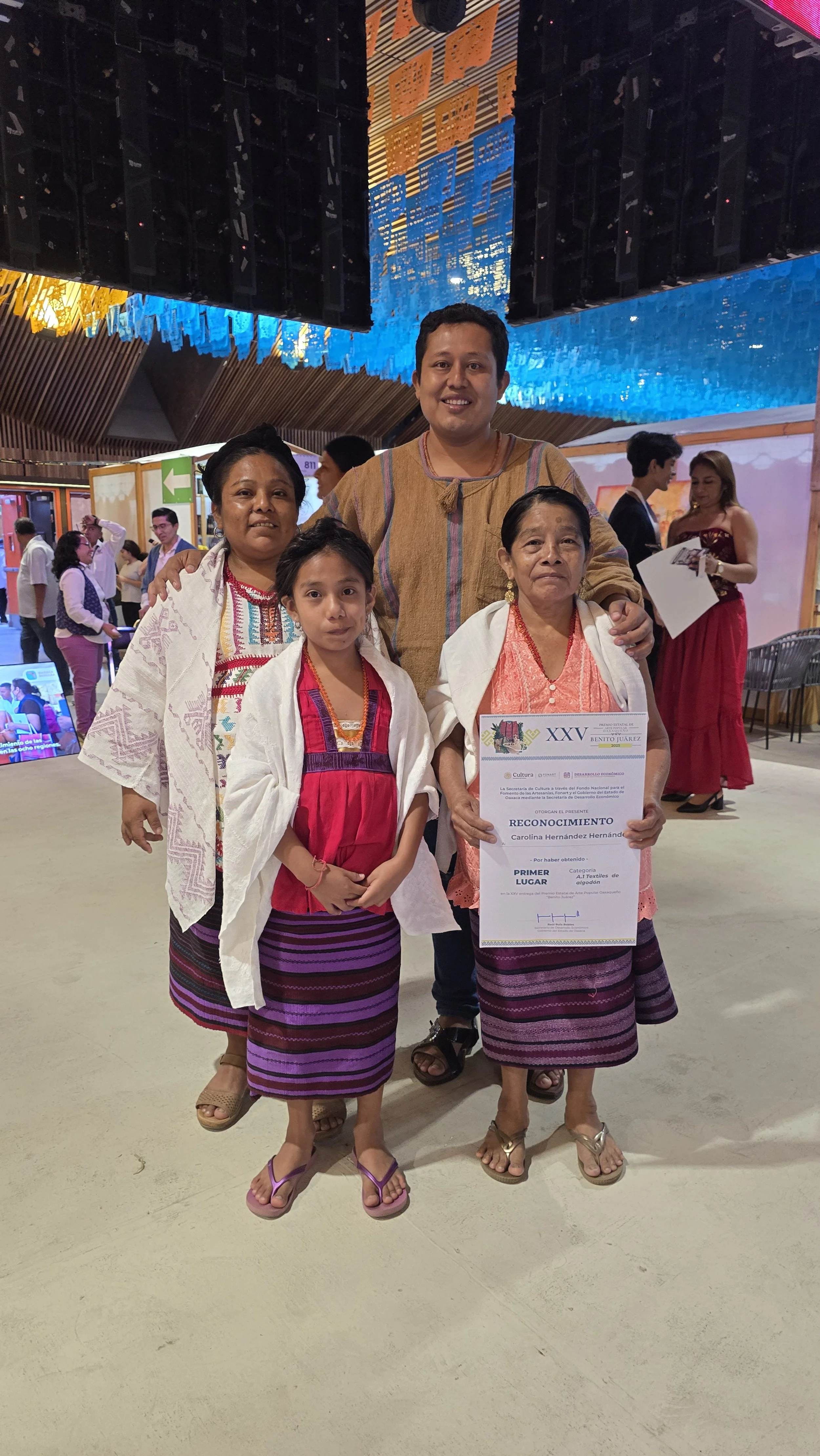
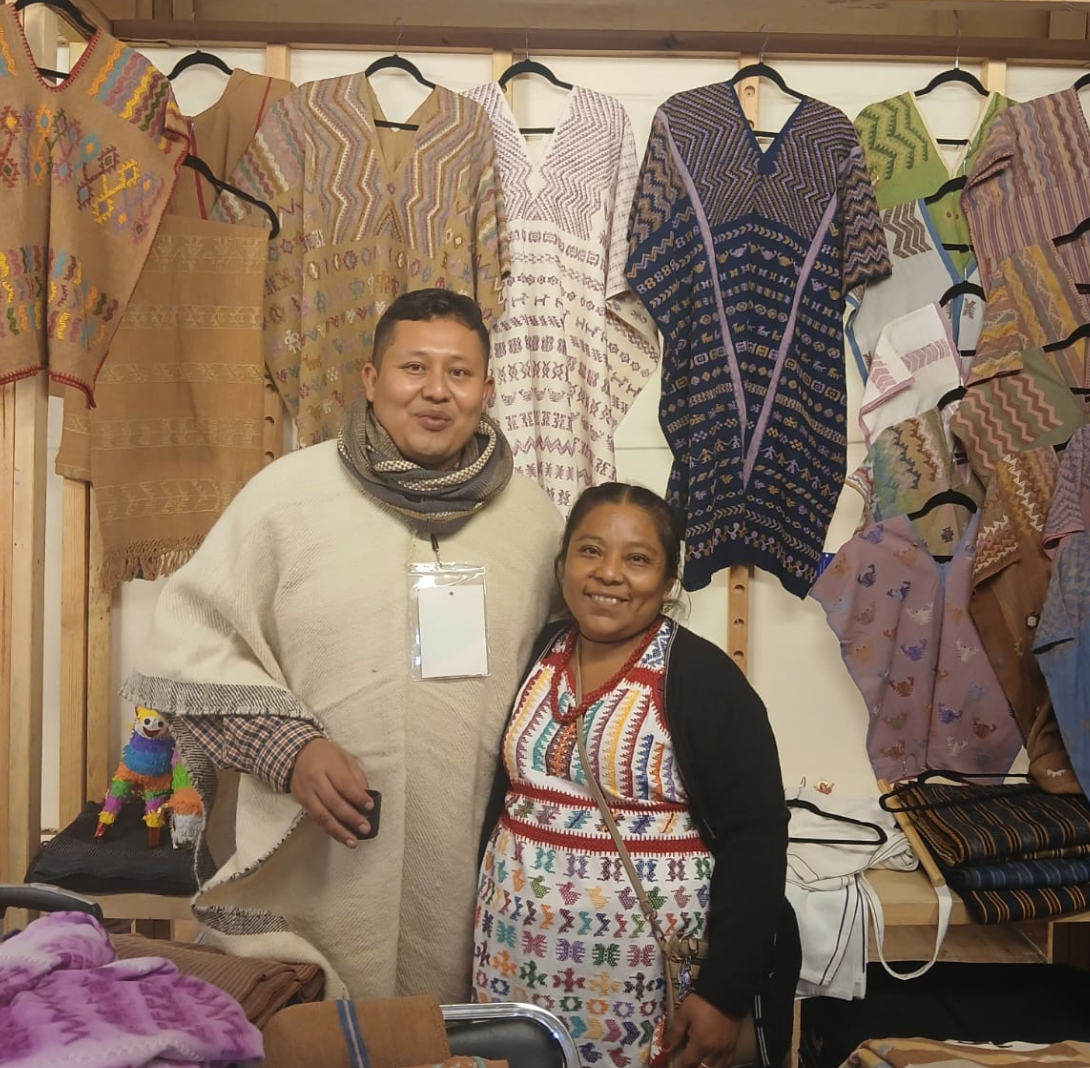
Nohui Cosmogonía Textil is a family-based textile practice from San Juan Colorado, a Ñuu Savi (Mixtec) community on the coast of Oaxaca, Mexico. The work is led by Elena Nicolás Hernández, who began weaving at the age of six, learning from her mother and grandmothers. In her community, weaving is not taught formally, but is learned through daily practice and long observation.
What makes Nohuin’s textiles exceptional is the complete process that the family still maintains. They work with native coastal Oaxacan cotton, including naturally brown cotton such as coyuchi, which is increasingly rare and important for biodiversity. The cotton is grown, harvested, spun, dyed, woven, and sewn within the family, using techniques few people continue to practice today.
Spinning is done by hand using a malacate, a pre-Hispanic spindle. Before weaving, the threads are prepared with atole made from corn, a traditional method that strengthens the fiber and allows it to withstand tension on the backstrap loom. Dyeing is done with plants and natural materials gathered locally, and weaving often follows seasonal rhythms, since humidity and rain affect both fiber and loom work.
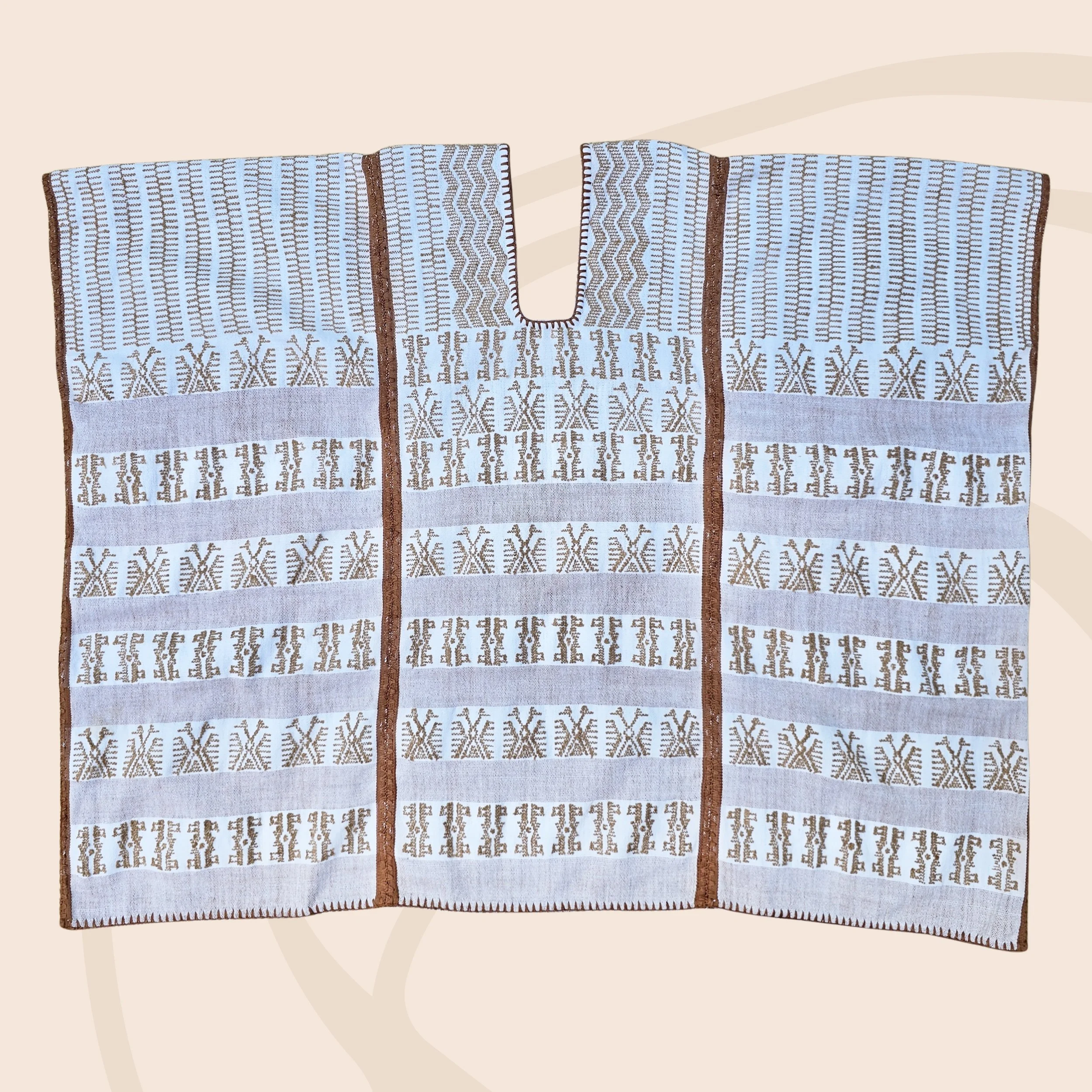
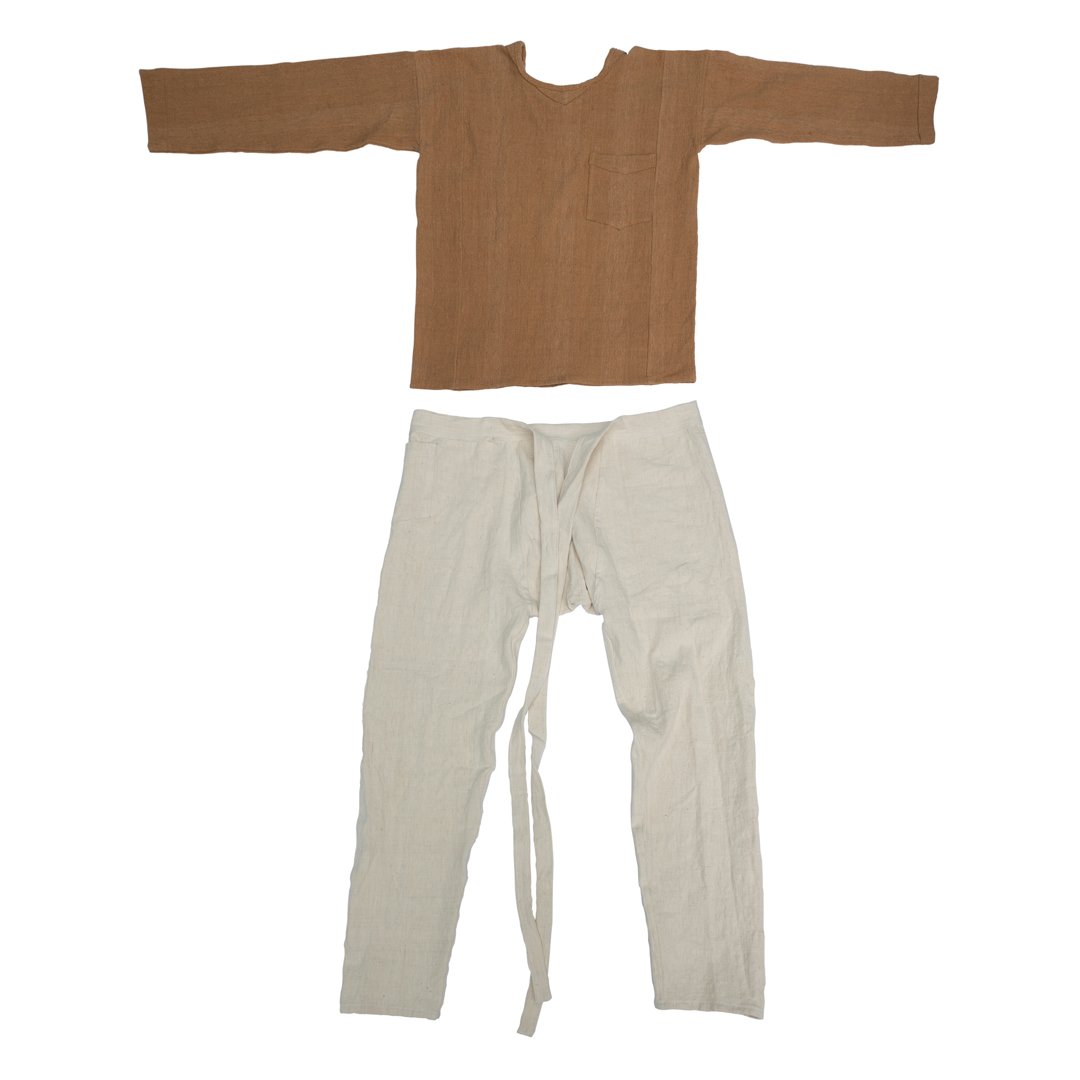
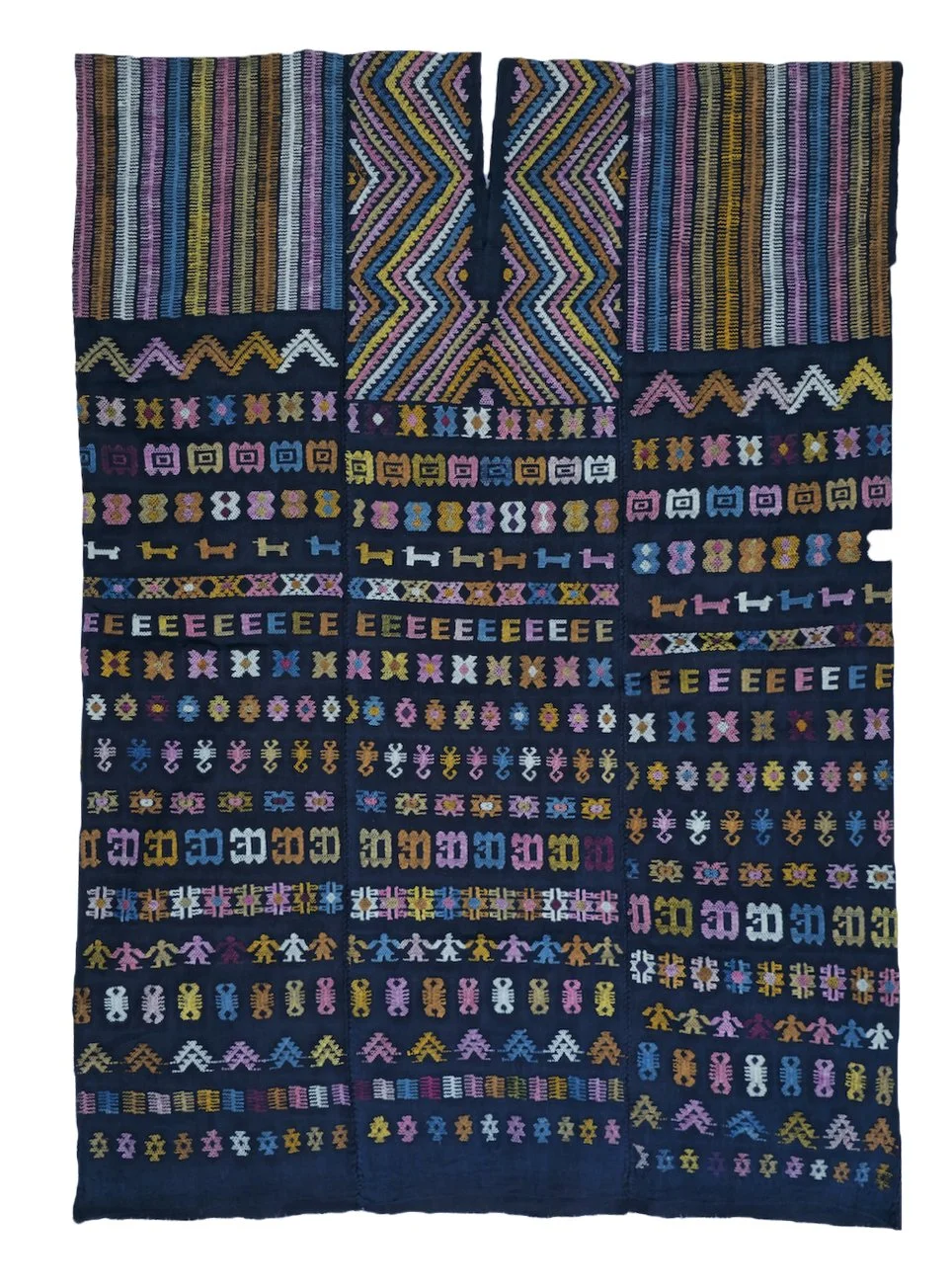
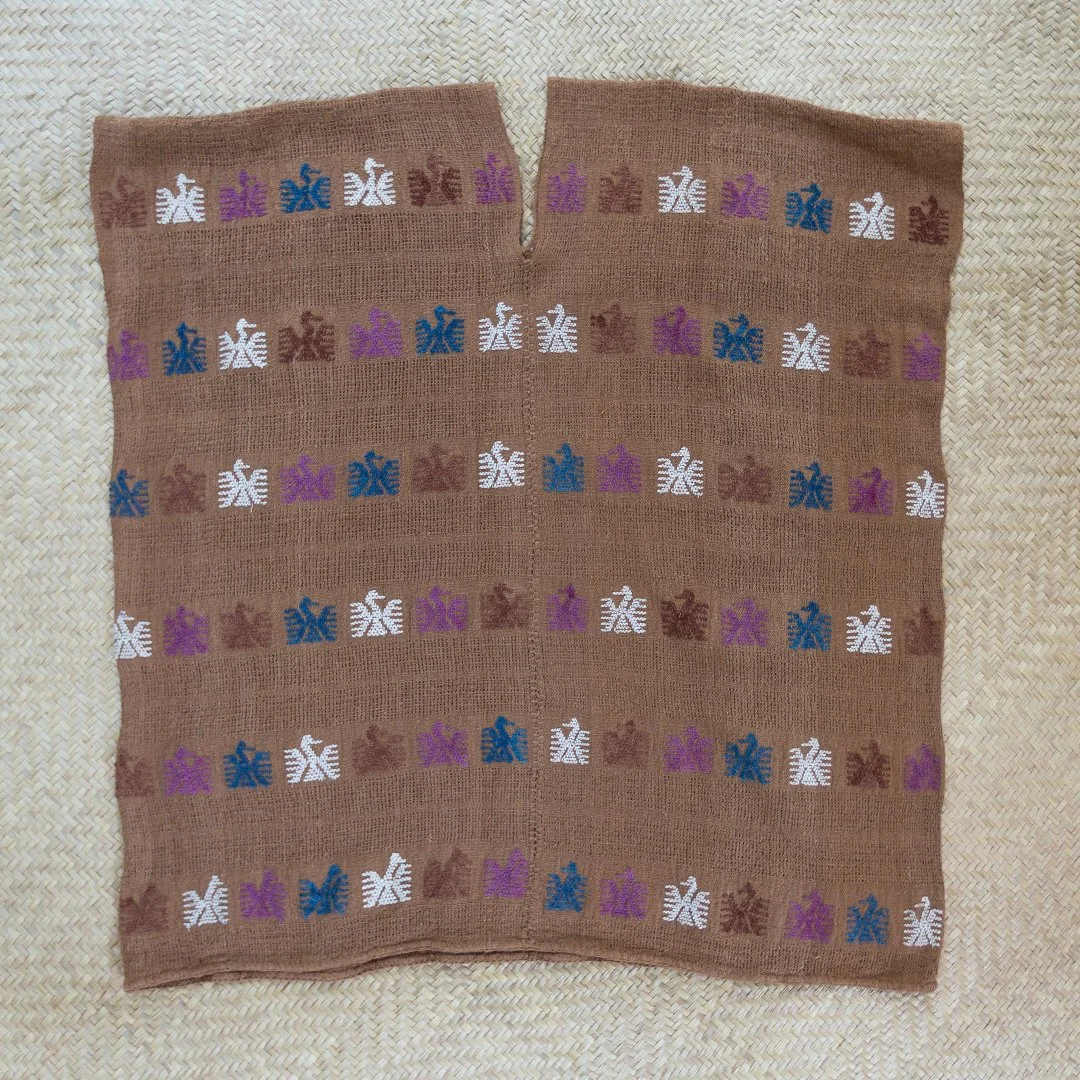
The family weaves traditional clothing from San Juan Colorado, including huipiles with one, two, or three panels, rebozos, and garments for men. Alongside these forms, they also create pieces such as quechquemitl, ruanas, and textiles for home interiors, while keeping the structure, proportions, and design language rooted in community tradition.
Designs reflect Ñuu Savi history and worldview. Motifs include flowers and agricultural imagery, animals such as deer, hummingbirds, dogs, ducks, and scorpions, as well as stars, female figures, and symbols connected to rain and fertility.