Indigenous Health Solutions
Papua New Guinea | Cane Basketry from the Lufa District
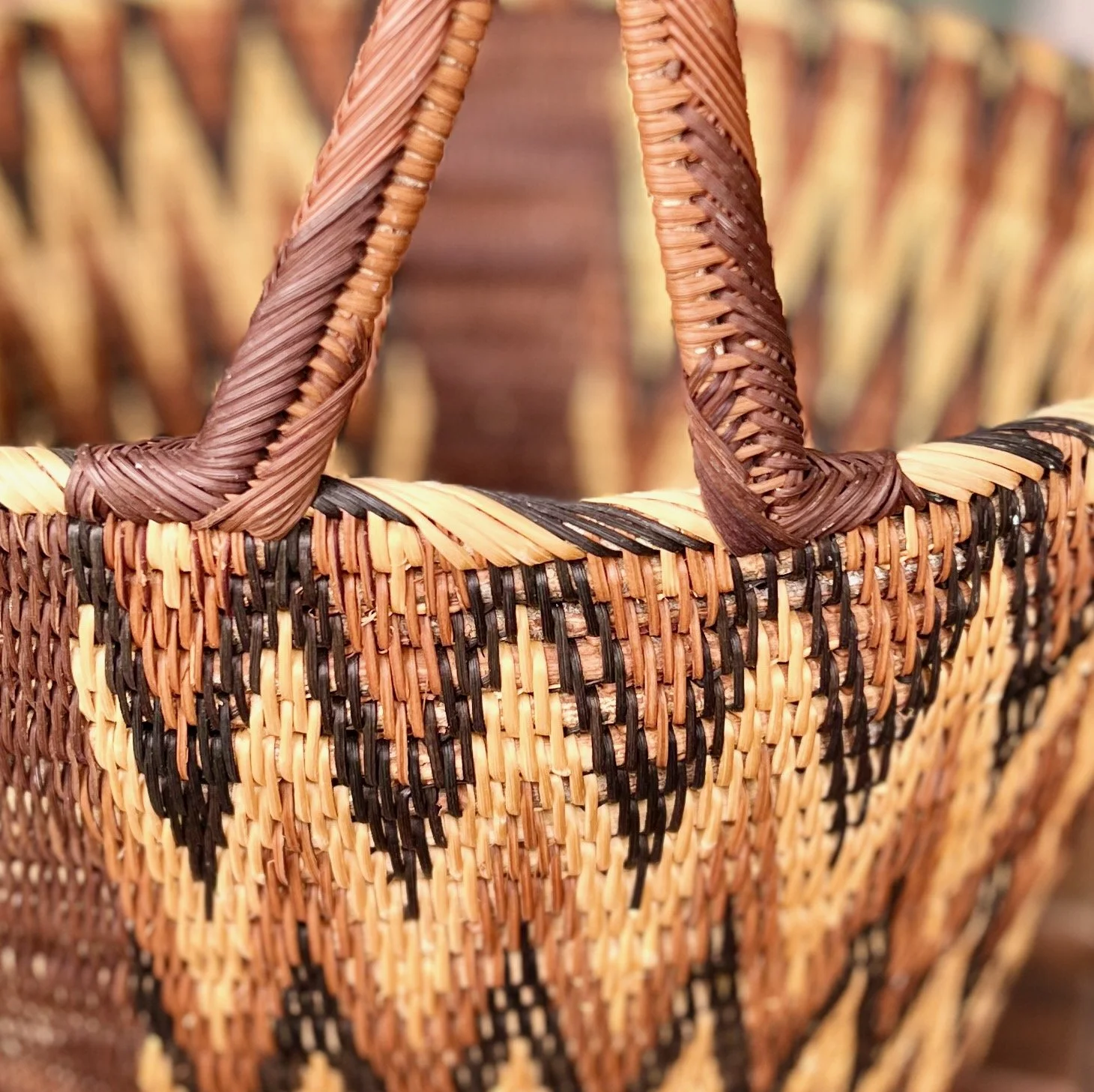
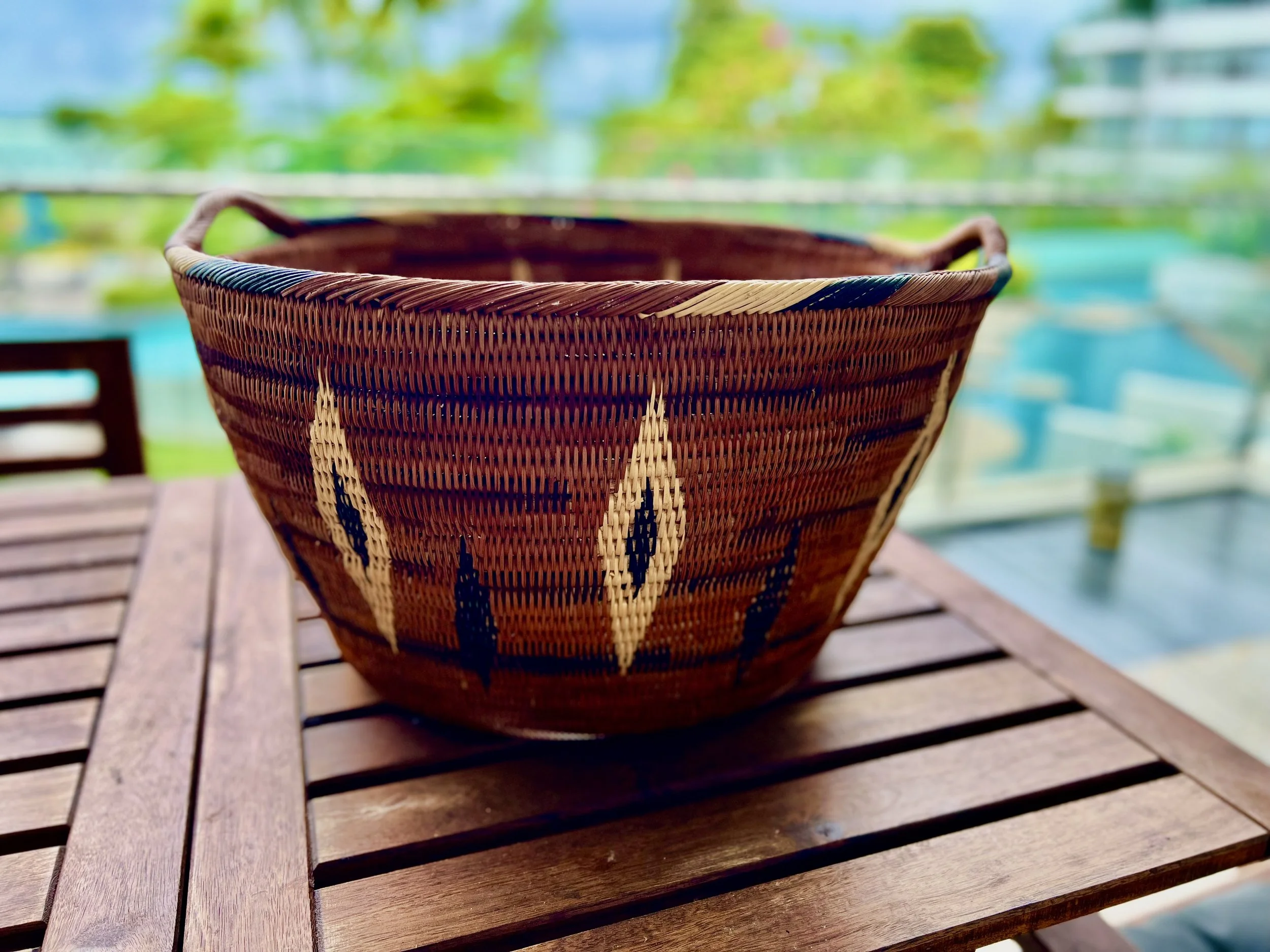
The baskets are made by Indigenous artisans from the Lufa District in Papua New Guinea’s Eastern Highlands Province, where cane basketry has long been part of everyday life. Traditionally, these baskets are used for carrying food, garden harvests, and household goods, and the techniques are passed down through hands-on practice rather than formal instruction.
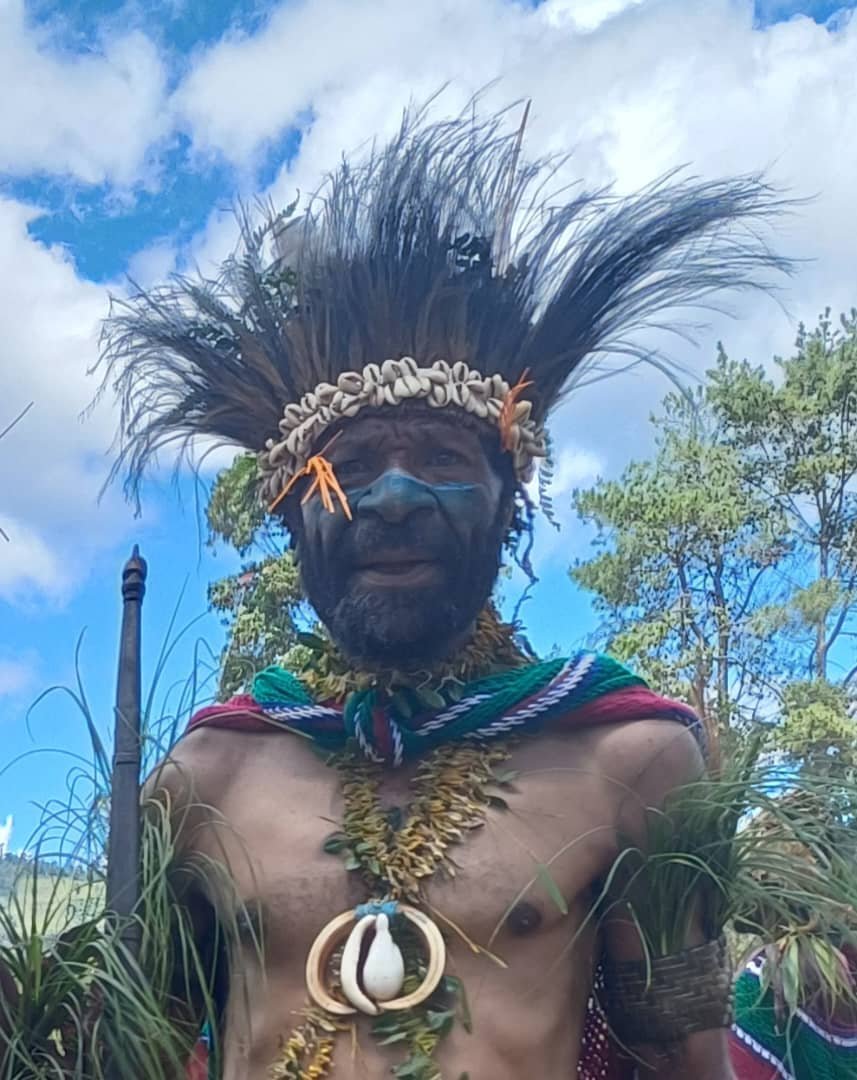
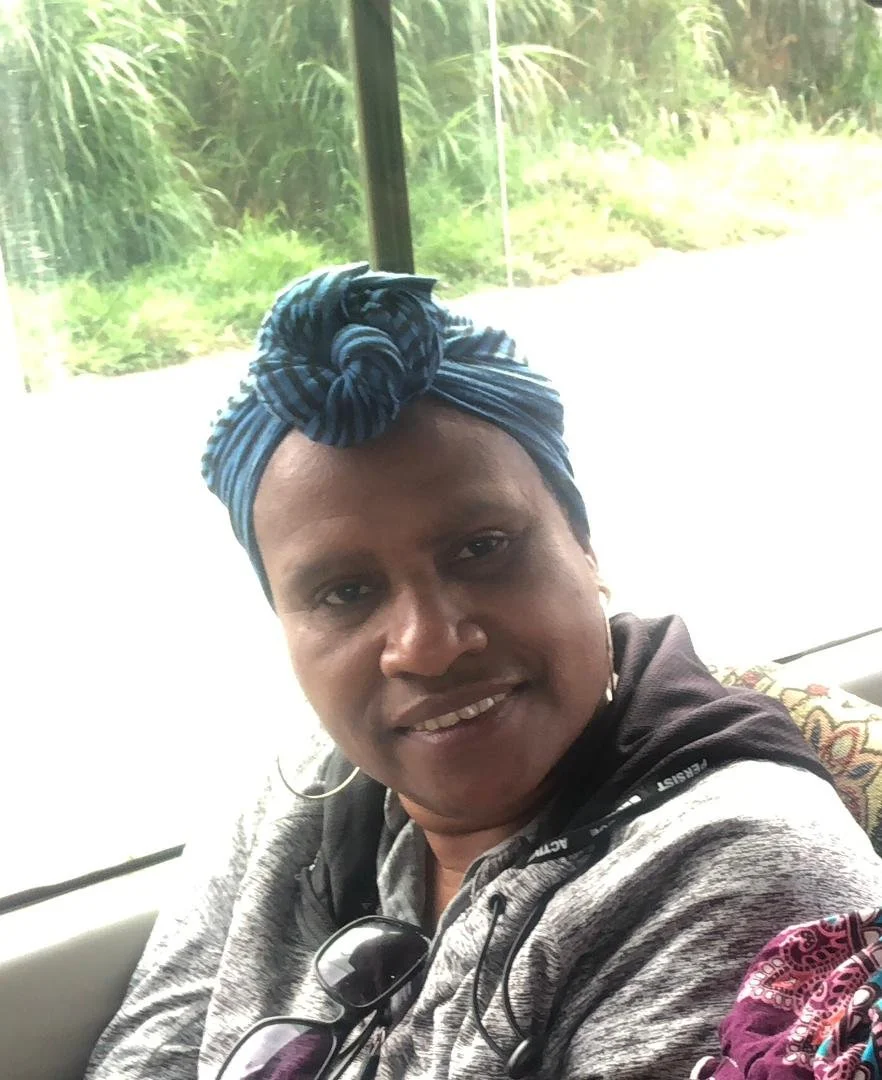
This work currently involves three Indigenous makers. Verina Isaru is responsible for harvesting and preparing the cane and carrying out the dyeing process, while Henson Hane and Oroga Saida weave the baskets by hand. Each basket is made by an individual weaver using locally gathered materials, and each person is paid directly for their contribution. The motifs reflect clan identities.
Cane is harvested locally and cut into strips before being dyed using natural materials such as roots and mud sourced from the surrounding area. Colors vary depending on the materials used and local conditions. Weaving is done entirely by hand using techniques practiced in the region.
While the baskets were originally made for utilitarian purposes, the artisans now also produce larger forms and baskets with lids intended for wider use. The construction methods remain the same as those used for everyday baskets.
The artisans are supported by Indigenous Health Solutions, a nonprofit organization working in the Lufa District on healthcare, education, access to clean water, and community-based livelihood initiatives. Basket weaving is one of several income-generating activities supported by the organization. Indigenous Health Solutions helps with access to materials, coordination, and markets, while the design and making of the baskets remains with the artisans themselves.
Income from basket sales supports household needs, including food, school fees, and basic supplies. The work is done from home, allowing artisans to continue gardening and other responsibilities alongside weaving.