Hadithi Crafts Support CBO
Kenya | Sisal Basket Weaving
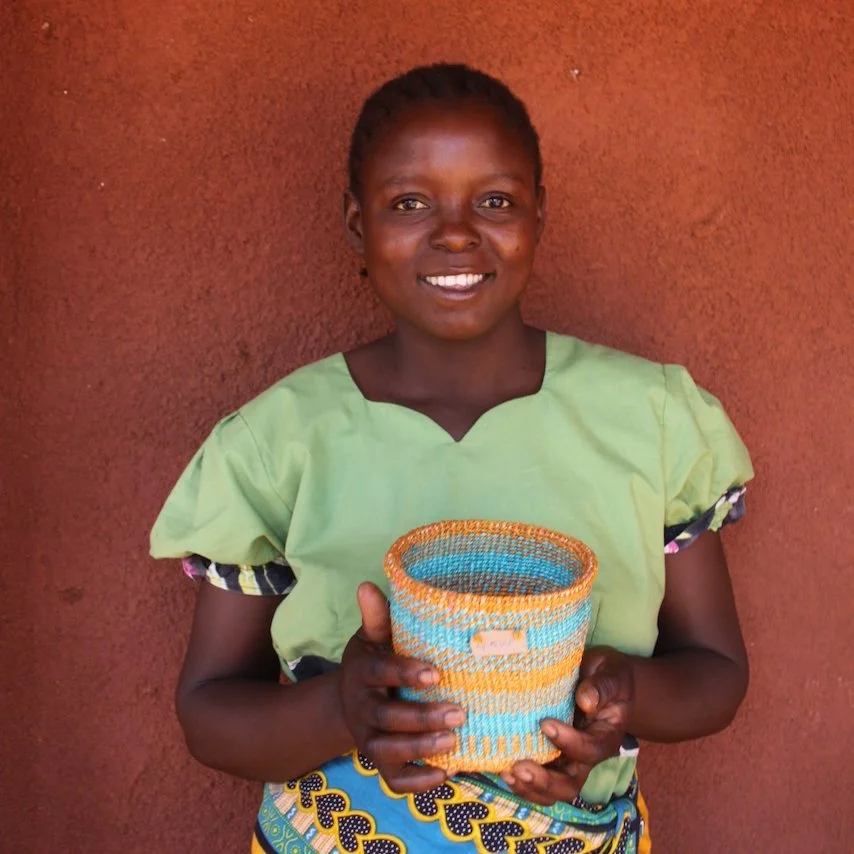
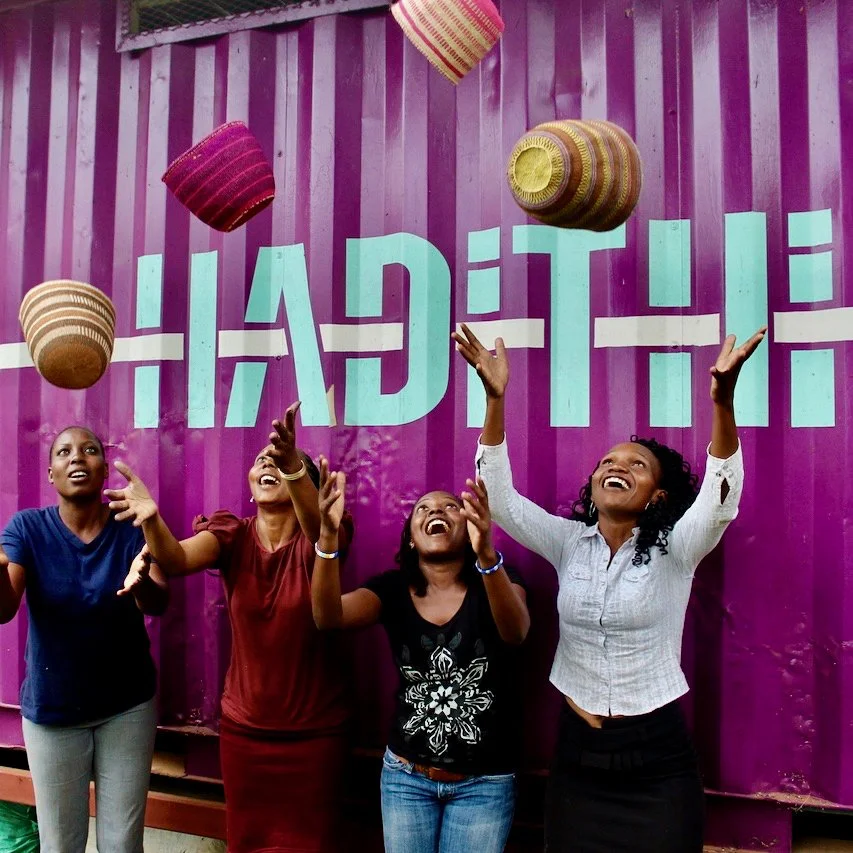
Hadithi Crafts Support is a community-based organization working with women basket weavers across Taita Taveta County in southeastern Kenya. Since 2014, Hadithi has focused on generating reliable income for women in a semi-arid region where farming alone is often insufficient to sustain a household.
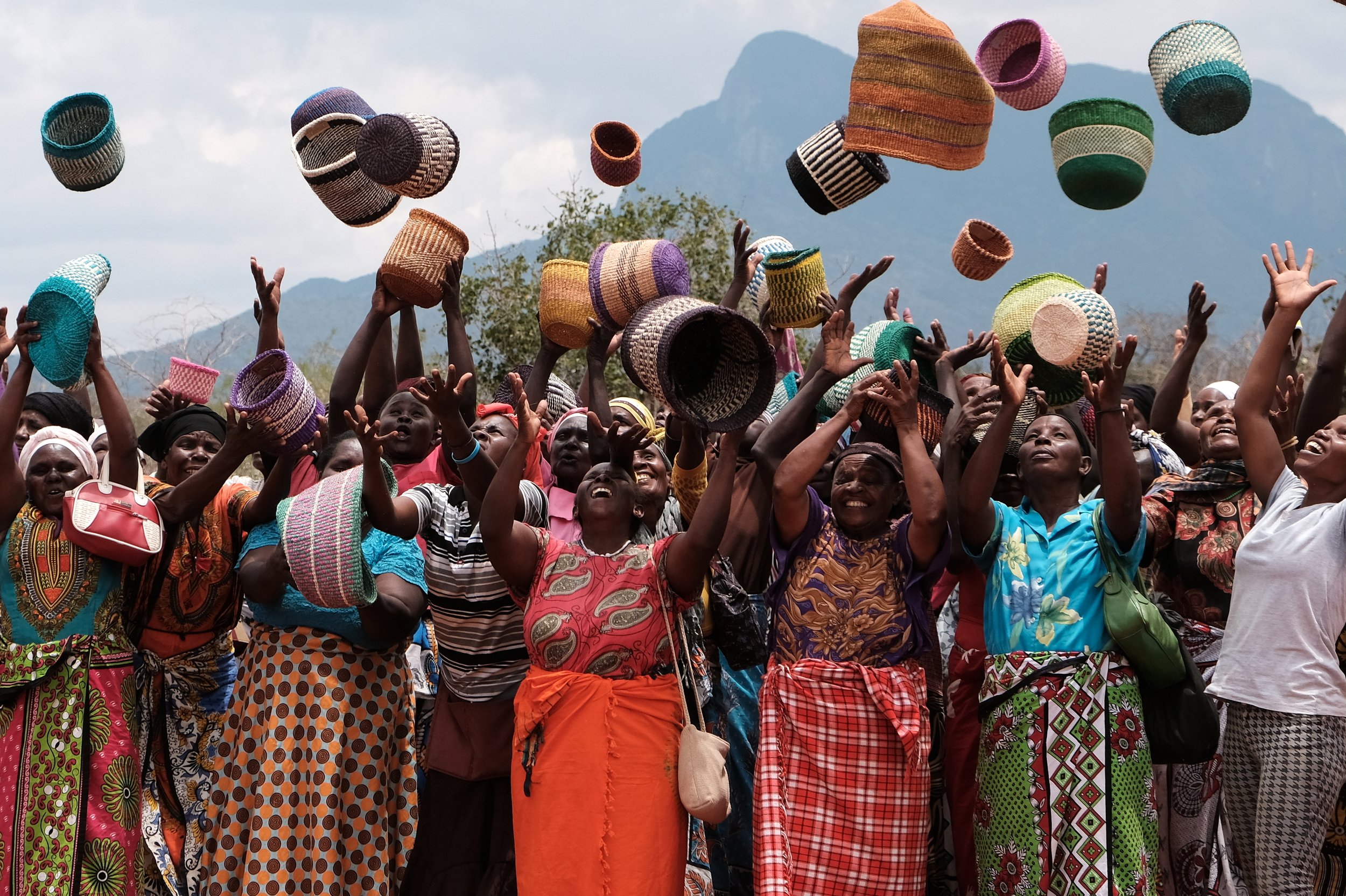
This is an area where harvests frequently fail due to lack of rain. For many families, agriculture is unpredictable, and income gaps are common. Basket weaving has become an essential alternative. Through Hadithi, more than 1,800 women now earn income from weaving sisal baskets, many of them working from home while continuing to care for children, elders, and the land.
Basket weaving among the Taita and Kamba communities has long been part of daily life. Traditionally, baskets were made for carrying food, storing grain, and household use. Weaving skills were passed from mother or grandmother to daughter, often practiced in groups where women worked side by side. Historically, this work was not commercial. What Hadithi has done is help transform an existing tradition into a dependable source of income, without disconnecting it from the social and cultural structures that sustained it in the first place.
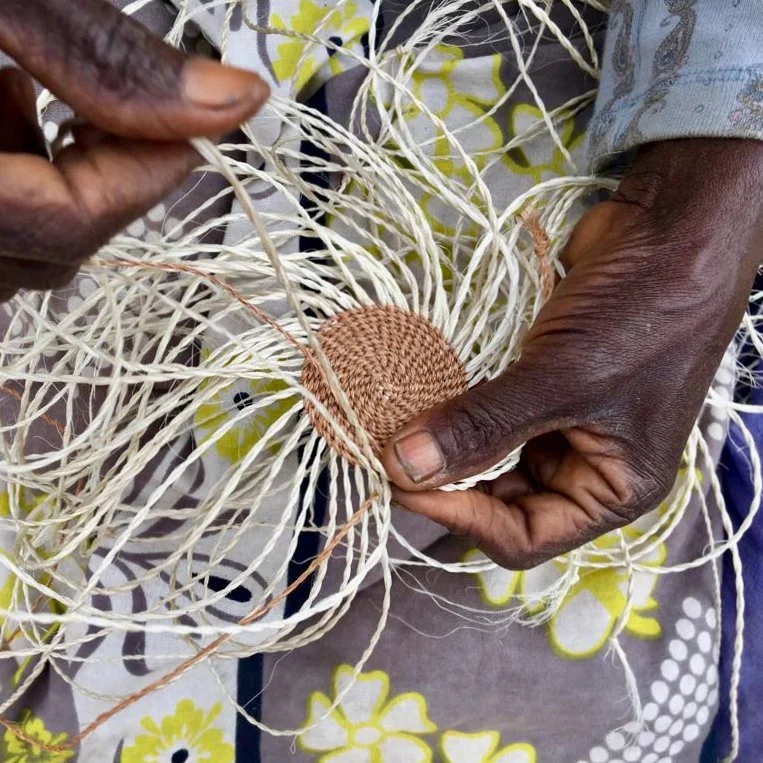
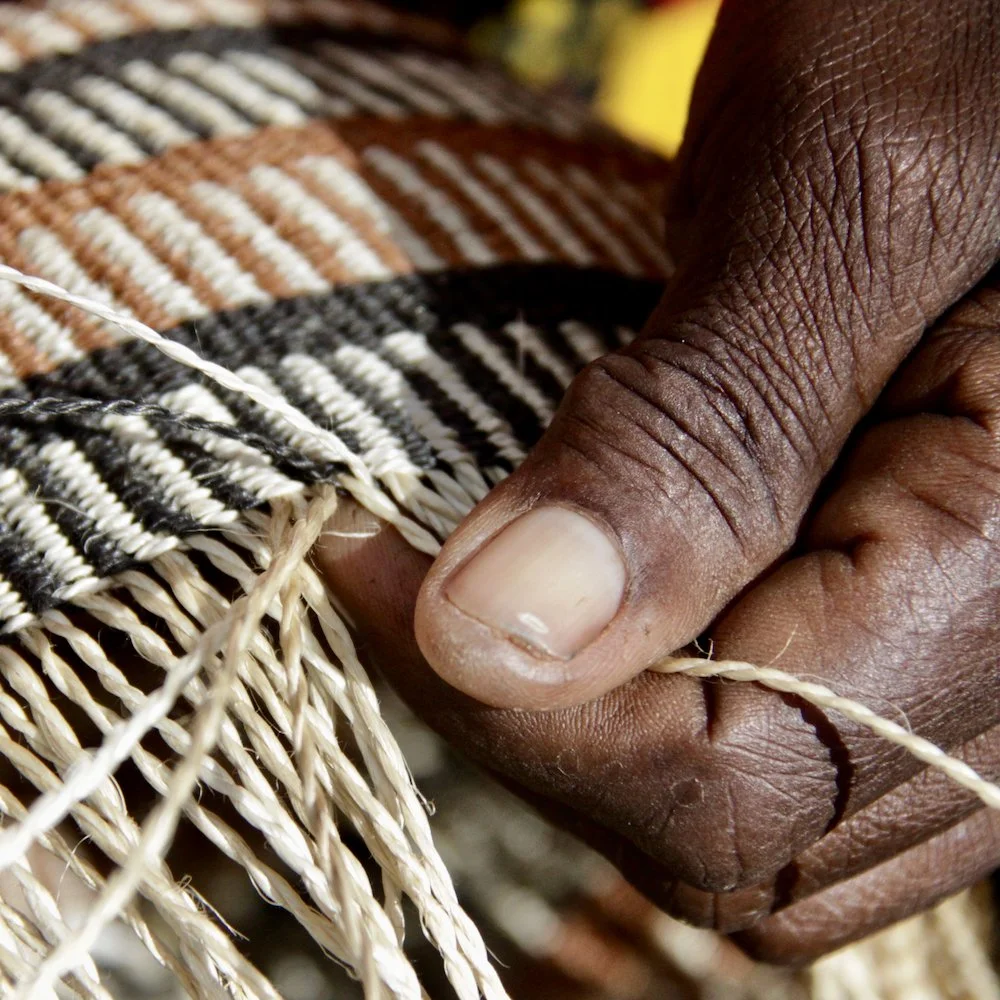
The baskets are made from locally sourced sisal. The process begins with rolling dried sisal fibers into twine, one strand at a time. This is the most time consuming step and determines the strength and quality of the basket. Weaving starts at the center of the base and builds upward in a continuous coil, stitched invisibly as the form takes shape. Finishing includes shaping the rim and trimming each loose fiber by hand. Before the basket leaves her hands, the weaver ties her name to it.
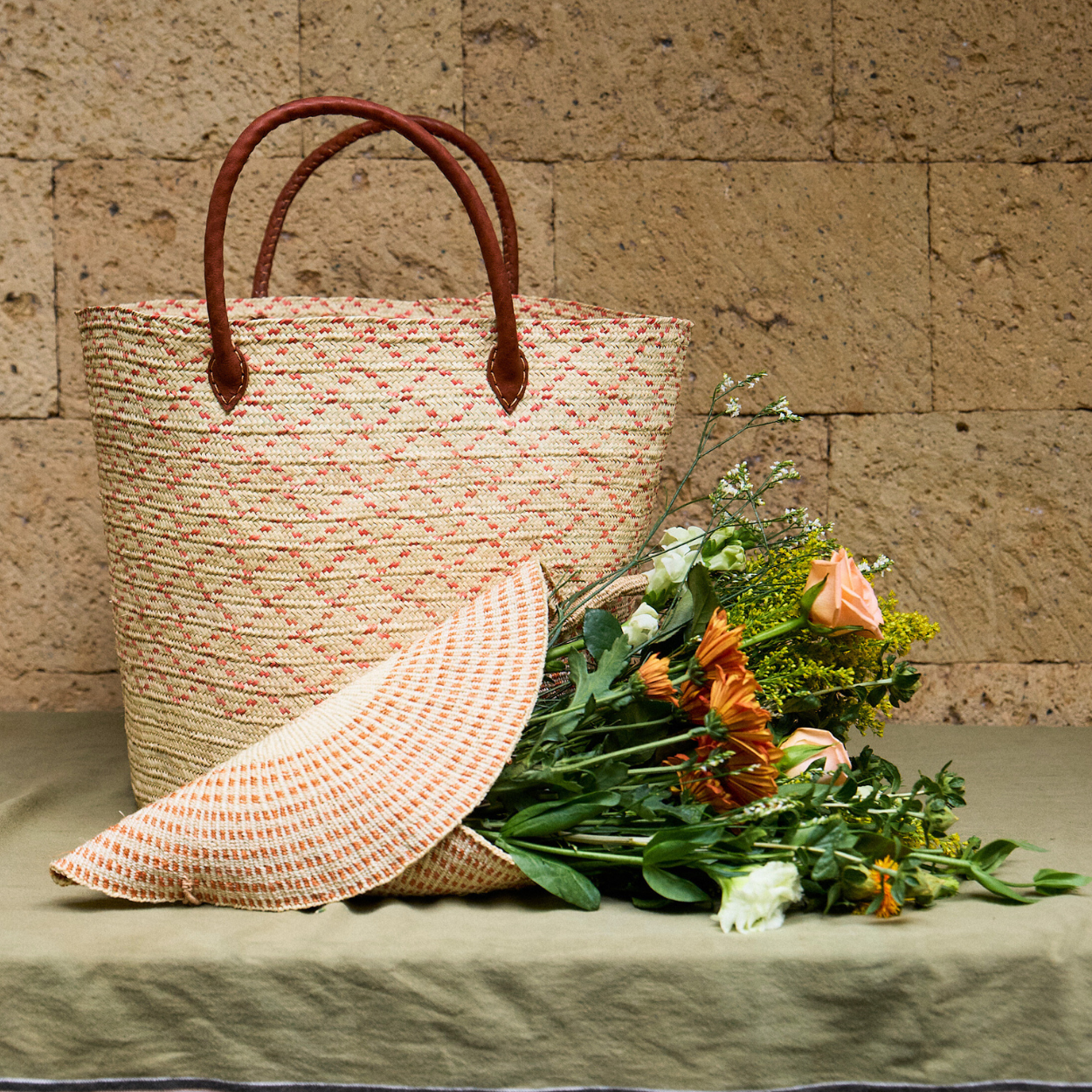
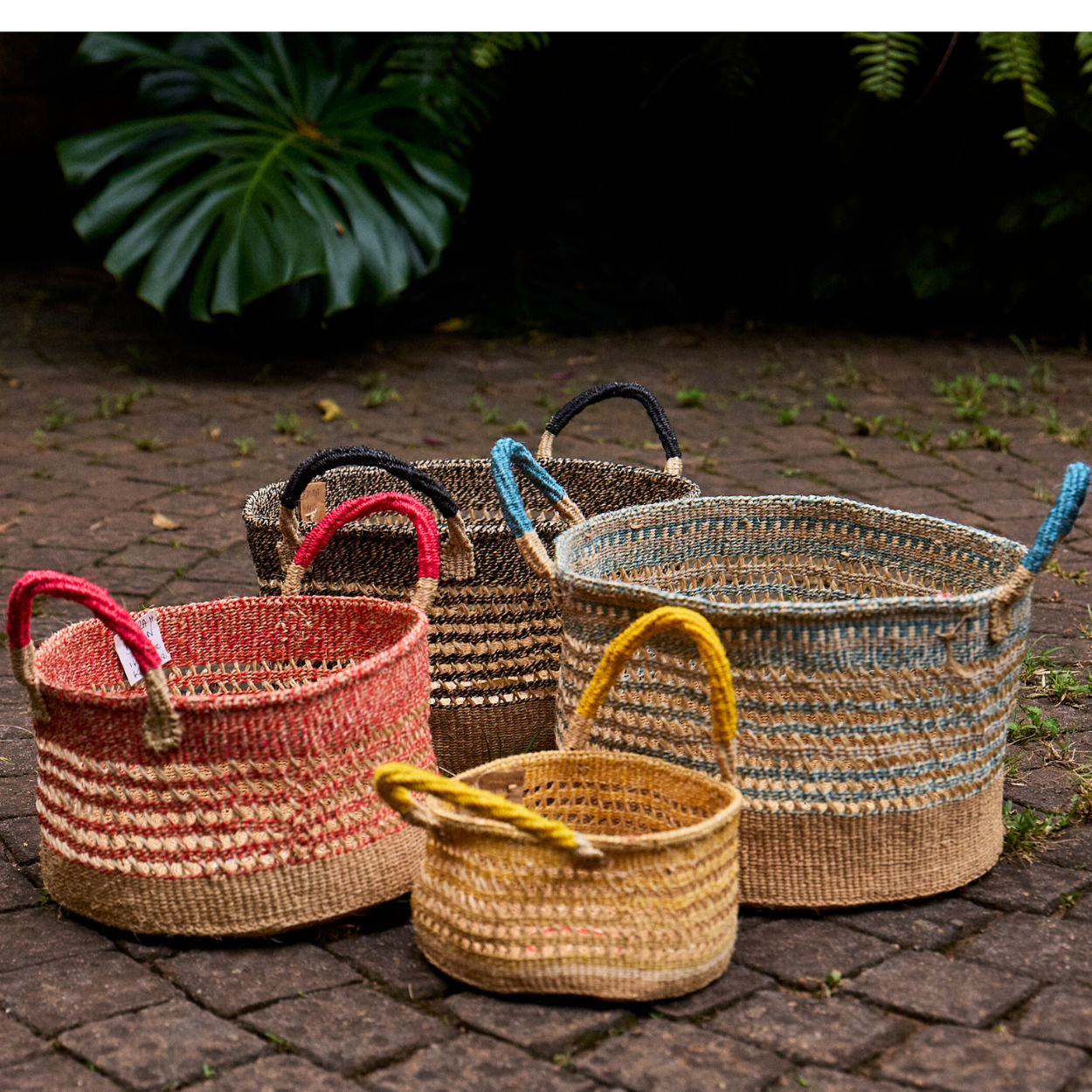
Patterns vary by community. Taita weavers often combine horizontal, vertical, and diagonal striping, while Kamba designs tend toward geometric forms such as triangles and diamonds. Natural tones drawn from traditional dye practices remain central, while access to dyed sisal allows for experimentation within consistent quality standards.
Today, Hadithi works with 38 women’s groups and supports approximately 1,800 female artisans. Families in this region are large, with an average household size of more than five people. As a result, the income earned through basket weaving reaches far beyond the individual maker. Hadithi estimates that this work supports the lives and livelihoods of roughly 10,000 people through extended family networks.
Between 2014 and 2024, more than $1 million has been paid directly to artisans for their baskets. Alongside production, Hadithi invests in training which strengthens both skills and group leadership. Women receive support in weaving quality and design, as well as in governance, record-keeping, and decision-making within their groups.Giovane Cardoso is a third-generation folk artist from Brejo Santo, in the Cariri region of southern Ceará, Brazil. He grew up surrounded by wood, tools, and stories, learning by watching his grandfather, Manoel Graciano, a respected sculptor whose work shaped the artistic life of the region. Giovane began carving as a child, making toys from scraps of wood, and later worked alongside his father, continuing a family tradition rooted in hands-on making.