Francisca Palafox Herrán | Tejedora de Sueños
Mexico | Ikoots Backstrap Loom Weaving
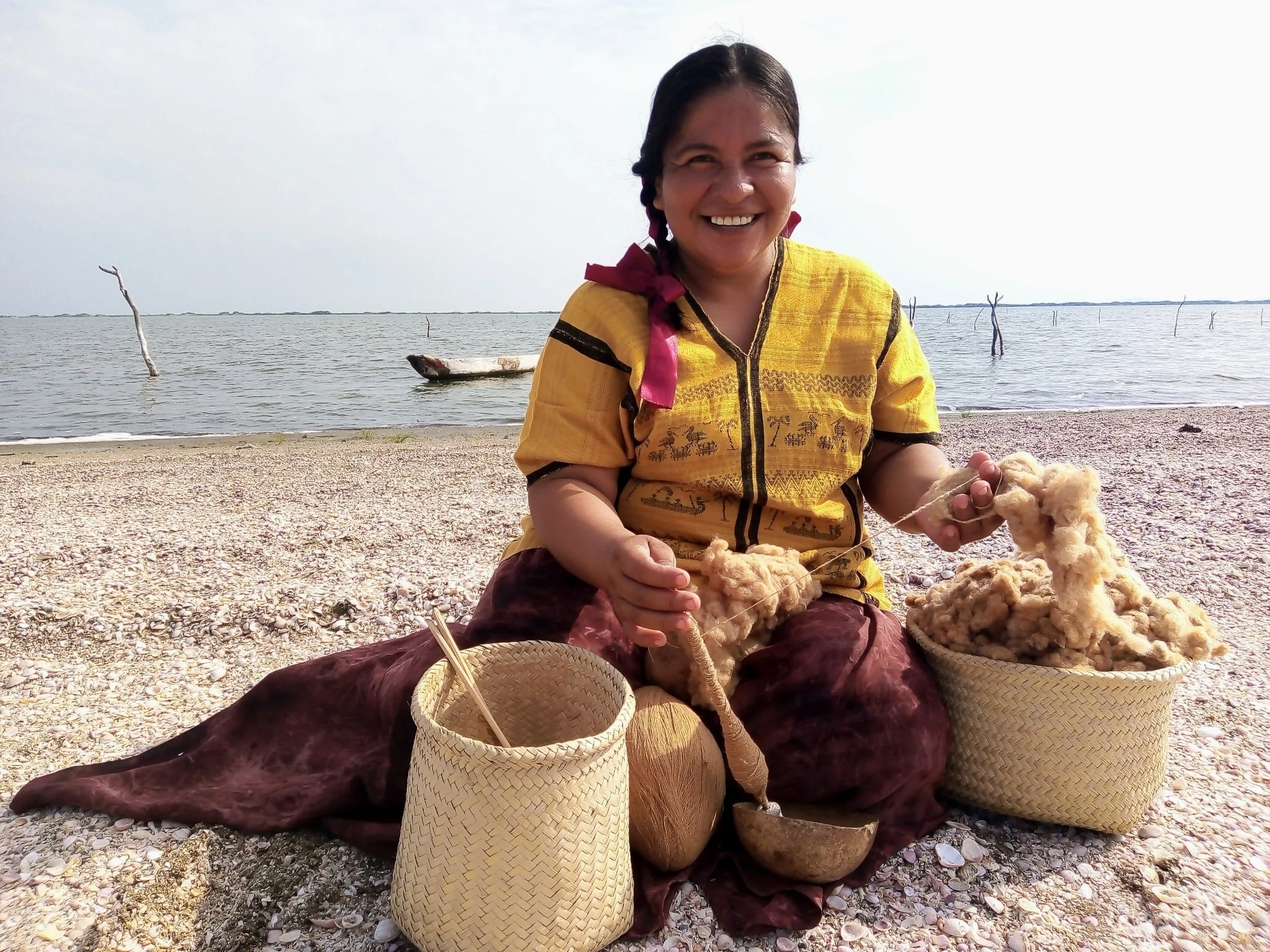
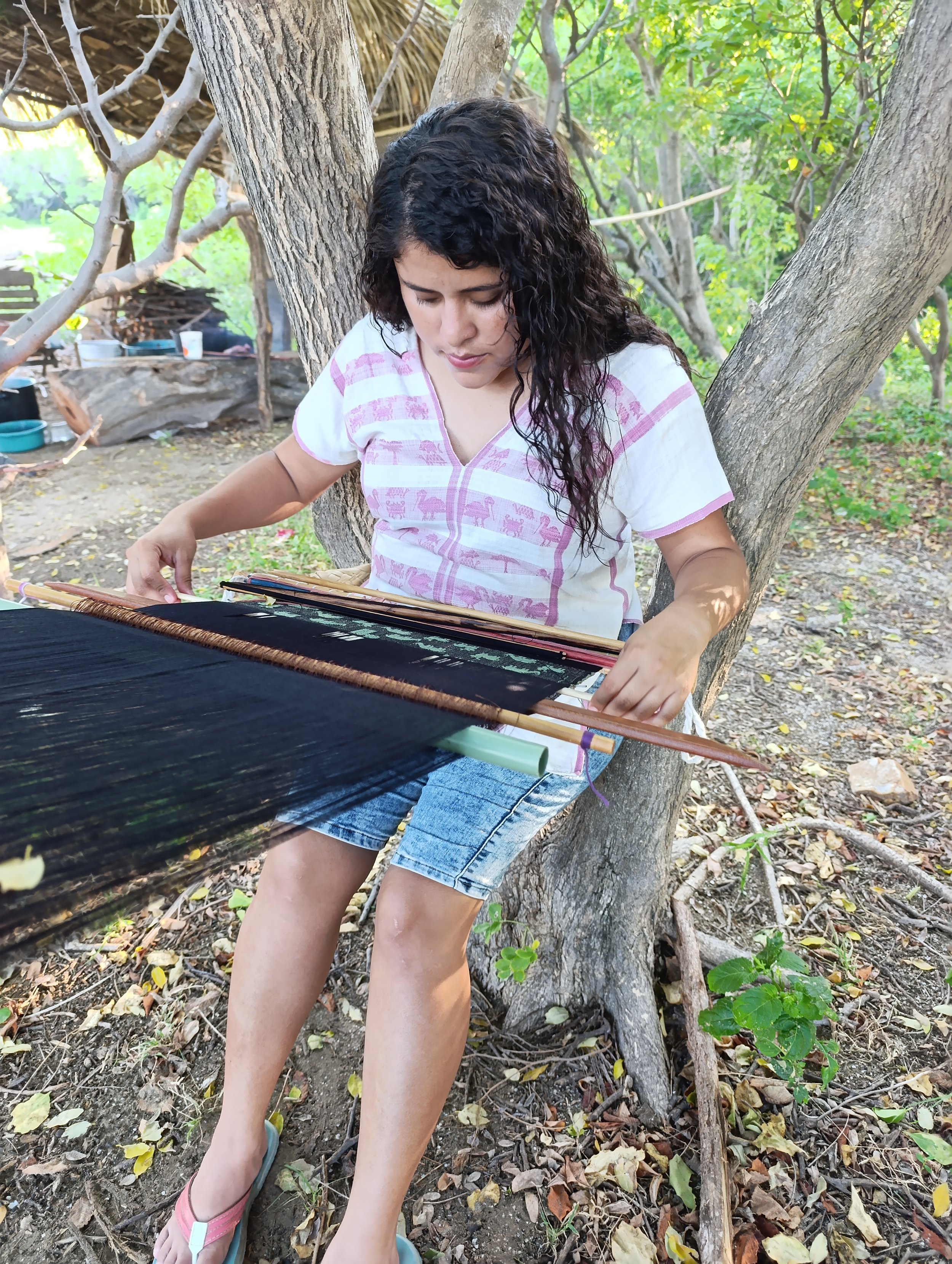
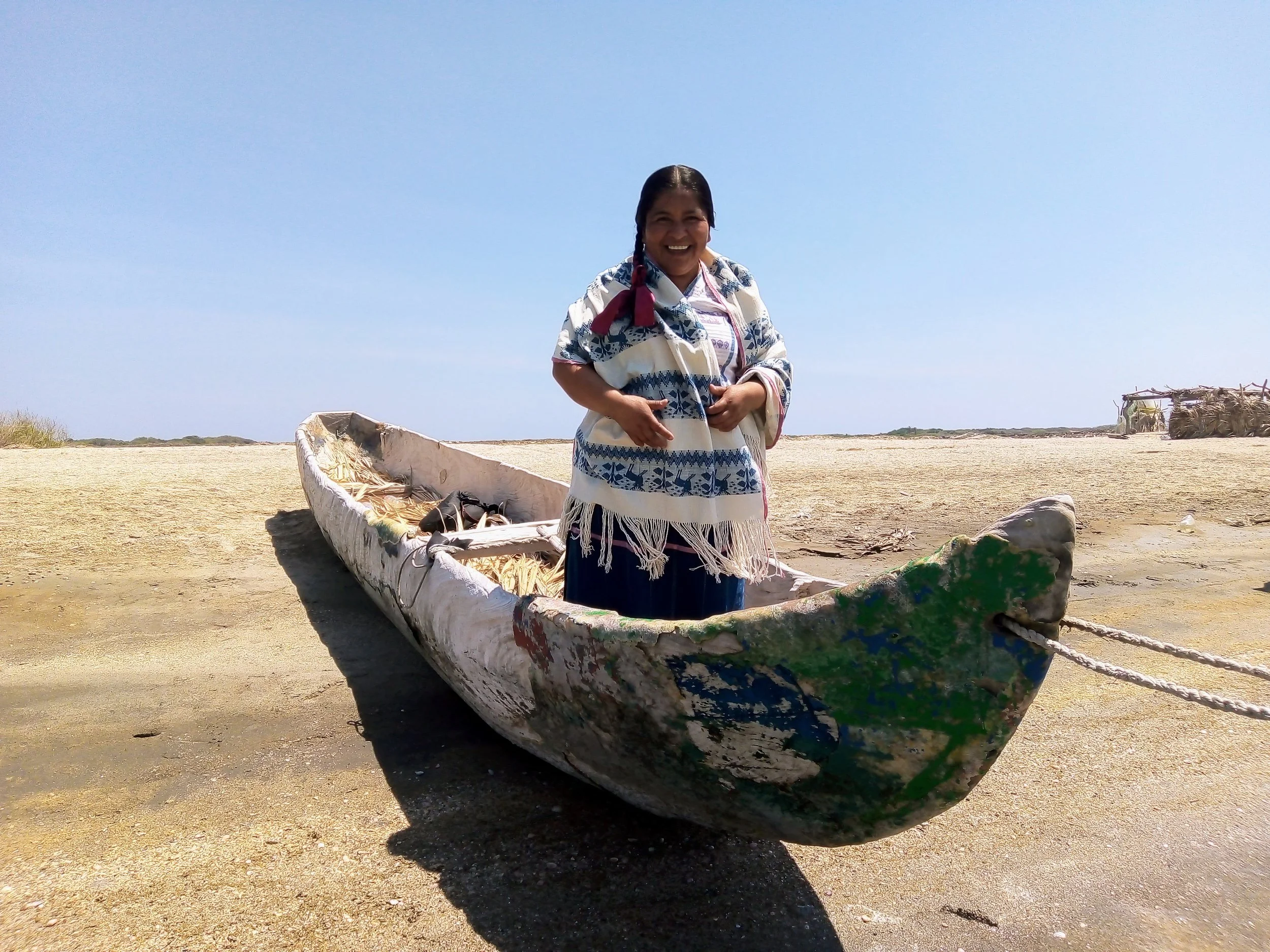
Francisca Palafox Herran is an Ikoots weaver from San Mateo del Mar, a coastal community on the Isthmus of Tehuantepec in Oaxaca. The Ikoots people, also known as Huaves, have a textile tradition shaped by life along the sea. While huipiles are woven across southern Mexico, Ikoots textiles are rare, and their designs reflect a coastal world distinct from better-known inland traditions.
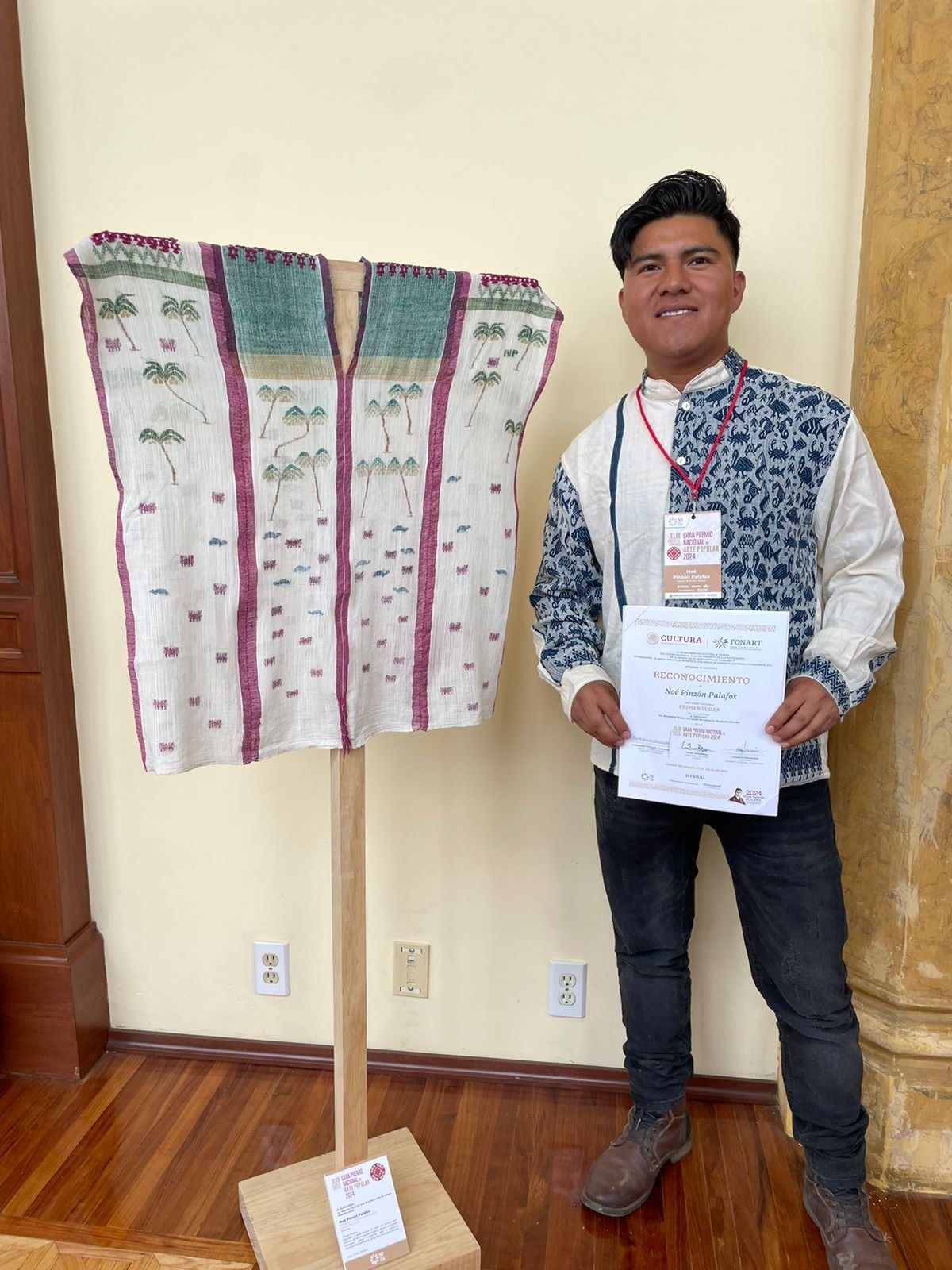
Francisca began weaving at the age of eight, drawn to the colors and patterns she saw around her. She learned to work on the backstrap loom by observing older weavers and studying available reference materials, gradually mastering the technique and developing her own visual language. As a young weaver, she began participating in local and national craft competitions and received early recognition for her work, including national awards from FONART.
As demand for her work grew, women from her community came to her seeking income opportunities. Francisca responded by offering work rather than charity. She began teaching others to weave, sharing materials, and supporting their learning. That group became Tejedora de Sueños, a cooperative of sixteen Ikoots women artisans who work independently from their homes while remaining connected through shared training and materials.
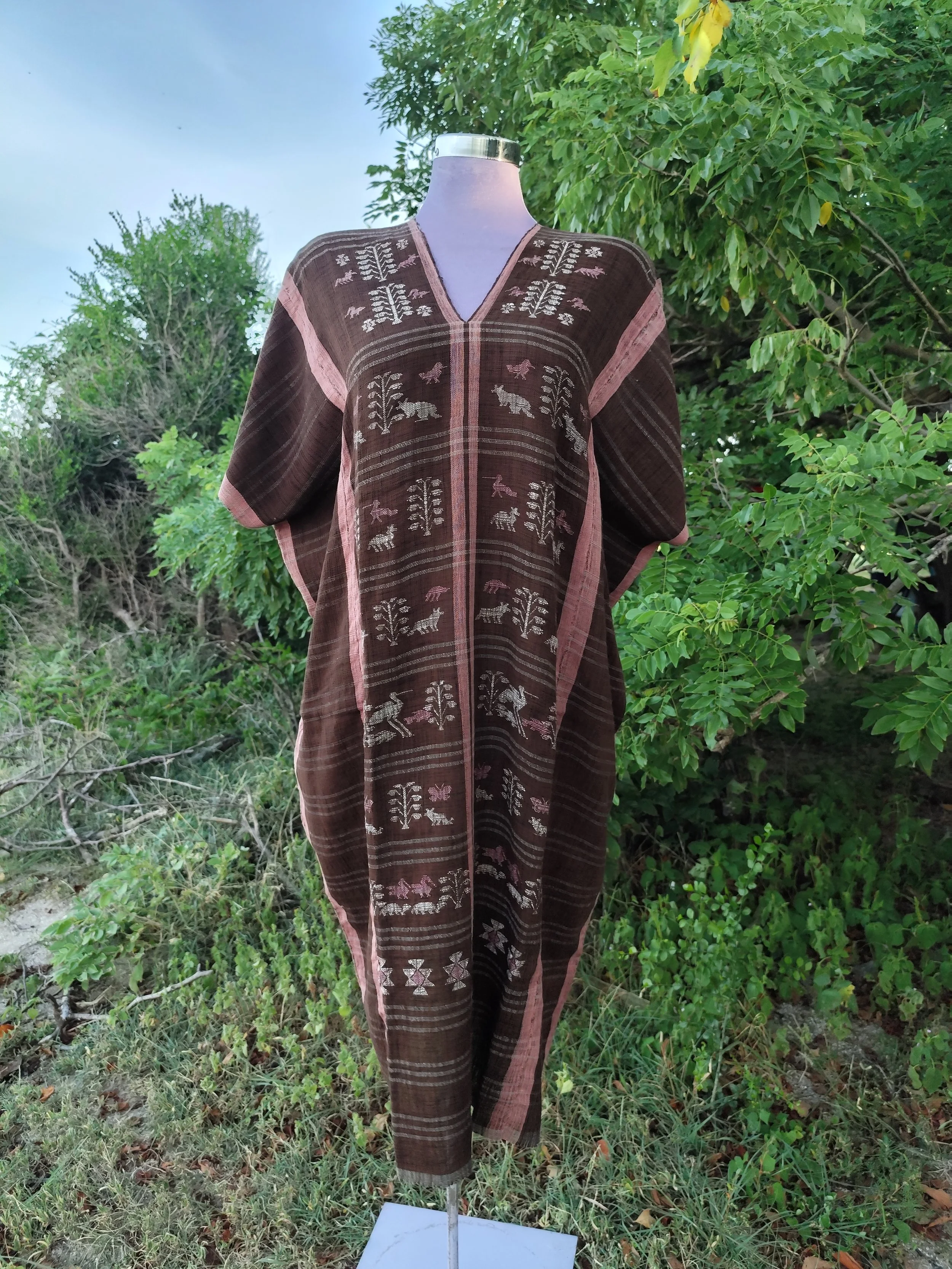
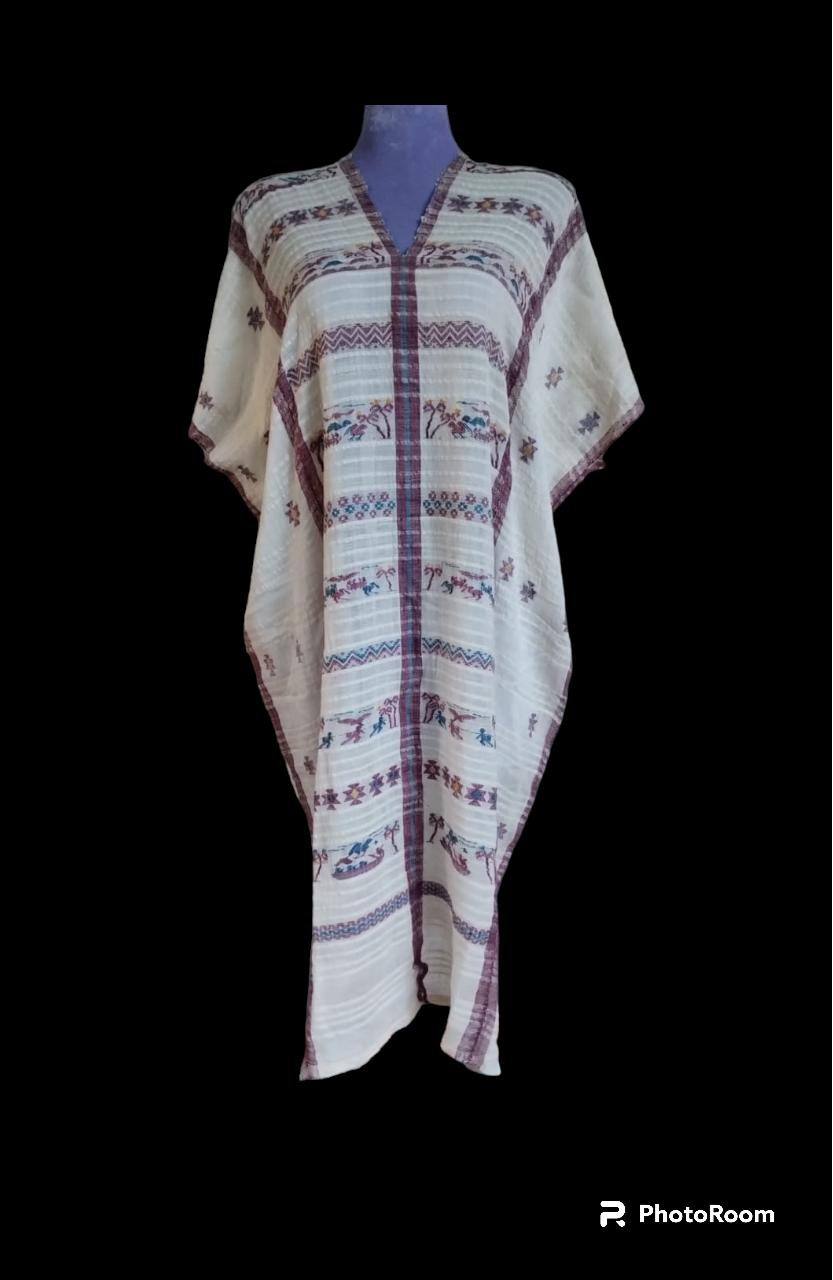
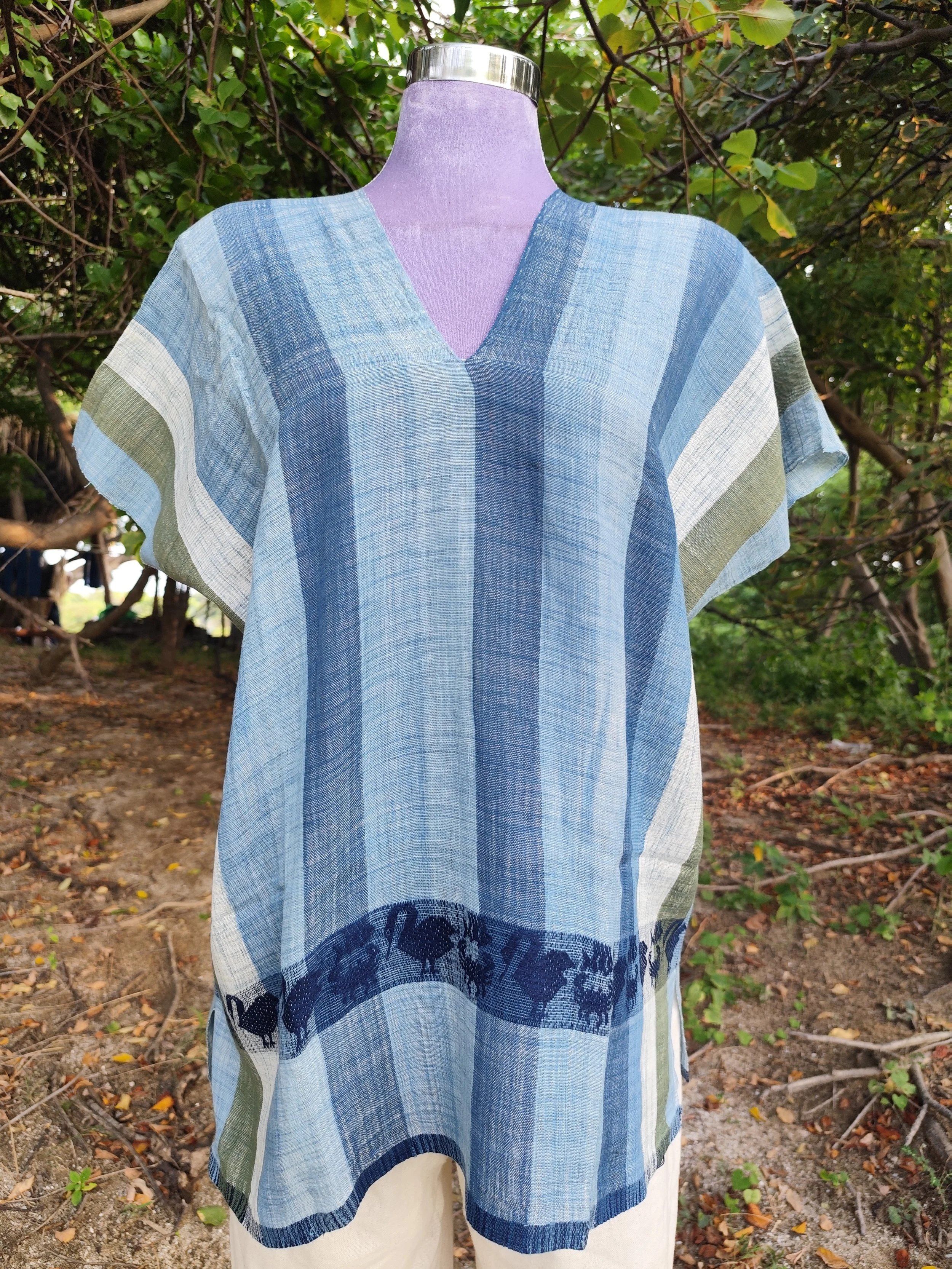
Each weaver creates her own designs. Francisca provides naturally dyed cotton and guidance on structure and color, but no two pieces are the same. The huipiles are woven on the backstrap loom using continuous, discontinuous, and double-faced techniques, with traditional four-selvage finishes. Motifs draw directly from daily life in San Mateo del Mar, including seabirds, fish, turtles, palm trees, fishermen in canoes, and women spinning and weaving.
Materials are sourced locally within Mexico. Cotton is spun by hand when possible, including coyuchi cotton, and dyed using natural materials such as indigo, cochineal, huizache, brazilwood, pomegranate peel, and mangrove root. Mangrove used for dyeing is purchased directly from nearby fishing communities.
Artisans are paid per finished piece, with an additional percentage once the work is sold, allowing each woman to work at her own pace while earning directly from her labor. Francisca also works alongside her children, who assist with weaving and photography.